Updated
We review these pages weekly and when laws change, but they aren't exhaustive and aren't legal advice. Laws change and we can make mistakes, so always check official sources before you buy, sell or travel.
Quick answer
- Product limits
- Under 0.3% total THC and THC analogs, at most 5 mg a serving and 150 mg a package (Utah Code 4-41-102)
- Minimum age
- 21 for any cannabinoid product with THC or a THC analog (Utah Code 4-41-105)
- Flower, vapes and food
- Smokable flower and hemp in conventional food or drink are barred; vapes are not cannabinoid products
- Registration
- Every cannabinoid product registered with the Department of Agriculture and Food; sellers hold a permit
- Kratom
- Pure leaf kratom only, sold to adults 21 and over (Utah Code 4-45)
What this means for products
- From December 11, 2026, products over the federal limit on THC per container leave this shop: 115 products today, mostly gummies and tinctures.
- This site lists no kratom products.
- This site lists no psilocybin products.
- In the shop here: tinctures, gummies and chews, capsules, topicals, pet products and mushroom products, deals first below.
On sale now
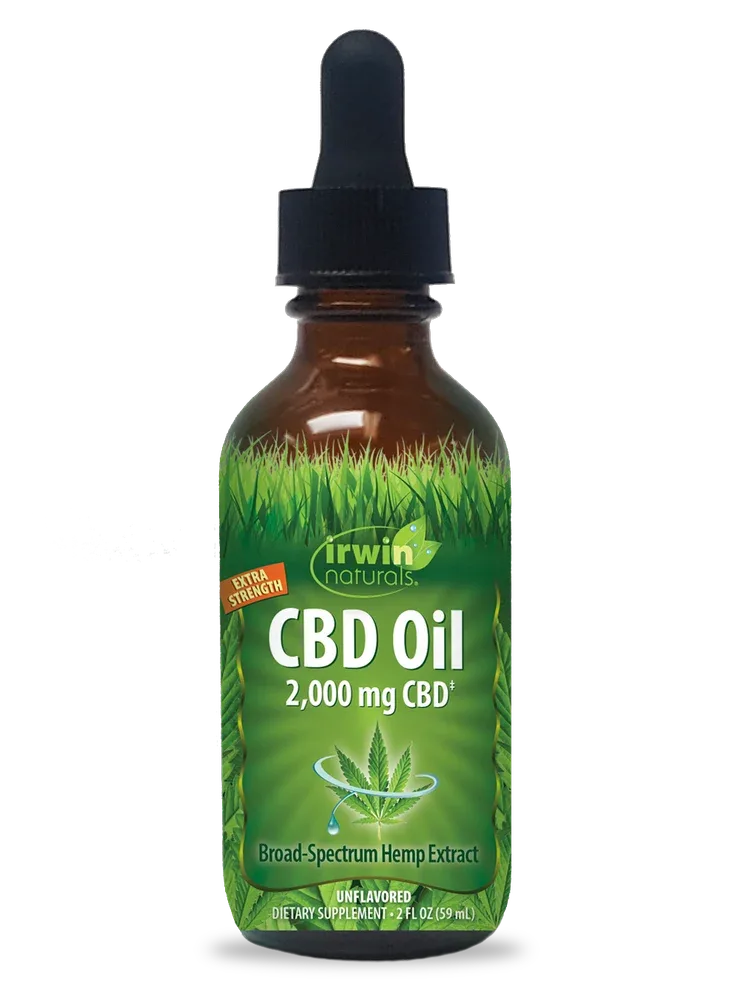
Irwin Naturals
CBD Oils 2000 mg: Unflavored
Tincture · 2,000 mg CBD
50% off
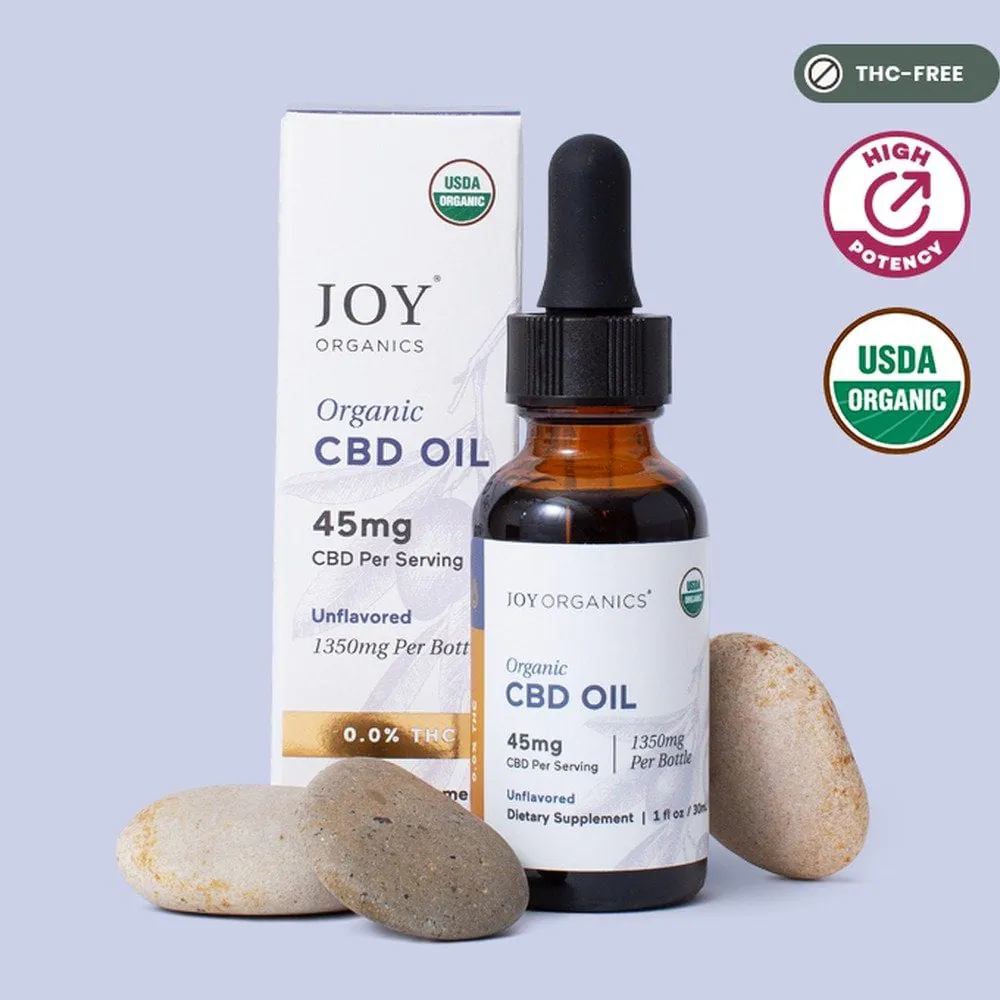
Sale price $34.50Buy at Irwin Naturals (opens brand site)was $68.99$0.017/mgJoy Organics
Organic THC-Free CBD Tincture (Unflavored)
Tincture · 1,350 mg CBD
30% off with code
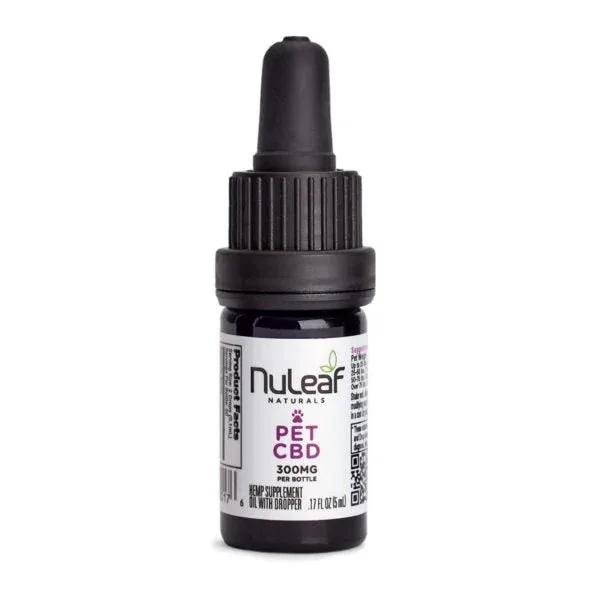
Price with code $48.97Buy at Joy Organics (opens brand site)was $69.95with code THCBAN30$0.036/mgNuLeaf Naturals
Pet CBD Oil, 300 mg
Tincture · 300 mg CBD
25% off
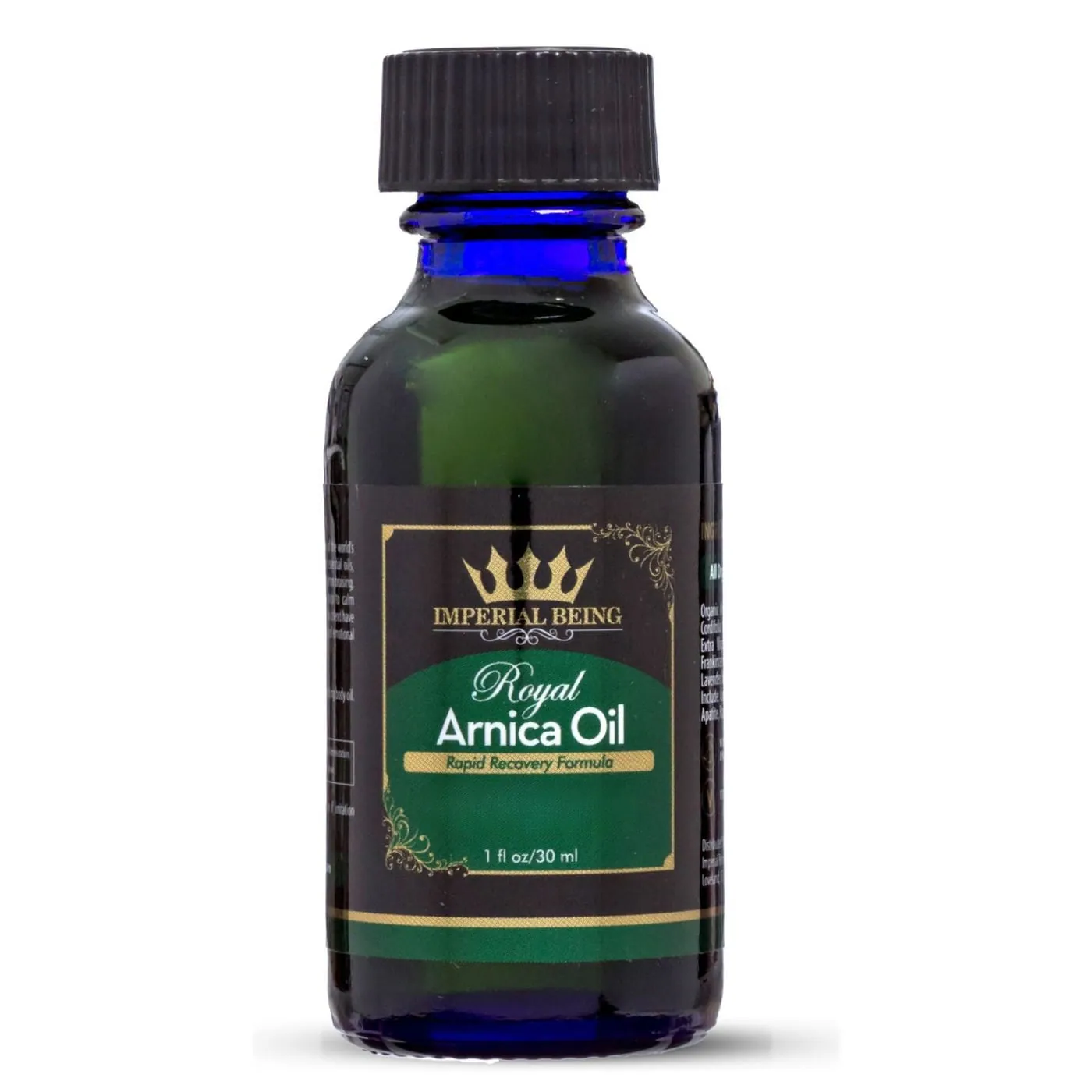
Sale price $21.20Buy at NuLeaf Naturals (opens brand site)was $28.27$0.071/mgImperial Being
Royal Arnica Oil, 1 fl oz
Oil · 1 fl oz
15% off with code
Price with code $21.24Buy on Amazon (opens in a new tab)was $24.99with code CWM15OFF$21.24/ozMedRoots
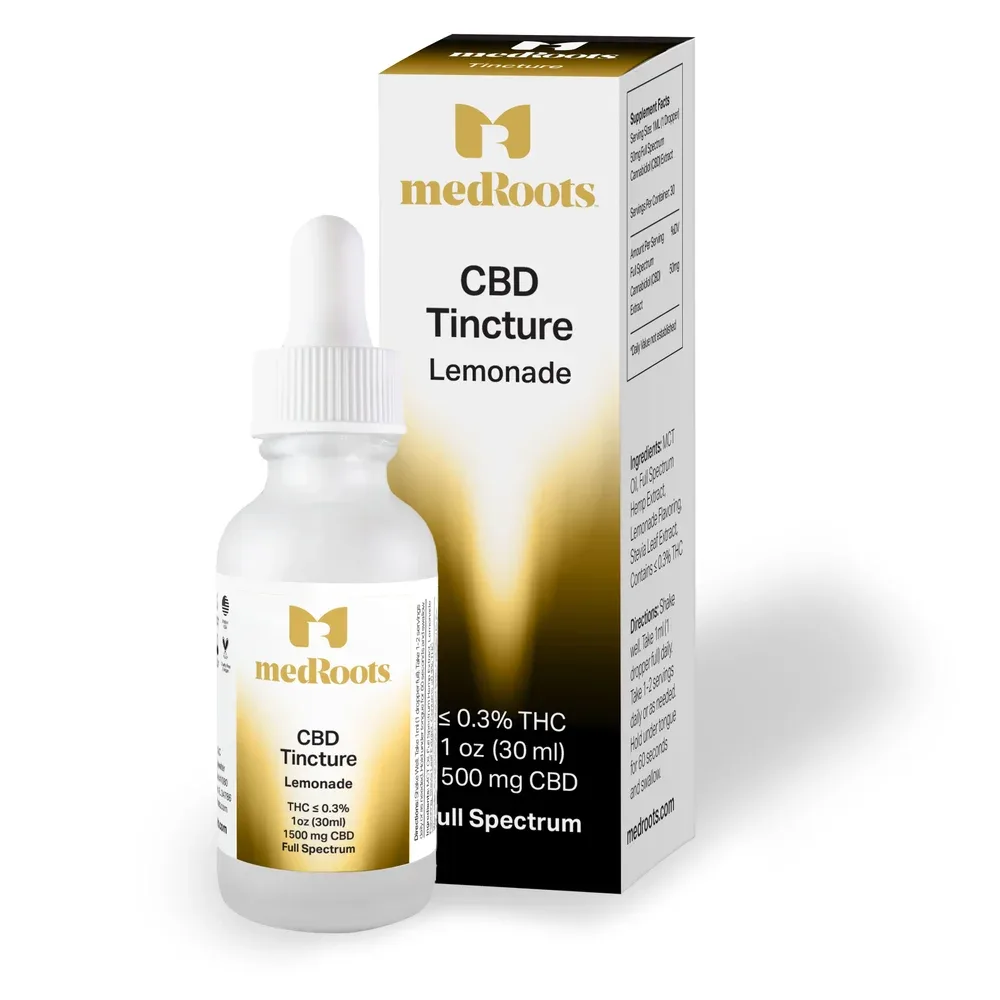
Lemonade Full Spectrum CBD Tincture, 1,500 mg
Tincture · 1,500 mg CBD
20% off your first order at MedRoots
$59.95$0.040/mgBuy at MedRoots (opens brand site)Psyched Wellness
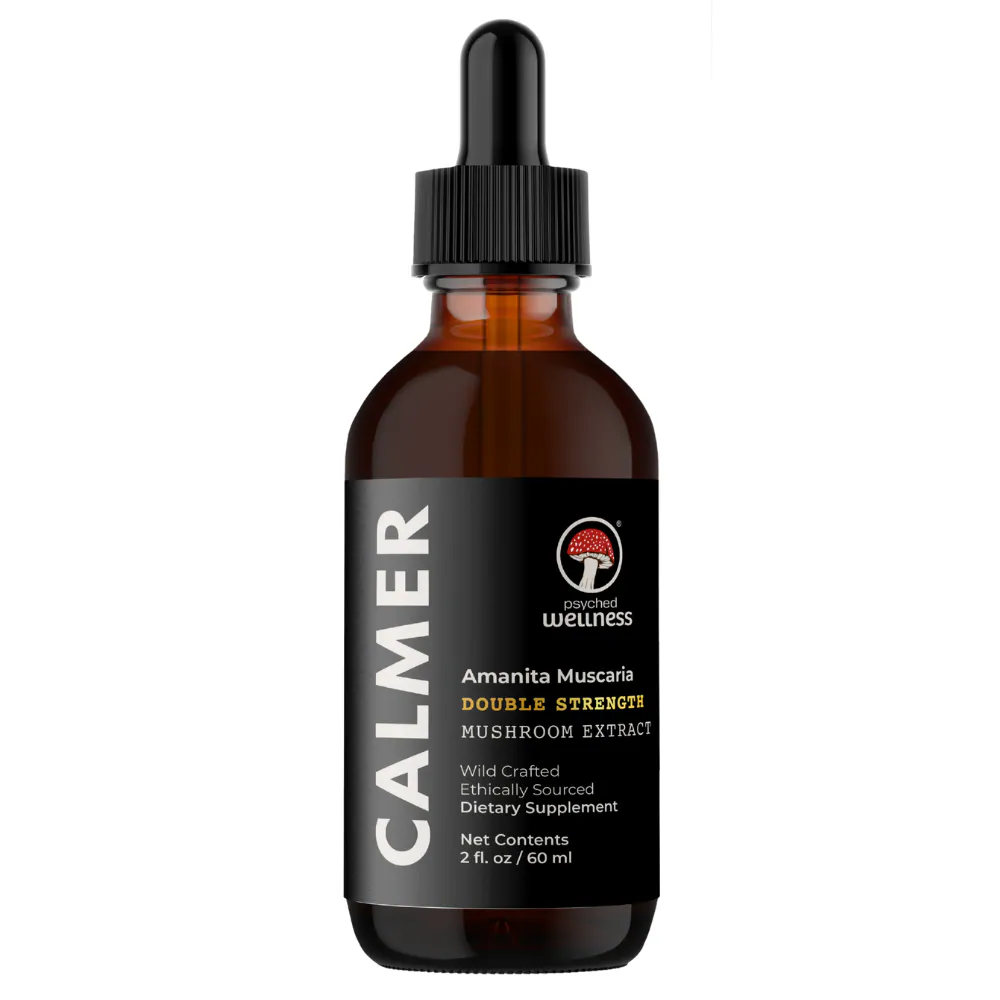
Calmer Amanita Muscaria Extract (Double Strength)
Tincture · 60 ml
$84.99$1.42/mlBuy at Psyched Wellness (opens brand site)
The law in Utah
Utah regulates hemp products through its Hemp and Cannabinoid Act, chapter 41 of Title 4, run by the Department of Agriculture and Food. The plant is industrial hemp when it holds less than 0.3 percent THC by dry weight, but anything sold to consumers is a cannabinoid product, defined in section 4-41-102 by four limits at once: under 0.3 percent total THC and THC analogs combined, THC and analogs no more than 10 percent of all cannabinoids, and no more than 5 mg of THC and analogs a serving and 150 mg a package.
No cannabinoid product may be sold in Utah unless it is registered with the department under section 4-41-104, for one year at a time, after a sample goes to the state laboratory for a cannabinoid profile. Section 4-41-402 says the sale or use of a cannabinoid product is otherwise prohibited, and every advertisement must tell consumers the product is hemp or CBD, not cannabis or medical cannabis.
- H.B. 227 takes effect, barring the sale of cannabinoid products with THC or a THC analog to anyone under 21.
- H.B. 54 takes effect, banning THCP, THC acetate and HHC in cannabinoid products.
- H.B. 389 takes effect: hemp retailers must check ID. Kratom sales are limited to pure leaf kratom.
- H.B. 265 takes effect, leaving vapes out of the cannabinoid product definition and making their sale a misdemeanor.
- The federal limit of 0.4 mg total THC per container begins.
THCA and delta-8
Utah's statute writes THCA into the math. Total THC means delta-9 THC plus THCA times 0.877, and the 0.3 percent, 5 mg and 150 mg limits are measured on that total. Section 4-41-105 also makes it unlawful to sell or use a cannabinoid product that is smokable flower, and handling hemp flower or leaf material requires a department license or permit.
No Utah statute names delta-8. A THC analog is any substance structurally or pharmacologically similar to delta-9 THC, and the statute lists ten cannabinoids, including CBD, CBG, CBN and THCV, that are not analogs. The department's chart says every other detectable cannabinoid is an analog and counts toward the THC limits. Since May 7, 2025, products containing THCP, delta-8 or delta-9 THC acetate, or HHC are noncompliant material, and artificially derived cannabinoids are listed as adulterants.
- CBD Softgels Extra StrengthNeurogan$0.013/mg
- CBD Isolate Gummies, 150mg, LemonLazarus Naturals$0.013/mg
- Multicannabinoid OilNuLeaf Naturals$0.028/mg
- CBD Oils 2000 mg: UnflavoredIrwin Naturals$0.034/mg
- CBD Gummies with Melatonin for SleepCBDfx$0.037/mg
- Lemonade Full Spectrum CBD Tincture, 1,500 mgMedRoots$0.040/mg
Age, licenses and registration
The 21 rule came with H.B. 227 in 2023: no one may knowingly sell or give a cannabinoid product containing THC or a THC analog to anyone under 21 in the course of business. Since May 6, 2026, section 4-41-103.3 requires a retailer to check the buyer's ID, and the same bill, H.B. 389, repealed the video surveillance rule that took effect at the start of 2026.
A retailer needs an industrial hemp retailer permit for each location, and since May 6, 2026 also a specialized product retailer license under section 4-45a-102, $600 a year for a seller of cannabinoid or kratom products, with a $50,000 civil fine for selling without one. From July 1, 2026, H.B. 265 leaves electronic cigarettes out of the cannabinoid product definition and makes selling a cannabinoid vape a class C misdemeanor for a first offense.
CBD in food
Section 4-41-105 bars selling or using a cannabinoid product added to a conventional food or beverage, or one made or marketed to appeal to children. The department's guidance names a CBD soda as an example of what is barred, while gummies and tinctures may be registered if they meet its form rules. A serving must be a whole number of discrete units, except for products in an oil suspension.
Kratom, kava, amanita and spores
Utah's Kratom Regulation Act, chapter 45 of Title 4, allows only pure leaf kratom since May 6, 2026: identifiable plant matter, or plant matter in an inert capsule, with no extract and no more than 0.4 percent 7-hydroxymitragynine in its total alkaloids. The label must state the mitragynine and 7-hydroxymitragynine content, sales are limited to adults 21 and over, and a kratom retailer must register with the department and hold a retail tobacco specialty business license.
Outside that exemption, 7-hydroxymitragynine and mitragynine pseudoindoxyl are Schedule I under section 58-37-108. We found no Utah statute naming kava, amanita muscaria or its compounds, or mushroom spores. Psilocybin and psilocyn are Schedule I.
The federal change on December 11
From December 11, 2026, the federal definition counts total THC including THCA and limits a finished hemp-derived cannabinoid product to 0.4 mg per container. Read the federal page and What's changing on December 11.
Common questions
Is THCA legal in Utah?
Utah counts THCA in total THC, using the formula delta-9 THC plus THCA times 0.877, and a cannabinoid product must stay under 0.3 percent total THC and THC analogs combined, with no more than 5 mg a serving and 150 mg a package. Selling or using a cannabinoid product that is smokable flower is unlawful under section 4-41-105, so THCA flower cannot be sold as a hemp product.
Is CBD legal in Utah?
Yes, when the product is registered with the Department of Agriculture and Food. Section 4-41-402 allows the sale and use of products on the department's list of registered cannabinoid products, and lets a person use CBD bought outside Utah if its contents do not break the state's drug laws.
Is delta-8 legal in Utah?
No Utah statute names delta-8. The department's chart says any cannabinoid not on the statute's exempt list is a THC analog, so it counts with delta-9 THC toward the 0.3 percent, 5 mg and 150 mg limits, and products containing it may be sold only to adults 21 and over.
Is kratom legal in Utah?
Only pure leaf kratom, with no extract and no more than 0.4 percent 7-hydroxymitragynine in its total alkaloids, may be sold, and only to adults 21 and over. 7-hydroxymitragynine is otherwise a Schedule I substance, and kratom retailers must register with the department.
Do Utah hemp shops need a license?
Yes. A retailer of cannabinoid products needs an industrial hemp retailer permit from the Department of Agriculture and Food, and since May 6, 2026 also a specialized product retailer license, which costs $600 a year for a seller of cannabinoid or kratom products.
Sources
- Utah Code 4-41-102, definitions (effective July 1, 2026), Utah State Legislature
- Utah Code 4-41-103.3, industrial hemp retailer permit, Utah State Legislature
- Utah Code 4-41-104, product registration, Utah State Legislature
- Utah Code 4-41-105, unlawful acts, Utah State Legislature
- Utah Code 4-41-402, cannabinoid sales and use authorized, Utah State Legislature
- Utah Code 4-45-102, kratom definitions, Utah State Legislature
- Utah Code 4-45-104, kratom processor and retailer requirements, Utah State Legislature
- Utah Code 4-45-105, kratom sales to minors, Utah State Legislature
- Utah Code 4-45a-102, specialized product retailer license, Utah State Legislature
- Utah Code 58-37-108, schedules of controlled substances, Utah State Legislature
- Utah Code 58-37-406, exemption for 7-hydroxymitragynine in kratom products, Utah State Legislature
- H.B. 227, Hemp Amendments, 2023 General Session, enrolled copy, Utah State Legislature
- H.B. 54, Cannabinoid Amendments, 2025 General Session, enrolled copy, Utah State Legislature
- H.B. 389, Cannabis Amendments, 2026 General Session, enrolled copy, Utah State Legislature
- H.B. 265, Non-nicotine Inhalation Product Amendments, 2026 General Session, enrolled copy, Utah State Legislature
- Industrial hemp frequently asked questions, Utah Department of Agriculture and Food
- Cannabinoids allowed in registered products (August 25, 2025), Utah Department of Agriculture and Food
Each source was last read on November 11, 2026. Laws and rules change; check the source for the current text.