Updated
We review these pages weekly and when laws change, but they aren't exhaustive and aren't legal advice. Laws change and we can make mistakes, so always check official sources before you buy, sell or travel.
Quick answer
- THC limit
- 1.75 mg THC a serving and at least 15 parts CBD to 1 part THC (C.R.S. 25-5-427)
- Minimum age
- 21 for hemp products over 1.25 mg THC a serving or under a 20 to 1 CBD ratio; tinctures, cosmetics and THC-free products excepted
- Who regulates
- The Department of Public Health and Environment registers hemp product makers and warehouses: $100 to apply plus $1,500 a year
- Delta-8
- Classed as intoxicating; may not be made or distributed in Colorado as a hemp product
- Kratom
- 21 and older; 7-OH capped at 2 percent of the alkaloids, and no vapes or candy forms (C.R.S. 6-1-740)
What this means for products
- From December 11, 2026, products over the federal limit on THC per container leave this shop: 115 products today, mostly gummies and tinctures.
- This site lists no kratom products.
- This site lists no psilocybin products.
- In the shop here: tinctures, gummies and chews, capsules, topicals, pet products and mushroom products, deals first below.
On sale now
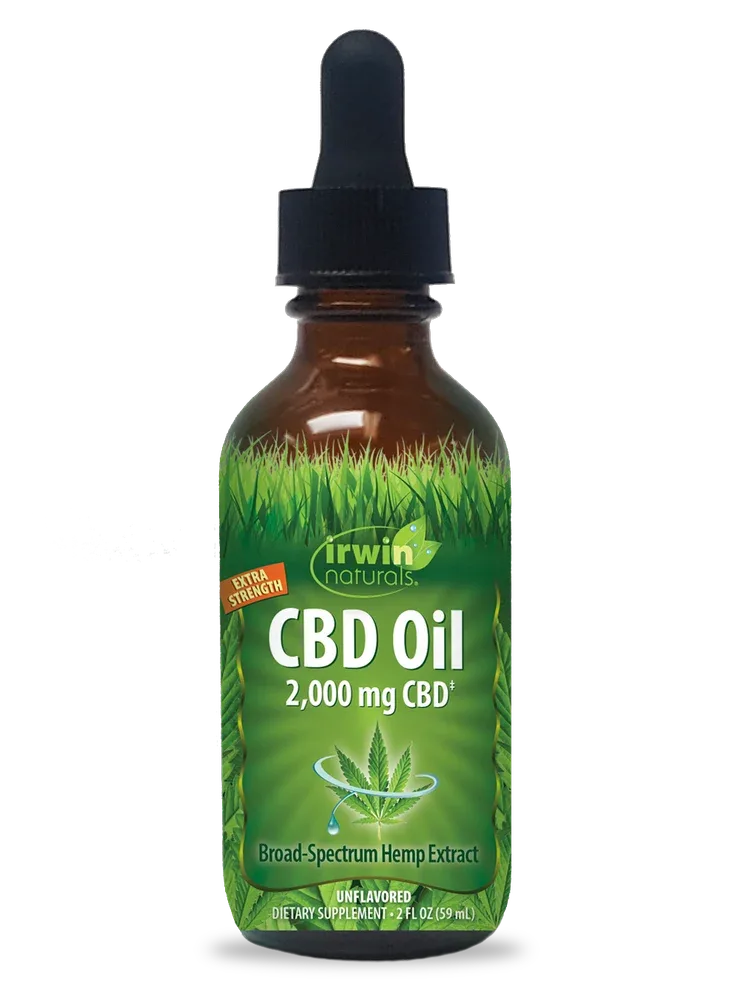
Irwin Naturals
CBD Oils 2000 mg: Unflavored
Tincture · 2,000 mg CBD
50% off
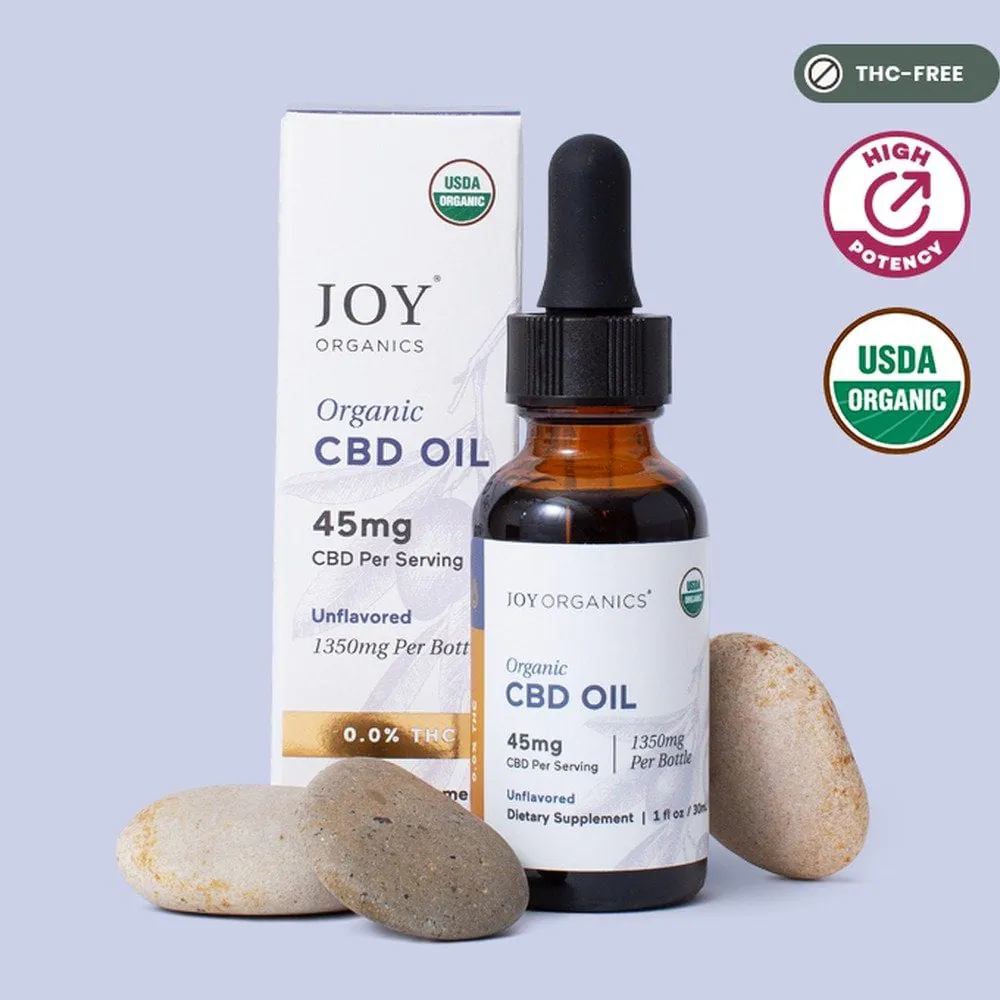
Sale price $34.50Buy at Irwin Naturals (opens brand site)was $68.99$0.017/mgJoy Organics
Organic THC-Free CBD Tincture (Unflavored)
Tincture · 1,350 mg CBD
30% off with code
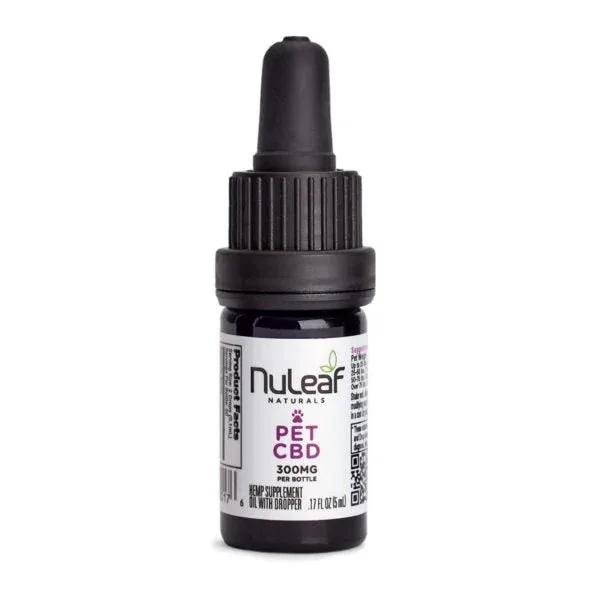
Price with code $48.97Buy at Joy Organics (opens brand site)was $69.95with code THCBAN30$0.036/mgNuLeaf Naturals
Pet CBD Oil, 300 mg
Tincture · 300 mg CBD
25% off
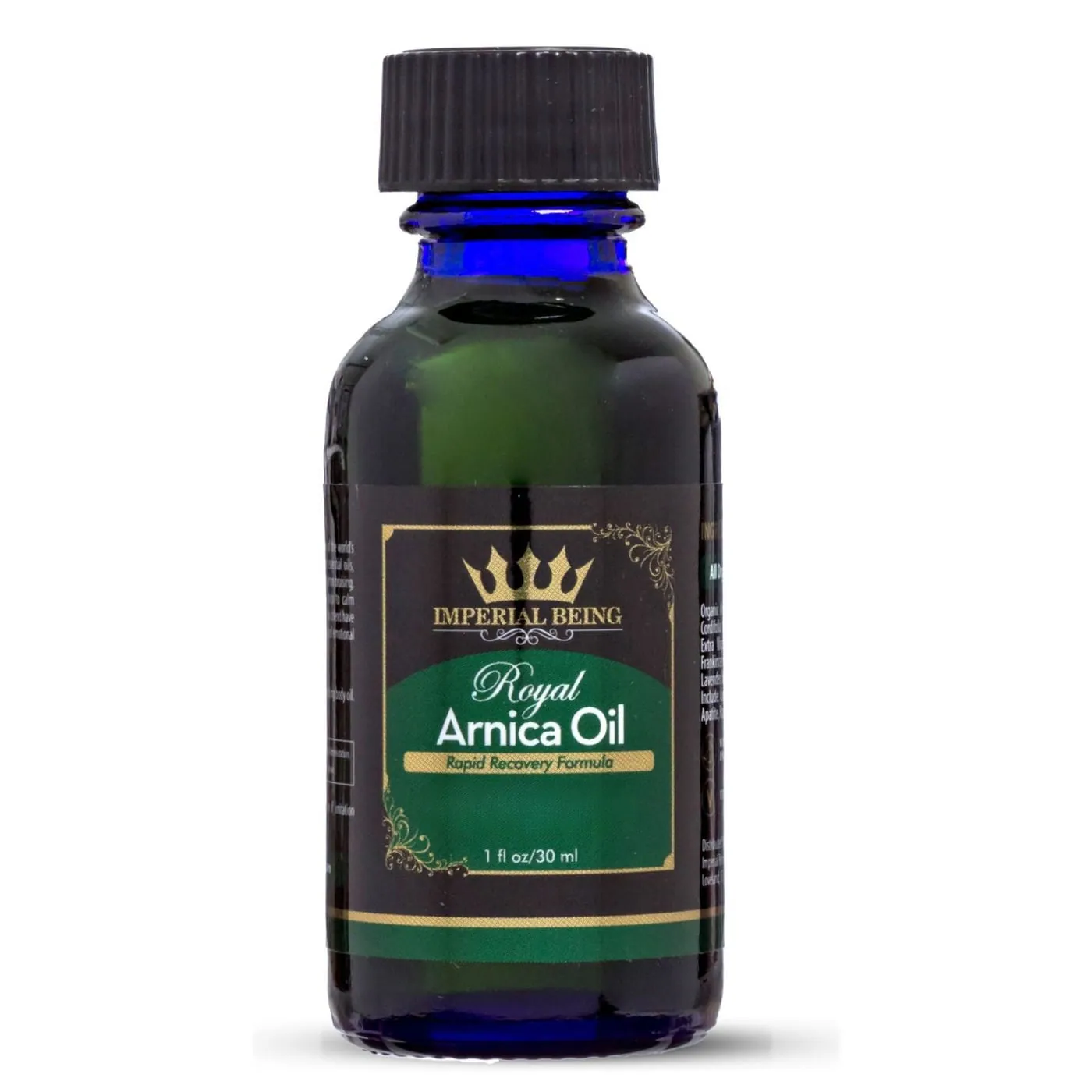
Sale price $21.20Buy at NuLeaf Naturals (opens brand site)was $28.27$0.071/mgImperial Being
Royal Arnica Oil, 1 fl oz
Oil · 1 fl oz
15% off with code
Price with code $21.24Buy on Amazon (opens in a new tab)was $24.99with code CWM15OFF$21.24/ozMedRoots
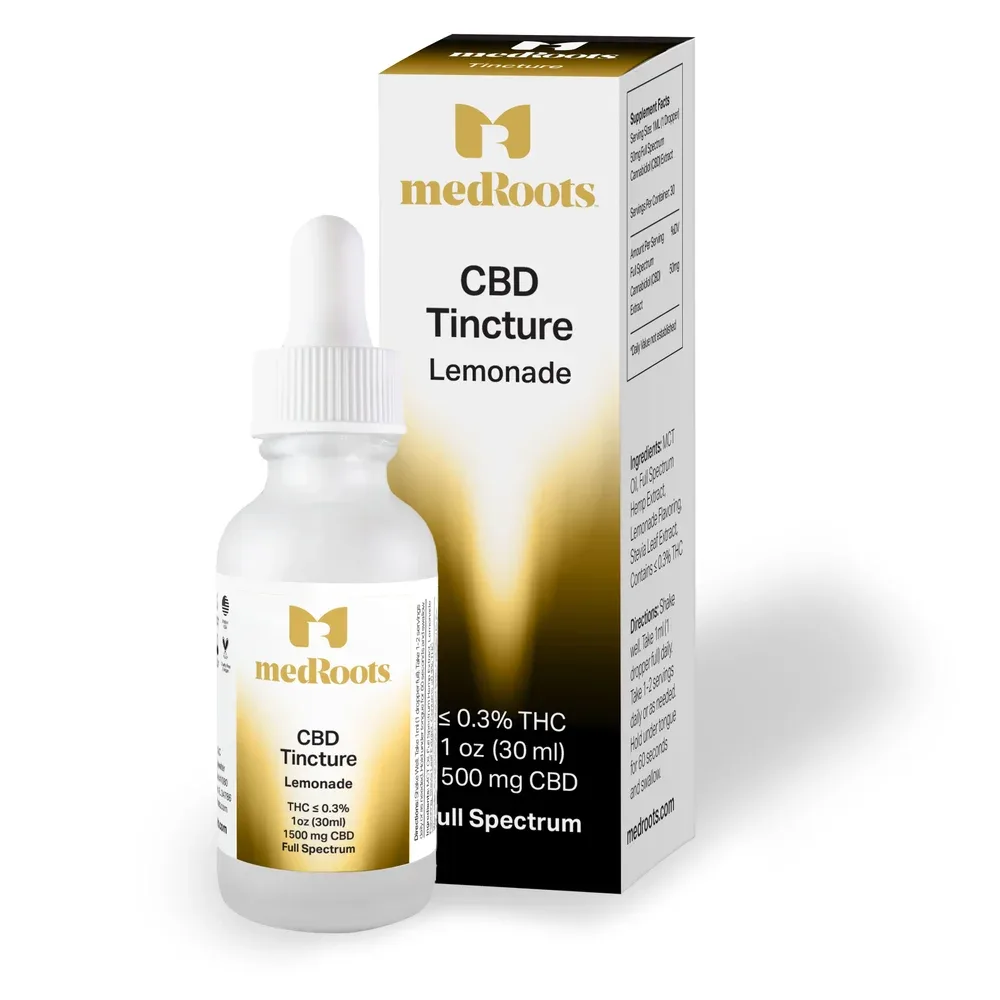
Lemonade Full Spectrum CBD Tincture, 1,500 mg
Tincture · 1,500 mg CBD
20% off your first order at MedRoots
$59.95$0.040/mgBuy at MedRoots (opens brand site)Psyched Wellness
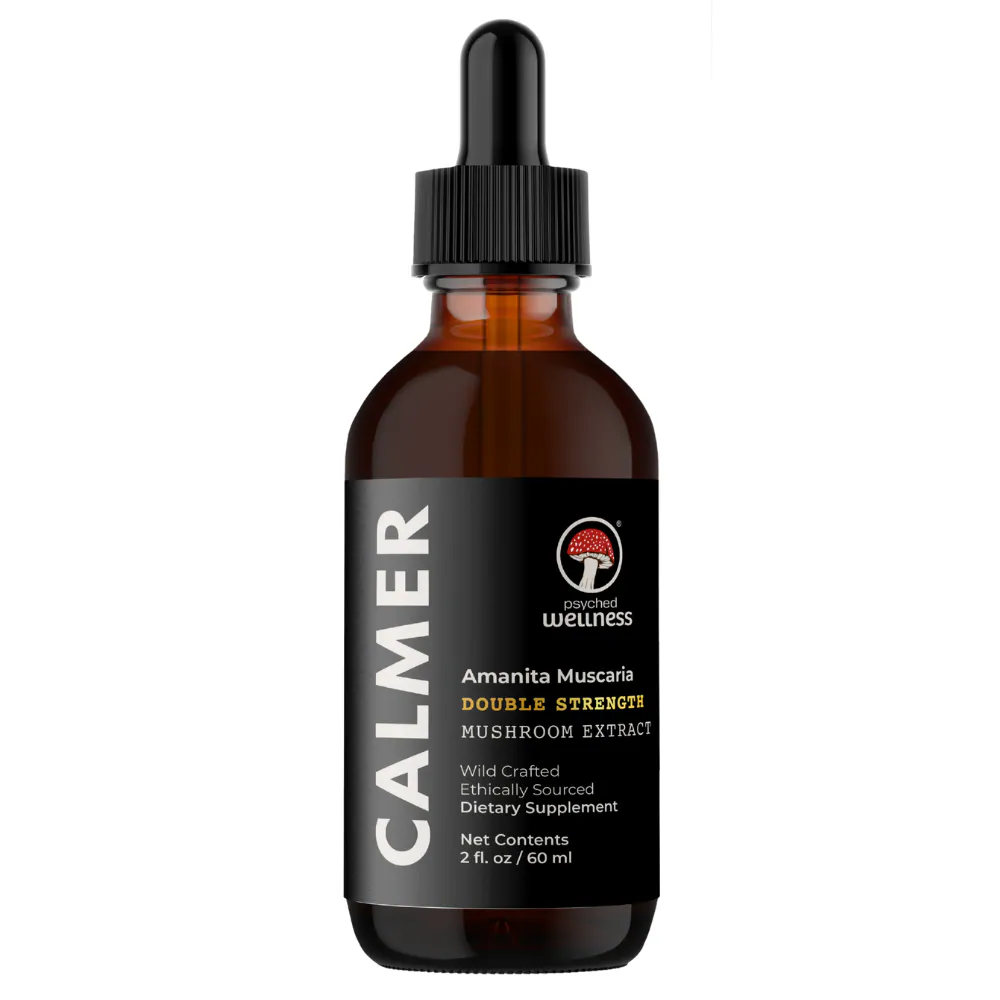
Calmer Amanita Muscaria Extract (Double Strength)
Tincture · 60 ml
$84.99$1.42/mlBuy at Psyched Wellness (opens brand site)
The law in Colorado
Colorado regulates hemp products by the serving rather than by percentage. Under section 25-5-427 of the Colorado Revised Statutes, added by Senate Bill 23-271 and signed on June 7, 2023, a hemp product is a cosmetic, dietary supplement, food, food additive or herb made from hemp that holds no more than 1.75 mg of THC a serving and at least 15 parts CBD to 1 part THC. The plant itself is still defined by percentage: section 35-61-101 calls Cannabis sativa L. hemp when its delta-9 THC concentration is no more than 0.3 percent on a dry weight basis.
The same law sorts every hemp-derived compound into three classes: nonintoxicating cannabinoids (CBD, CBG, CBN, CBC, THCV and the like, plus full and broad spectrum hemp extract within the limits), potentially intoxicating cannabinoids (novel cannabinoids and those that are not phytocannabinoids) and intoxicating cannabinoids. The Department of Public Health and Environment registers and inspects hemp product makers, while the Department of Agriculture oversees only the growing of hemp.
- SB 22-120 takes effect, barring kratom sales to anyone under 21.
- The Governor signs SB 23-271, which sorts cannabinoids into three classes and sets the 1.75 mg a serving limit; it takes effect that day.
- Section 18-18-434, from SB 23-290, takes effect, setting the personal-use rules for psilocybin and other natural medicine.
- The health department's hemp product rules, 6 CCR 1010-24, take effect.
- The Governor signs SB 25-072, the Daniel Bregger Act, setting kratom label rules and the 2 percent 7-OH cap.
- The Senate Finance Committee postpones SB 26-164, a hemp THC drink bill, indefinitely.
- The federal limit of 0.4 mg total THC per container begins.
THCA, delta-8 and the intoxicating list
Section 44-10-209, which section 25-5-427 points to for its definition, defines THC to include a carboxylic acid of THC, and the health department's rules, 6 CCR 1010-24, measure total THC as THCA times 0.877 plus THC. So THCA counts toward Colorado's per-serving limit, and the Department of Agriculture says it tests hemp crops for THC after decarboxylation. We found no statute, rule, Attorney General opinion or appeals court ruling that says whether raw hemp flower high in THCA may be sold in Colorado for smoking; section 25-5-427 does make it unlawful to manufacture a product containing hemp that is not a cosmetic, dietary supplement, food, food additive or herb.
The intoxicating list in section 25-5-427 names delta-10, delta-9, delta-8, delta-7 and delta-6a,10a THC and their isomers, exo-THC, THC metabolites, hydrogenated forms such as HHC, synthetic THC, ester forms such as THC-O-acetate, and long-chain analogs such as THCP. No one may make, produce or distribute an intoxicating or potentially intoxicating cannabinoid within Colorado as a hemp product, or market a hemp product as containing THC, except a registered safe harbor product made only for export. Licensed marijuana businesses may use cannabinoids derived from marijuana under article 10 of title 44.
The rules go further: they bar chemically modifying, converting or synthetically deriving any cannabinoid other than a nonintoxicating one for use in a hemp product, and they bar any synthetic cannabinoid outright. The state's cannabis information site sums it up for shoppers: under state law it is illegal to make or sell THC products derived from hemp.
- CBD Softgels Extra StrengthNeurogan$0.013/mg
- CBD Isolate Gummies, 150mg, LemonLazarus Naturals$0.013/mg
- Multicannabinoid OilNuLeaf Naturals$0.028/mg
- CBD Oils 2000 mg: UnflavoredIrwin Naturals$0.034/mg
- CBD Gummies with Melatonin for SleepCBDfx$0.037/mg
- Lemonade Full Spectrum CBD Tincture, 1,500 mgMedRoots$0.040/mg
Age, registration and labels
Section 25-5-427 makes it unlawful to sell a hemp product to anyone under 21 if it has more than 1.25 mg of THC a serving or less than 20 parts CBD to 1 part THC. Products with no THC, tinctures (liquids of 4 fluid ounces or less that are not drinks), cosmetics and products the FDA has found generally recognized as safe are outside that rule. The same thresholds cap package size: above 1.25 mg a serving, a package may hold no more than five servings when the ratio is under 20 to 1, and no more than thirty when it is 20 to 1 or more.
Every hemp product manufacturer and warehouse registers each year with the Department of Public Health and Environment, paying a $100 application fee and a $1,500 registration fee, and a violation carries a civil penalty of up to $10,000 a day. The department says hemp products from its registered facilities may also be sold in licensed retail marijuana stores.
Labels must list the total THC a serving and a package and the CBD to THC ratio, and a product over 1.25 mg a serving with a ratio under 20 to 1 must say on the front panel that buyers must be 21 or older. Products with THC, other than broad spectrum products and cosmetics, carry a consumer notice about drug tests, impairment, pregnancy and keeping them away from children, and no label may appeal to anyone under 21.
CBD in food, supplements and cosmetics
Colorado allows CBD in food, drinks, dietary supplements and cosmetics, and section 25-5-427 says a product with hemp made by a registered facility is not adulterated unless it fails the ordinary food standards. Each product needs a certificate of analysis from a laboratory the department certifies, showing it is either a broad spectrum product (no more than 0.05 mg of total THC a gram and 6.0 mg a container) or a full spectrum product within 1.75 mg a serving and the 15 to 1 ratio. Senate Bill 26-164, which would have created a separate path for hemp THC drinks of up to 10 mg a serving, was postponed indefinitely on April 28, 2026.
Kratom, kava, amanita and spores
Kratom is legal for adults 21 and older. Section 18-13-132, in force since August 10, 2022, bars giving or selling a kratom product to anyone under 21 and requires a photo ID check, with a $200 fine. Senate Bill 25-072, the Daniel Bregger Act, signed and effective May 29, 2025, added section 6-1-740: a kratom product may not be adulterated, hold synthesized or semi-synthesized alkaloids, carry more than 2 percent 7-hydroxymitragynine in its alkaloid fraction, look like candy or be meant to be burned or vaped, and its label must list the mitragynine and 7-hydroxymitragynine a serving and a recommended number of servings in 24 hours. The Attorney General's advisory of August 13, 2025 says a violation is a deceptive trade practice under the Colorado Consumer Protection Act.
Psilocybin and psilocyn remain Schedule I substances in section 18-18-203, but section 18-18-434, in force since July 1, 2023, says an adult who possesses, uses, shares or grows them for personal use and without payment does not break state law, within limits on growing space and locked storage. Selling them, or sharing them for payment, is lawful only as article 50 of title 44 and article 170 of title 12 allow, through licensed businesses.
We found no Colorado statute or rule naming kava, amanita muscaria or its compounds, or mushroom spores.
The federal change on December 11
From December 11, 2026, the federal definition counts total THC including THCA and limits a finished hemp-derived cannabinoid product to 0.4 mg per container. Read the federal page and What's changing on December 11.
Common questions
Is THCA legal in Colorado?
Colorado counts THCA as THC. Section 25-5-427 takes its definition of THC from section 44-10-209, which includes a carboxylic acid of THC, and the health department's rules measure total THC as THCA times 0.877 plus THC, so THCA counts toward the 1.75 mg a serving limit on hemp products. Whether raw hemp flower high in THCA may be sold for smoking is not settled by any statute, rule, Attorney General opinion or appeals court ruling we found; section 25-5-427 bars manufacturing a hemp product that is not a cosmetic, dietary supplement, food, food additive or herb.
Is CBD legal in Colorado?
Yes. CBD is a nonintoxicating cannabinoid under section 25-5-427, and a CBD food, dietary supplement or cosmetic may be sold if it comes from a facility registered with the Department of Public Health and Environment and holds no more than 1.75 mg of THC a serving with at least 15 parts CBD to 1 part THC. Broad spectrum products are capped at 0.05 mg of total THC a gram and 6.0 mg a container.
Is delta-8 legal in Colorado?
Not in hemp products. Section 25-5-427 lists delta-8 THC among the intoxicating cannabinoids and bars anyone from making, producing or distributing one within Colorado as a hemp product, except a safe harbor product made only for export. The rules also bar chemically converting cannabinoids for use in a hemp product.
How old do you have to be to buy hemp products in Colorado?
21, for a hemp product with more than 1.25 mg of THC a serving or a CBD to THC ratio under 20 to 1. The age rule does not reach products with no THC, tinctures, cosmetics or a product the FDA has found generally recognized as safe.
Are hemp THC drinks legal in Colorado?
A hemp drink must meet the same 1.75 mg a serving and 15 to 1 limits as any hemp product. Senate Bill 26-164, which would have allowed hemp THC drinks of up to 10 mg a serving through licensed wholesalers, was postponed indefinitely by the Senate Finance Committee on April 28, 2026.
Is kratom legal in Colorado?
Yes, for adults 21 and older. Section 18-13-132 bars giving or selling a kratom product to anyone under 21, and section 6-1-740, added in 2025, bars kratom products with synthesized alkaloids, more than 2 percent 7-hydroxymitragynine in the alkaloid fraction, candy forms or anything meant to be vaped or burned.
Sources
- Senate Bill 23-271, intoxicating cannabinoid hemp and marijuana, bill history, Colorado General Assembly
- Session Laws of Colorado 2023, chapter 444 (SB 23-271), Colorado General Assembly
- Colorado Revised Statutes 2024, title 25 (section 25-5-427), Colorado General Assembly, Office of Legislative Legal Services
- Colorado Revised Statutes 2024, title 35 (section 35-61-101, hemp definition), Colorado General Assembly, Office of Legislative Legal Services
- Colorado Revised Statutes 2024, title 18 (sections 18-13-132 and 18-18-434), Colorado General Assembly, Office of Legislative Legal Services
- 6 CCR 1010-24, Colorado hemp product and safe harbor hemp product regulations, Colorado Secretary of State, Code of Colorado Regulations
- Hemp in food, Colorado Department of Public Health and Environment
- Hemp program, Colorado Department of Agriculture
- Industrial hemp, State of Colorado, Cannabis in Colorado
- Senate Bill 25-072, regulation of kratom, bill history, Colorado General Assembly
- Session Laws of Colorado 2025, chapter 283 (SB 25-072), Colorado General Assembly
- Public advisory on kratom products and regulations (August 13, 2025), Colorado Department of Law
- Senate Bill 26-164, regulation of lawful THC beverages, bill history, Colorado General Assembly
Each source was last read on November 12, 2026. Laws and rules change; check the source for the current text.