A mushroom grow kit for beginners comes in six species on our mushroom grow kits page, each at $44.99, and the seller describes every one as suitable for beginners. So the easiest mushroom to grow is the one that fits what easy means to you: the quickest harvest, the spot you can give it, or what you want to cook. The table sets the six side by side, and each name links to its page with its buy button. If one answer is wanted, blue oyster is the one kit the seller describes as both fast and adaptable to a wide range of spots.
| Kit | Speed, by the seller | Conditions, by the kit listing | In the kitchen, by the seller | | --- | --- | --- | --- | | Blue oyster | A few weeks | A wide range of indoor spots | Delicate, slightly sweet | | Golden oyster | A few weeks, fast once established | Warm and humid; a sunny windowsill works | Mild and nutty | | Pink oyster | A few weeks, clusters within days | Warm and humid | Mild and savory, keeps briefly once picked | | King oyster | Slow and steady by the kit listing | A range of indoor spots, kept humid | Firm stems for grilling and roasting | | Lion's mane | Slower than the faster-growing kits, by the kit listing | Cool and humid | Mild, seafood-like | | Antler reishi | A few months | High carbon dioxide for the antler shape | Dried, or brewed as tea |
The quickest: blue, golden and pink oyster
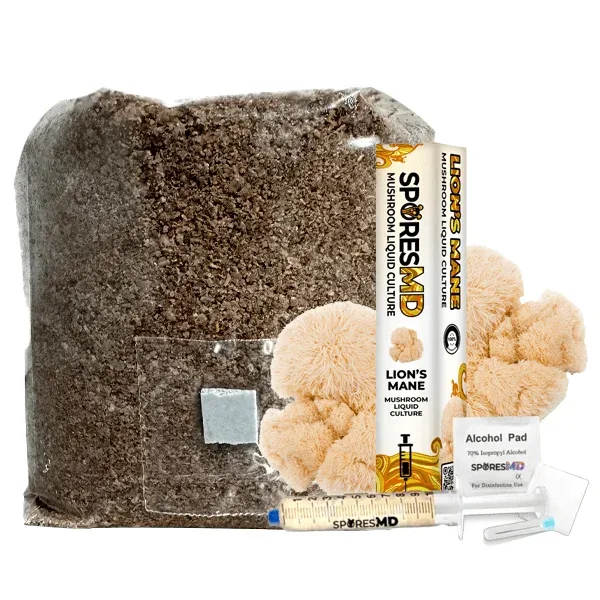
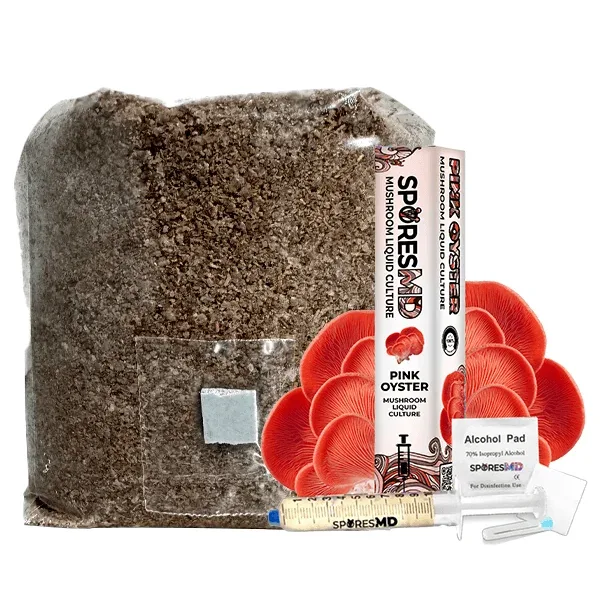
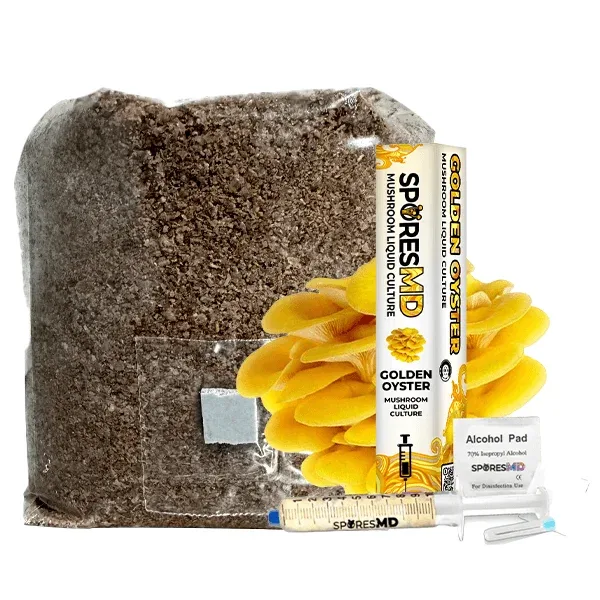
The seller puts these three at a few weeks to harvest. Blue oyster grows dense clusters of blue-gray caps that fade to soft gray as they mature, and the seller says it adapts to a wide range of spots. Golden oyster has golden-yellow caps and is listed as a tropical variety that wants warmth and humidity. Pink oyster has bright pink, ruffled caps, and the seller says its clusters can show within days; the seller notes that picked pink oysters keep only briefly, which makes home growing the way to have them fresh.
The patient ones: king oyster, lion's mane and antler reishi
King oyster grows into tall mushrooms with thick, meaty stems and small caps; its kit listing calls the growth slow and steady. Lion's mane grows as snow-white clumps of cascading spines instead of caps, is the one kit listed for cool rather than warm air, and its kit listing describes it as slower than the faster-growing varieties. Antler reishi has rich reddish tones and grows in upright, coral-like forms when the air around it is high in carbon dioxide and low in oxygen; it takes a few months by the seller's culture listing, and the seller suggests drying it or brewing it as tea.
Matching a kit to your spot
The kit listings describe golden and pink oyster as liking warm, humid spots and lion's mane as liking cool, humid air, and blue oyster as adapting to a wide range of environments. The seller's culture listings give the temperatures. Pink oyster colonizes at 70 to 85°F and antler reishi at 75 to 85°F; the other four colonize at 65 to 75°F. Blue and king oyster fruit at 60 to 70°F, golden oyster and lion's mane at 60 to 75°F, and pink oyster and antler reishi at 65 to 75°F. All six fruit at 85 to 95% humidity with indirect light, by the culture listings.
Kit or grow bag
For a first grow, the all-in-one kit is one purchase and costs less than buying a grow bag and a culture separately; the grow kits page compares the two routes for every species and lists what comes in the box. Once you have a grow bag, the culinary liquid cultures on the grow kits page come in the same six species.