Updated
We review these pages weekly and when laws change, but they aren't exhaustive and aren't legal advice. Laws change and we can make mistakes, so always check official sources before you buy, sell or travel.
Quick answer
- Allowed products
- Tablets, capsules, powders, softgels, gelcaps, oil tinctures, gummies, beverages and topicals only (HAR 11-37-4, 11-37-5)
- THC limits
- 0.3% total THC; 1 mg a serving and 5 mg a package for most edibles (HAR 11-37-5)
- Flower and vapes
- Hemp flower, pre-rolls and vapes may not be sold to consumers (HAR 11-37-3)
- Minimum age
- 21 for hemp tinctures (HRS 328G-13)
- Registration
- Retailers, distributors and online sellers register with the Department of Health since January 1, 2026 (HRS 328G-9)
What this means for products
- From December 11, 2026, products over the federal limit on THC per container leave this shop: 115 products today, mostly gummies and tinctures.
- This site lists no kratom products.
- This site lists no kava products.
- This site lists no psilocybin products.
- In the shop here: tinctures, gummies and chews, capsules, topicals, pet products and mushroom products, deals first below.
On sale now
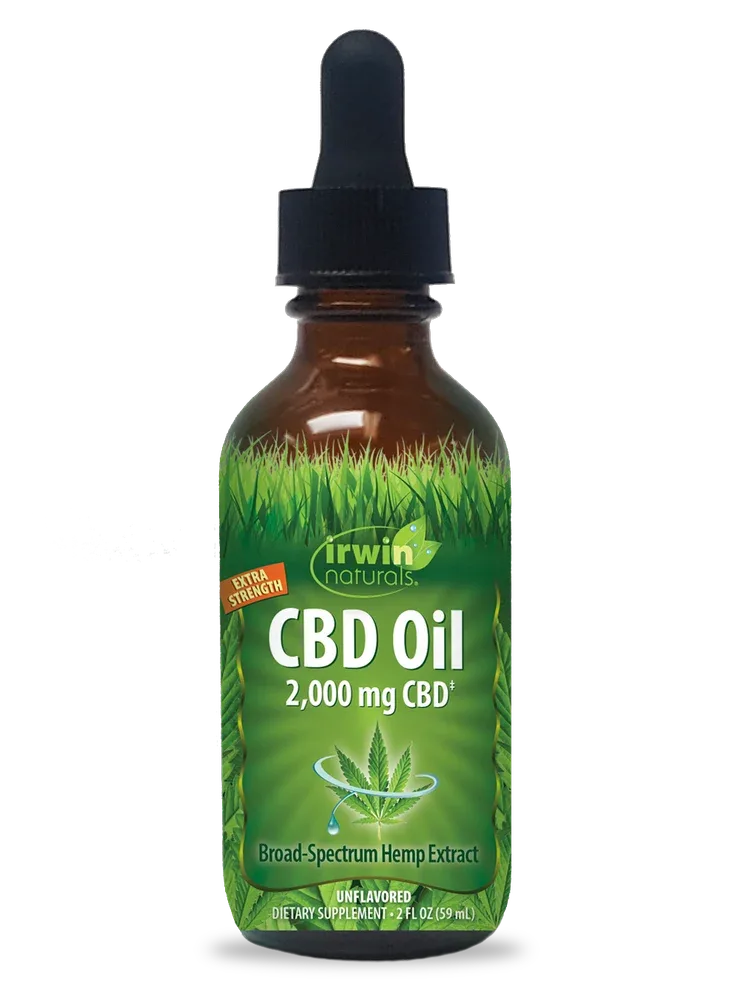
Irwin Naturals
CBD Oils 2000 mg: Unflavored
Tincture · 2,000 mg CBD
50% off
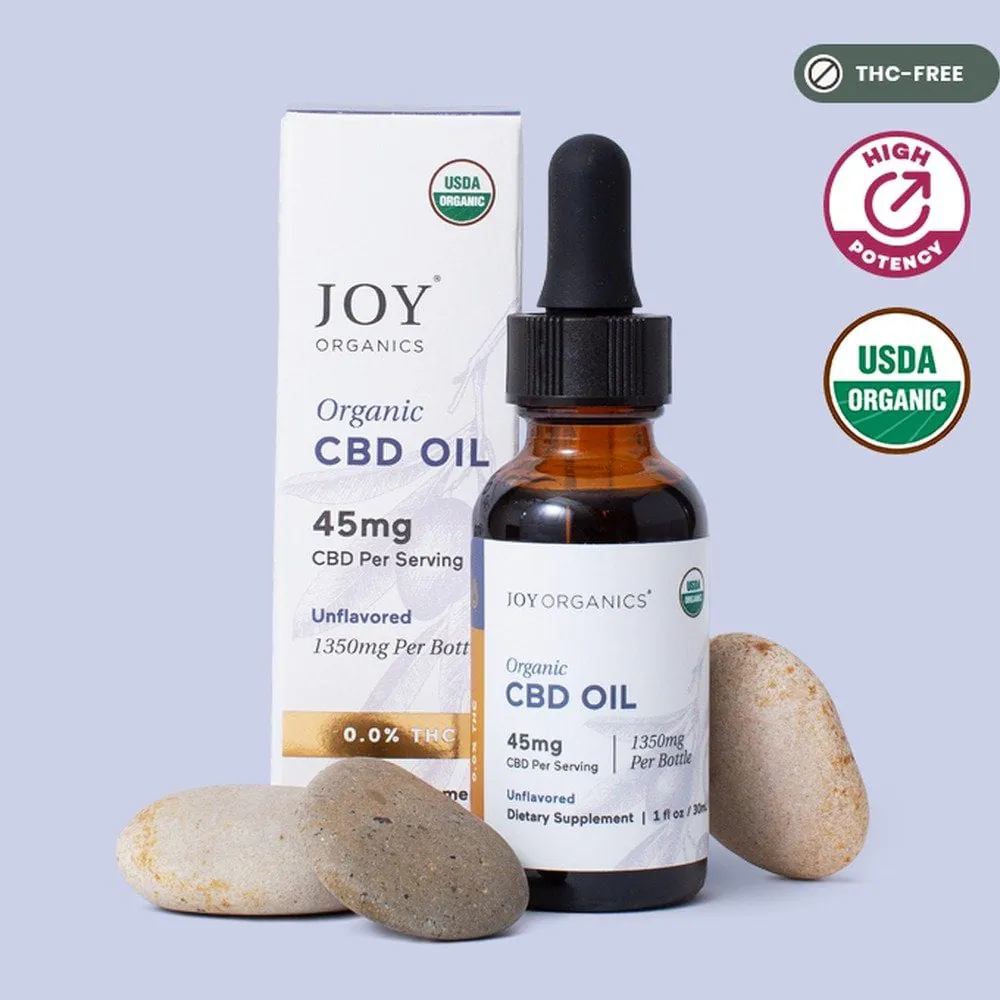
Sale price $34.50Buy at Irwin Naturals (opens brand site)was $68.99$0.017/mgJoy Organics
Organic THC-Free CBD Tincture (Unflavored)
Tincture · 1,350 mg CBD
30% off with code
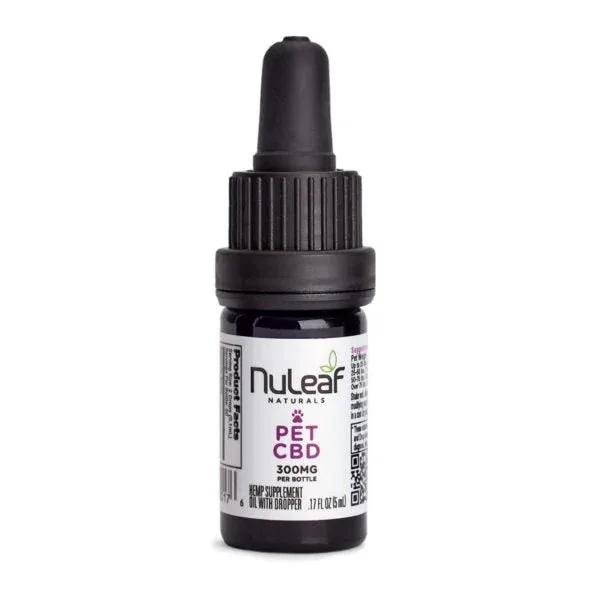
Price with code $48.97Buy at Joy Organics (opens brand site)was $69.95with code THCBAN30$0.036/mgNuLeaf Naturals
Pet CBD Oil, 300 mg
Tincture · 300 mg CBD
25% off
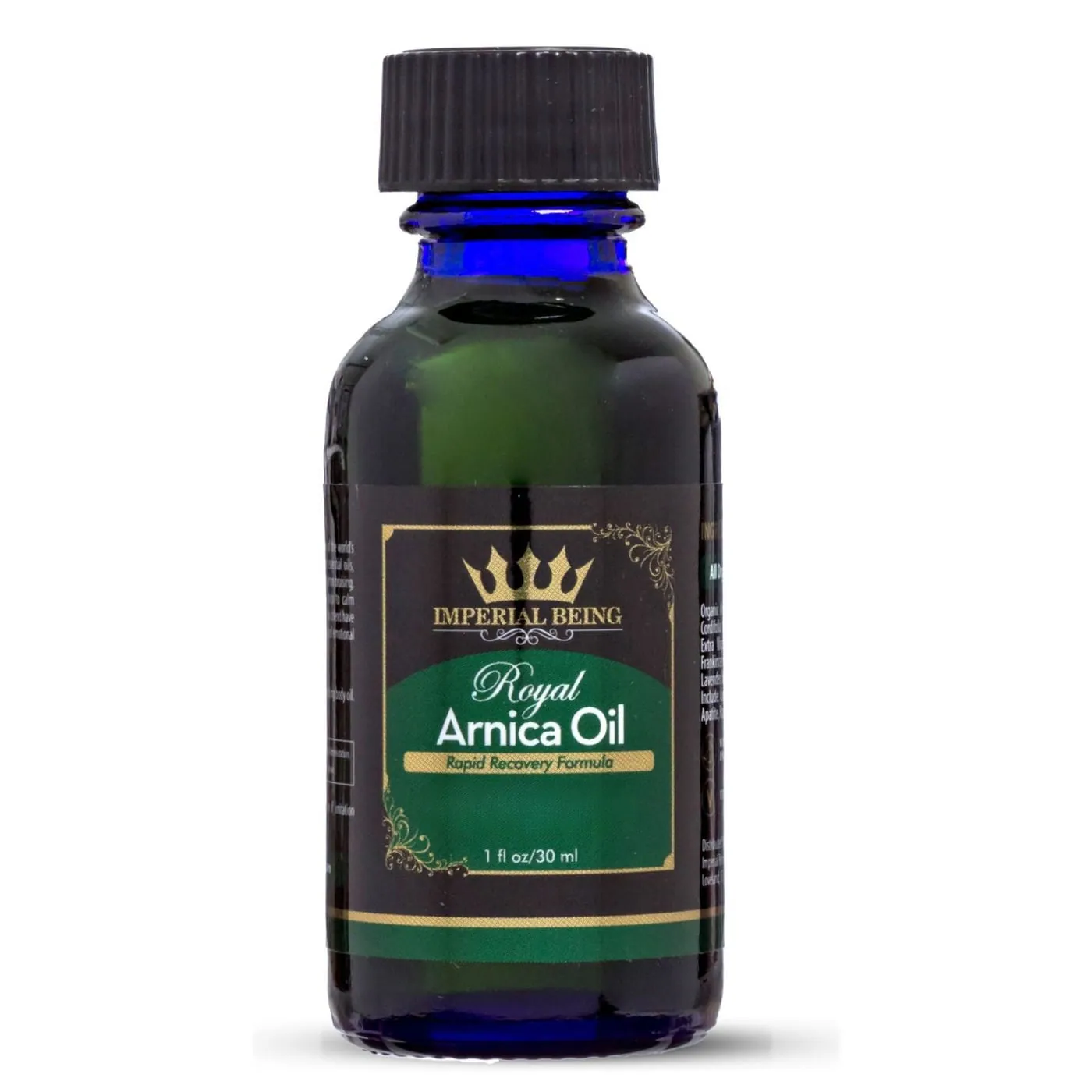
Sale price $21.20Buy at NuLeaf Naturals (opens brand site)was $28.27$0.071/mgImperial Being
Royal Arnica Oil, 1 fl oz
Oil · 1 fl oz
15% off with code
Price with code $21.24Buy on Amazon (opens in a new tab)was $24.99with code CWM15OFF$21.24/ozMedRoots
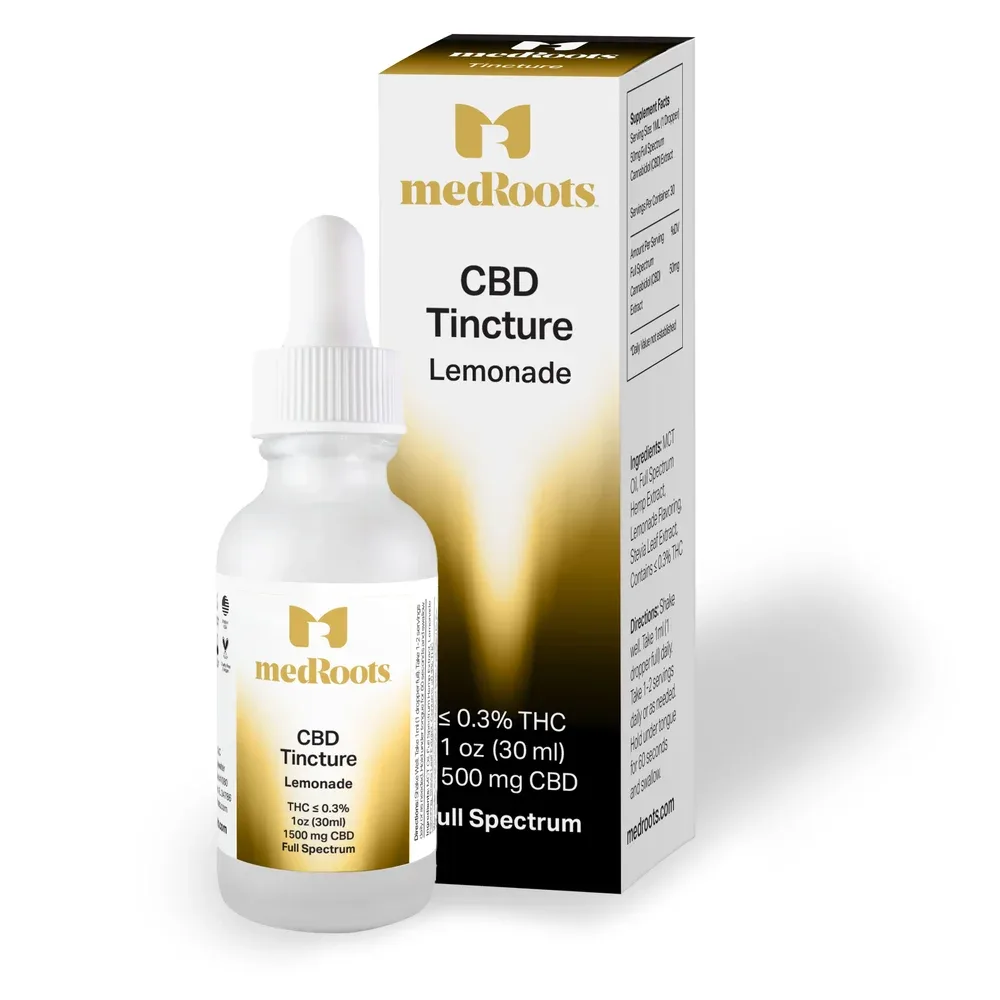
Lemonade Full Spectrum CBD Tincture, 1,500 mg
Tincture · 1,500 mg CBD
20% off your first order at MedRoots
$59.95$0.040/mgBuy at MedRoots (opens brand site)Psyched Wellness
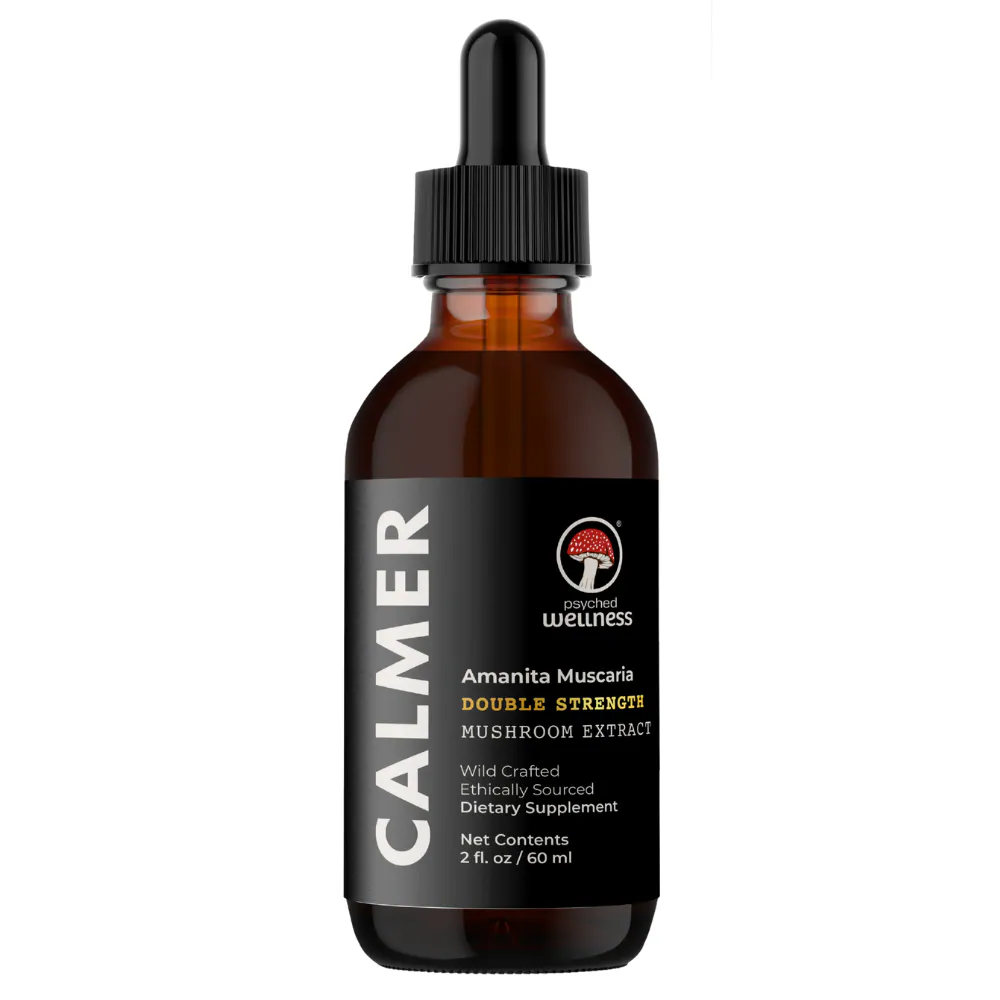
Calmer Amanita Muscaria Extract (Double Strength)
Tincture · 60 ml
$84.99$1.42/mlBuy at Psyched Wellness (opens brand site)
The law in Hawaii
Hawaii regulates hemp products through chapter 328G of its statutes, created by a 2020 law, and the Department of Health's interim rules in chapter 11-37 of the Hawaii Administrative Rules. The statute defines hemp by delta-9 THC, no more than 0.3 percent on a dry weight basis measured after decarboxylation. The rules go further: every crude extract and manufactured hemp product must hold no more than 0.3 percent total THC, which the rules define as delta-9 THC plus THCA times 0.877 plus delta-8 THC.
Hawaii is one of the few states that lists what may be sold rather than what may not. HAR 11-37-4 limits manufactured hemp products to topicals for skin or hair and eight edible types: tablets, capsules, powders in single-serving packets, softgels, gelcaps, oil-based tinctures, gummies and beverages. Chapter 328G is set to be repealed on July 1, 2027, under Act 263 of 2023, and the interim rules expire the same day or when permanent rules are adopted.
- The Department of Health's hemp product rules, HAR chapter 11-37, take effect.
- Amended rules list the allowed edible types and set THC caps of 1 mg a serving and 5 mg a package.
- Act 269 (H.B. 1482) is approved, creating a registry of hemp retailers and distributors and the age 21 rule for tinctures.
- Retailers, distributors and online sellers of manufactured hemp products must hold a certificate of registration.
- The Department of Health begins enforcing the registration requirement.
- The federal limit of 0.4 mg total THC per container begins.
THCA, flower and vapes
HAR 11-37-3 bars selling hemp leaf or floral material, including hemp cigars and cigarettes, or viable seeds, except to a hemp producer licensed by USDA or a permitted hemp processor. A product containing leaf or floral material is barred too. The Department of Health's consumer guidance says hemp flower and pre-rolls are prohibited regardless of the THC or THCA percentage on the label.
Anything made to be aerosolized and inhaled, such as a vape pen, is barred by HRS 328G-3, whatever cannabinoid it holds, CBD included. So are products meant for the eyes, ears or nose; only external topicals and products taken by mouth are allowed.
- CBD Softgels Extra StrengthNeurogan$0.013/mg
- CBD Isolate Gummies, 150mg, LemonLazarus Naturals$0.013/mg
- Multicannabinoid OilNuLeaf Naturals$0.028/mg
- CBD Oils 2000 mg: UnflavoredIrwin Naturals$0.034/mg
- CBD Gummies with Melatonin for SleepCBDfx$0.037/mg
- Lemonade Full Spectrum CBD Tincture, 1,500 mgMedRoots$0.040/mg
Delta-8 and THC limits
Hemp products with added artificially derived or synthetic cannabinoids may not be sold, and HAR 11-37-4 lists both as barred ingredients. The department's consumer guidance names delta-8 and delta-10 THC, THCO, HHC and CBN made from other cannabinoids as barred, while cannabinoids that occur naturally in the plant may be extracted.
Under HAR 11-37-5, a tablet, capsule, softgel, gelcap, gummy or powder packet may hold no more than 1 mg of total THC, and a multi-serving package no more than 5 mg. A tincture may hold up to 3 mg a serving in a bottle of one ounce or less, with no added sweeteners or non-hemp flavors. A beverage must be 6 to 12 fluid ounces with no more than 0.5 mg of total THC a container. Gummies may not be shaped like a person, animal or fruit, and the word "candy" may not appear on the package.
Age, registration and penalties
Act 269 of 2025 created a registry of manufactured hemp product retailers and distributors. Since January 1, 2026, a retailer, distributor or online seller, including one outside Hawaii, may not sell manufactured hemp products without a certificate of registration from the Department of Health's Office of Medical Cannabis Control and Regulation: a $50 fee, valid for five years. Topicals and tinctures are exempt from registration. The department began enforcing the requirement on July 1, 2026.
Recklessly selling hemp products without the required registration is unlawful hemp distribution or retailing, a misdemeanor, and a class C felony if repeated within five years of a conviction. HRS 328G-13 makes it unlawful to sell or furnish a hemp tincture to anyone under 21, with fines of $500 for a first offense. Neither the statute nor the rules set a minimum age for other hemp products.
CBD in food
HAR 11-37-3 bars selling any food with a cannabinoid or hemp added, except the edible types the rules allow. Hemp ingredients the FDA has accepted as generally recognized as safe, such as hemp seed foods, are exempt. Edible hemp products may use only additives allowed in food, must be child resistant in multi-serving packages, and carry a label showing how much of the hemp was grown in Hawaii.
Kratom, kava, amanita and spores
Hawaii's Schedule I, HRS 329-14, does not list kratom, mitragynine or 7-hydroxymitragynine. The 2025 kratom consumer protection bills, SB 463 and HB 717, did not become law, and a state bulletin of July 2026 said no kratom bill had passed. The Department of Health warned the public about 7-OH products on May 11, 2026. We found no Hawaii statute or rule that settles the sale of kratom.
Kava may not be an ingredient in a manufactured hemp product under HAR 11-37-4, which bars any psychoactive substance not derived from cannabis. We found no Hawaii statute regulating kava by itself, amanita muscaria or its compounds, or mushroom spores. Psilocybin and psilocyn are Schedule I.
The federal change on December 11
From December 11, 2026, the federal definition counts total THC including THCA and limits a finished hemp-derived cannabinoid product to 0.4 mg per container. Read the federal page and What's changing on December 11.
Common questions
Is THCA legal in Hawaii?
Hawaii's rules count THCA in total THC, together with delta-9 and delta-8 THC, and cap every hemp product at 0.3 percent total THC. Hemp leaf and floral material, including hemp cigars and cigarettes, may be sold only to licensed hemp producers and permitted processors, so THCA flower cannot be sold to consumers.
Is CBD legal in Hawaii?
Yes, in the product types the Department of Health allows: tablets, capsules, powders, softgels, gelcaps, oil-based tinctures, gummies, beverages and topicals. The department says it has set no limit on the amount of CBD, but every product must stay within the THC limits and pass the testing rules in chapter 11-37.
Is delta-8 legal in Hawaii?
Hemp products with added artificially derived or synthetic cannabinoids may not be sold under HRS 328G-3. The Department of Health says delta-8 made from other cannabinoids is barred, while delta-8 that occurs naturally in the plant may be extracted, and it counts toward the total THC limit.
Is kratom legal in Hawaii?
Hawaii's Schedule I list, HRS 329-14, does not name kratom, mitragynine or 7-hydroxymitragynine. A state bulletin of July 2026 said no kratom bill had passed the Legislature, and the Department of Health warned the public about 7-OH products on May 11, 2026.
Can hemp products contain kava in Hawaii?
No. HAR 11-37-4 bars kava, alcohol, caffeine, nicotine, tobacco and any other psychoactive substance not derived from cannabis as an ingredient in a manufactured hemp product.
Sources
- HRS chapter 328G, hemp processors (contents and repeal note), Hawaii State Legislature
- HRS 328G-1, definitions, Hawaii State Legislature
- HRS 328G-3, manufactured hemp product sale and prohibitions, Hawaii State Legislature
- HRS 328G-4, rulemaking, Hawaii State Legislature
- HRS 328G-9, registry of distributors and retailers, Hawaii State Legislature
- HRS 328G-13, tinctures; persons under twenty-one years of age, Hawaii State Legislature
- HRS 329-14, Schedule I, Hawaii State Legislature
- Act 269, Session Laws of Hawaii 2025 (H.B. 1482), Hawaii State Legislature
- HAR chapter 11-37, hemp processing and manufactured hemp products (interim rules), amended January 28, 2026, Hawaii State Department of Health
- Hemp Program, Hawaii State Department of Health, Office of Medical Cannabis Control and Regulation
- Consumers of manufactured hemp products FAQ, Hawaii State Department of Health
- DOH warns the public about 7-OH (news release, May 11, 2026), Hawaii State Department of Health
- Kratom informational bulletin on mitragynine, 7-OH and MGM-15 (July 2026), State of Hawaii
Each source was last read on November 12, 2026. Laws and rules change; check the source for the current text.