Updated
We review these pages weekly and when laws change, but they aren't exhaustive and aren't legal advice. Laws change and we can make mistakes, so always check official sources before you buy, sell or travel.
Quick answer
- Who regulates
- The Cannabis Control Commission licenses hemp growers, handlers, CBD distributors and CBD retailers (R.I. Gen. Laws 2-26-5)
- THC limit
- Post-harvest: 1 mg total THC a serving, 5 mg a package or 0.3% dry weight, by product type, THCA included (560-RICR-10-20-1.5)
- Minimum age
- 21 for any hemp-derived consumable CBD product (R.I. Gen. Laws 2-26-3(10)); 21 for kratom from April 1, 2026
- Kratom
- Legal for adults 21 and older from licensed retailers under the Rhode Island Kratom Act, chapter 21-28.12
What this means for products
- From December 11, 2026, products over the federal limit on THC per container leave this shop: 115 products today, mostly gummies and tinctures.
- This site lists no kratom products.
- In the shop here: tinctures, gummies and chews, capsules, topicals, pet products and mushroom products, deals first below.
On sale now
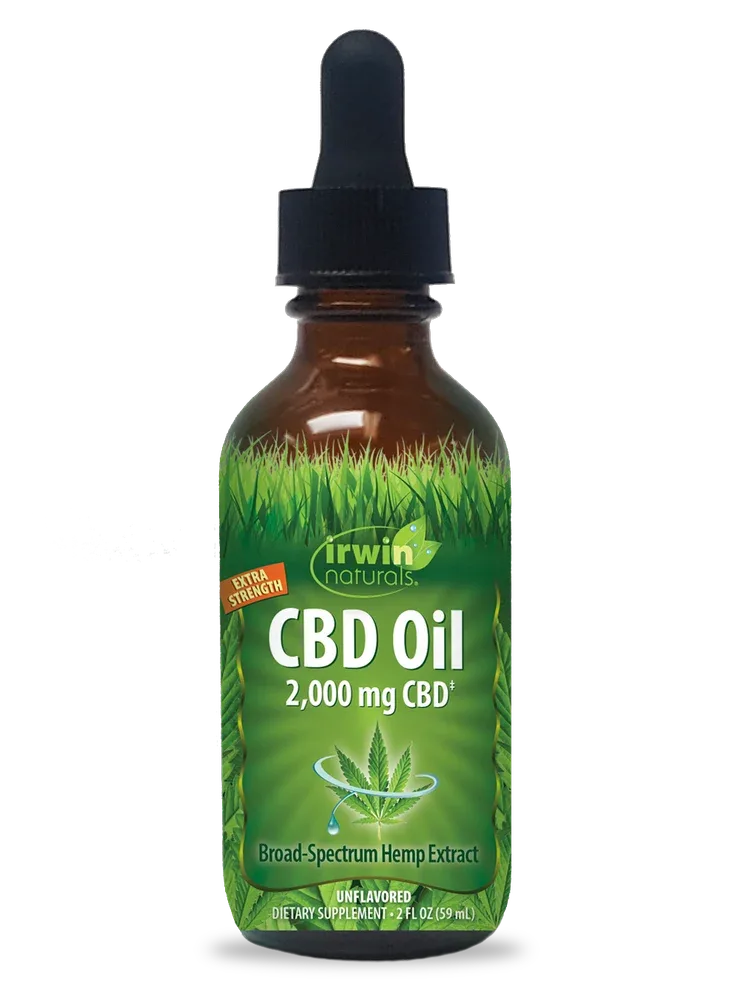
Irwin Naturals
CBD Oils 2000 mg: Unflavored
Tincture · 2,000 mg CBD
50% off
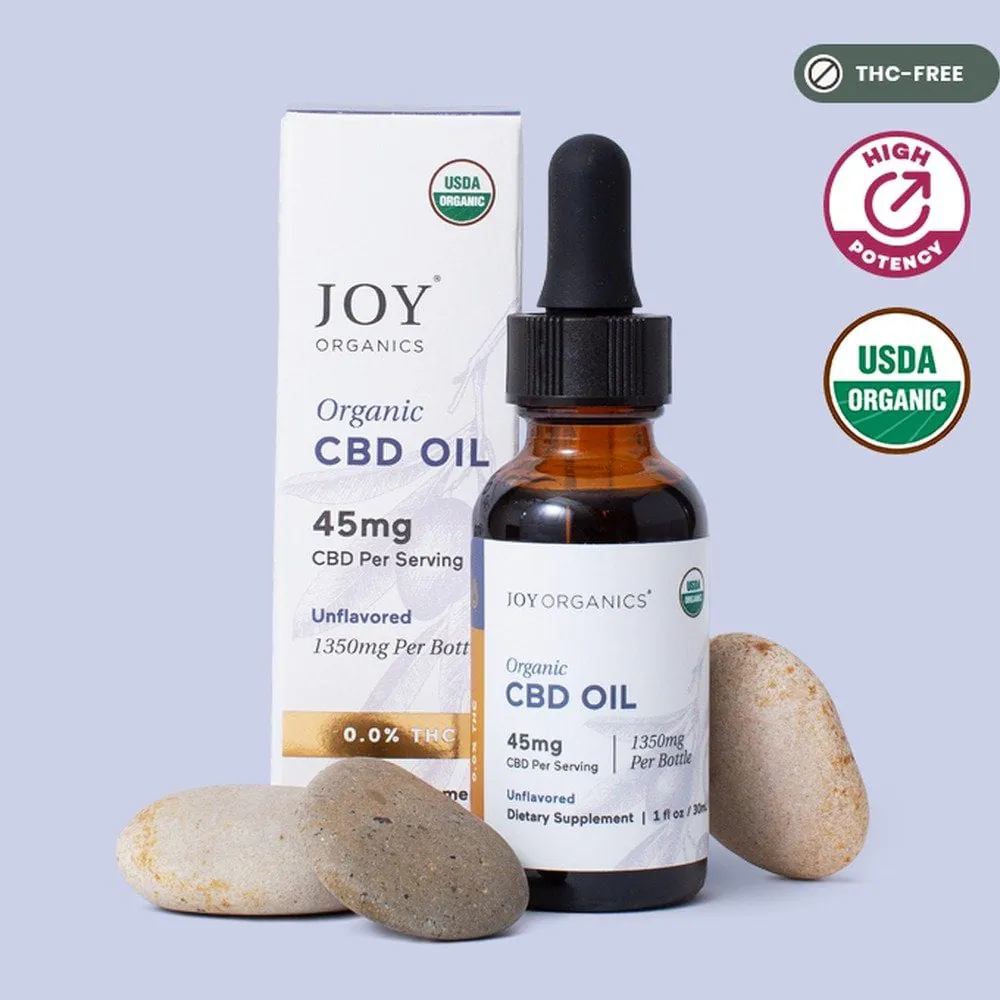
Sale price $34.50Buy at Irwin Naturals (opens brand site)was $68.99$0.017/mgJoy Organics
Organic THC-Free CBD Tincture (Unflavored)
Tincture · 1,350 mg CBD
30% off with code
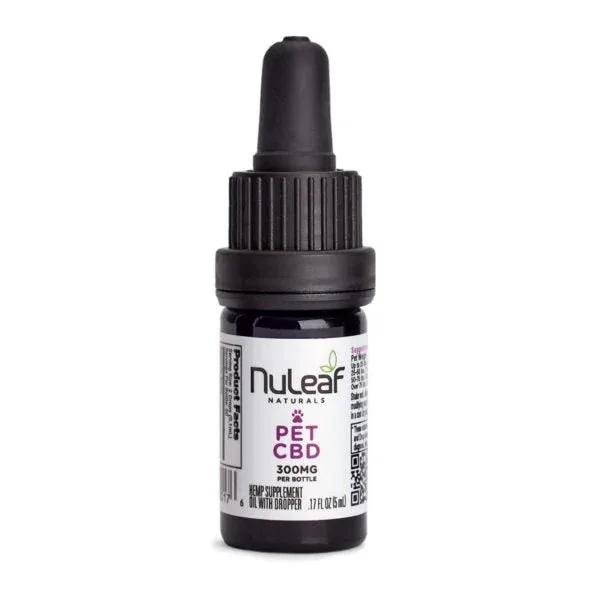
Price with code $48.97Buy at Joy Organics (opens brand site)was $69.95with code THCBAN30$0.036/mgNuLeaf Naturals
Pet CBD Oil, 300 mg
Tincture · 300 mg CBD
25% off
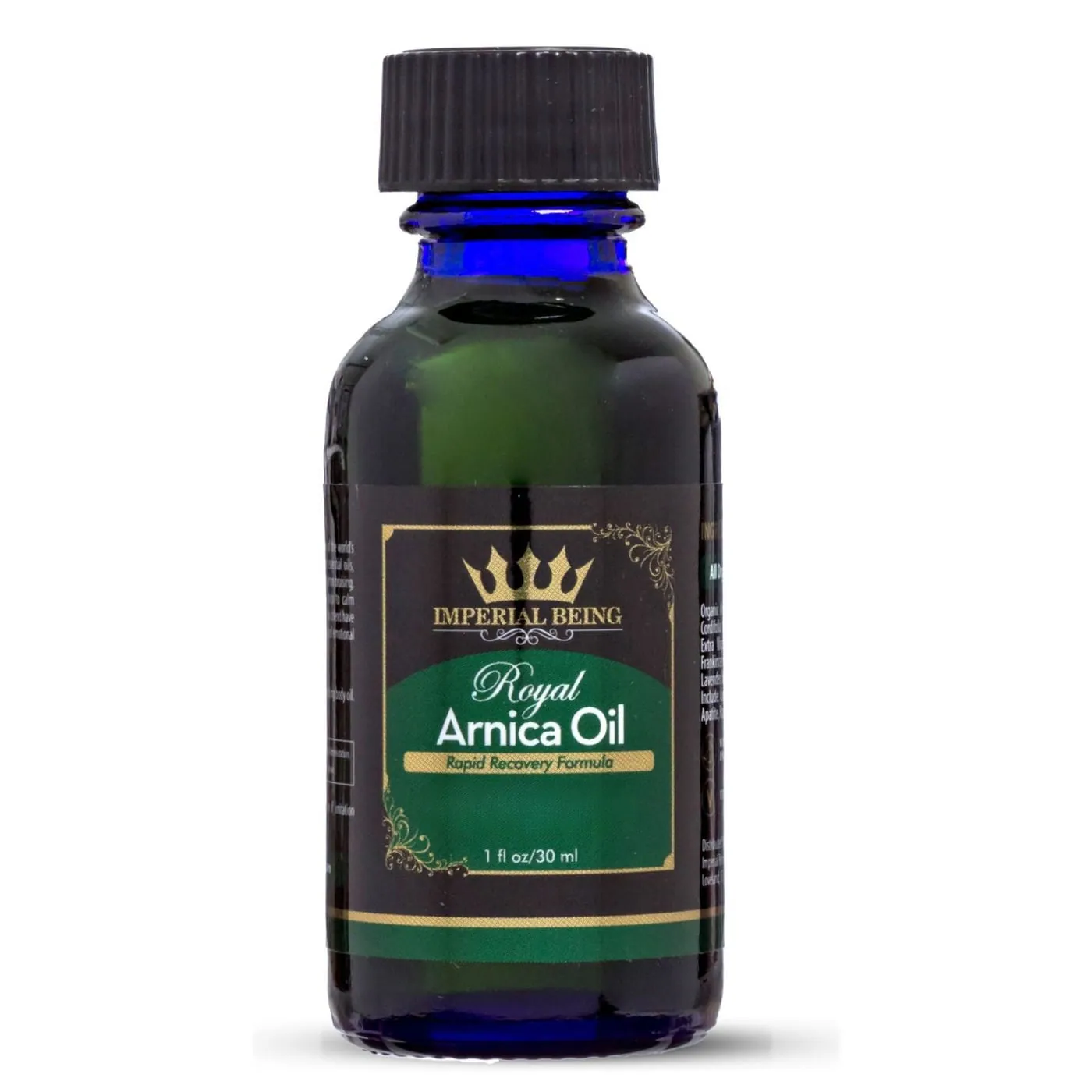
Sale price $21.20Buy at NuLeaf Naturals (opens brand site)was $28.27$0.071/mgImperial Being
Royal Arnica Oil, 1 fl oz
Oil · 1 fl oz
15% off with code
Price with code $21.24Buy on Amazon (opens in a new tab)was $24.99with code CWM15OFF$21.24/ozMedRoots
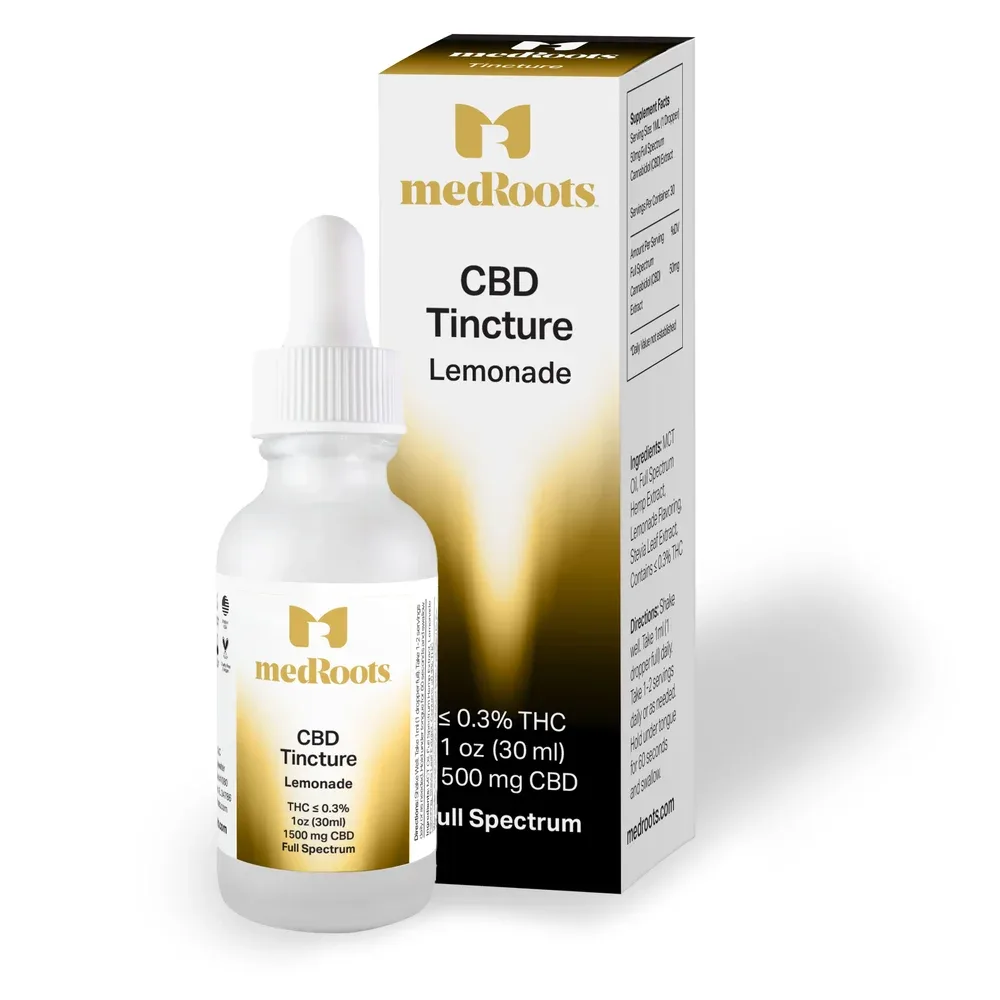
Lemonade Full Spectrum CBD Tincture, 1,500 mg
Tincture · 1,500 mg CBD
20% off your first order at MedRoots
$59.95$0.040/mgBuy at MedRoots (opens brand site)Psyched Wellness
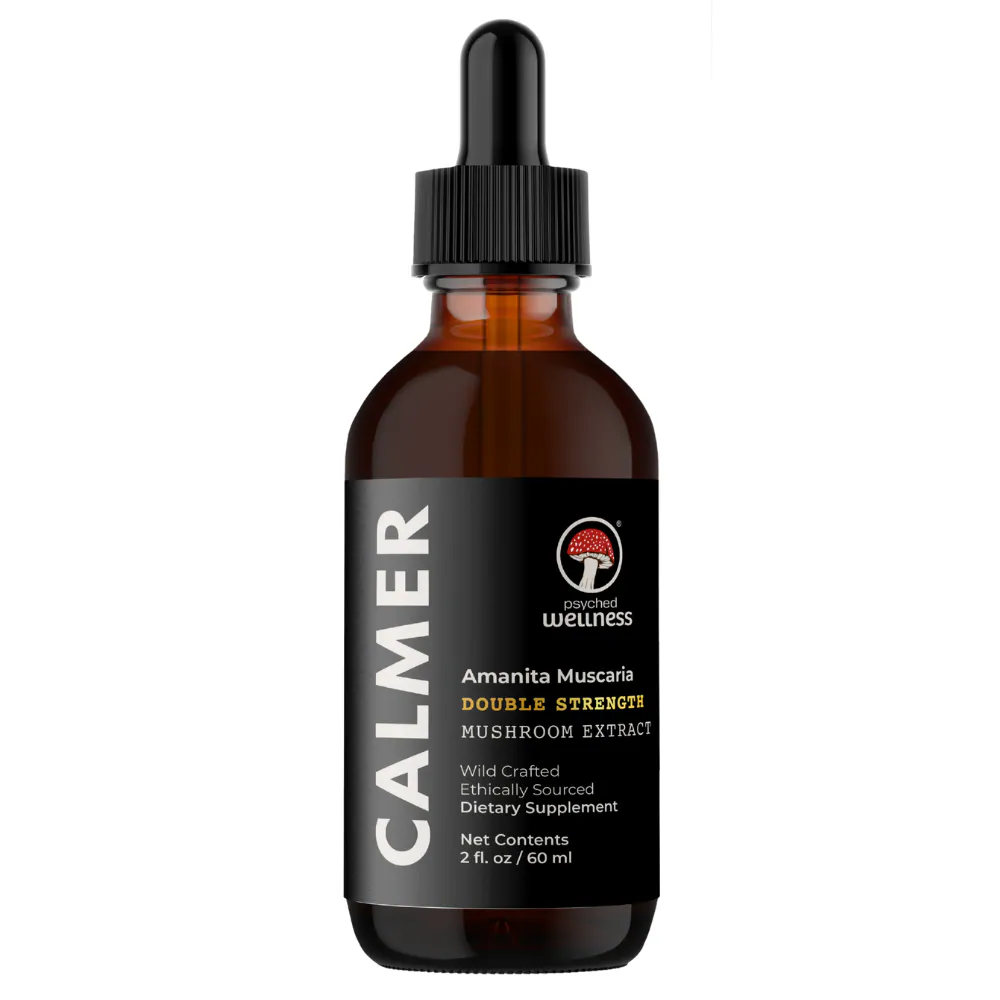
Calmer Amanita Muscaria Extract (Double Strength)
Tincture · 60 ml
$84.99$1.42/mlBuy at Psyched Wellness (opens brand site)
The law in Rhode Island
Rhode Island's hemp law is the Hemp Growth Act, chapter 2-26 of the General Laws, and since a 2025 amendment its regulator is the Cannabis Control Commission created by section 21-28.11-4, the same body that oversees adult-use cannabis. Section 2-26-5 gives the Commission the rules for licensing hemp growers, handlers, CBD distributors and CBD retailers, and every one of them needs a Commission license. A grower or handler license costs $2,500 for two years; a standalone CBD distributor or retailer license costs $500 a year.
The statute still defines hemp by delta-9 THC: the plant and its derivatives, extracts, cannabinoids, isomers and acids with no more than 0.3 percent delta-9 THC on a dry weight or per volume basis. Its definition of a hemp-derived consumable CBD product, anything meant to be ingested that contains CBD from hemp, ends with a rule of its own: such a product may be sold only to people 21 or older.
- Public Law 2025, chapter 278, article 3 amends the Hemp Growth Act, naming the Cannabis Control Commission.
- Joint Resolution 2025 R388 asks the Commission to study hemp-derived THC beverages.
- The Commission's emergency hemp rule, 560-RICR-10-20-1, takes effect.
- The amended hemp rule takes effect.
- The Rhode Island Kratom Act takes effect: licensed sellers and age 21.
- The federal limit of 0.4 mg total THC per container begins.
THCA, delta-8 and hemp flower
The Commission's rule, 560-RICR-10-20-1, in its version effective December 8, 2025, sets the limits the statute leaves out. Post-harvest testing of a consumable product counts total THC, including THCA and all isomers and derivatives, and the product may hold no more than 1 mg of total THC a serving, 5 mg a package or 0.3 percent on a dry weight basis, according to its product type, unless the Commission allows otherwise.
The rule lists the product types a licensee may make and sell: raw hemp flower, including pre-rolls, packaged and unpackaged products eaten or drunk, concentrates for inhalation, and any other type the Commission approves. It does not say which of the three limits governs flower, and we found no statute, rule text, Attorney General opinion or appeals court ruling that settles how THCA flower is judged in Rhode Island.
Delta-8 is not named in the statute or the rule. The rule bars combining a consumable product with any synthetic cannabinoid, alcohol, tobacco or nicotine, and section 1.8(I) bars converting CBD or other cannabinoids into delta-9 THC or any derivative form of THC unless the Commission grants a variance.
- CBD Softgels Extra StrengthNeurogan$0.013/mg
- CBD Isolate Gummies, 150mg, LemonLazarus Naturals$0.013/mg
- Multicannabinoid OilNuLeaf Naturals$0.028/mg
- CBD Oils 2000 mg: UnflavoredIrwin Naturals$0.034/mg
- CBD Gummies with Melatonin for SleepCBDfx$0.037/mg
- Lemonade Full Spectrum CBD Tincture, 1,500 mgMedRoots$0.040/mg
Age, licenses and labels
A licensed retailer may let only people 21 or older buy a consumable CBD product and must check a government-issued ID. The Commission's 2026 study says online sellers mailing products to buyers in Rhode Island also need a Commission distributor or retail license, and that the age check applies to those sales too. In stores, hemp products must sit apart from everything else in a clearly marked area.
Labels must state the total THC, CBD and any other advertised cannabinoid per serving and per package in milligrams, as measured by an approved laboratory, along with warnings that the product comes from industrial hemp and has not been reviewed by the FDA. Medical claims, child-appealing designs and shapes, cannabis leaf shapes and misleading statements are barred. Laboratories outside the state qualify if their home state licenses them to test hemp or they hold ISO/IEC 17025:2017 accreditation.
CBD in food and drinks
Section 2-26-5 requires consumable CBD products to follow state and local food processing and safety rules, including any food safety license the Department of Health requires. The rule lets licensees sell CBD foods and drinks, packaged or not.
The Commission's March 2026 study, written under Joint Resolution 2025 R388, says hemp-derived THC beverages are allowed within the 1 mg a serving and 5 mg a package limits and recommends a stricter 1 mg a container standard for all such drinks. Cannabis edibles sold at licensed hybrid retailers follow separate cannabis rules: 10 mg of THC a serving and 100 mg a package. In July 2025 the Commission voted to stop issuing new hemp retail licenses to businesses licensed to serve alcohol on site.
Kratom, kava, amanita and spores
The Rhode Island Kratom Act, chapter 21-28.12, took effect on April 1, 2026 and is run by the Department of Health. Retail sales must come from a licensed retailer stocking products from licensed manufacturers, importers or distributors. No one may sell kratom to anyone under 21, and products stay behind the counter and require a photo ID. The act bars kratom foods and drinks, synthetic mitragynine or 7-hydroxymitragynine, and products for smoking, vaping or injection, and caps mitragynine at 150 mg a serving and 7-hydroxymitragynine at 1 mg a serving, 0.5 mg a gram and 1 percent of total alkaloids. Products that break those rules are contraband.
We found no Rhode Island statute naming kava, amanita muscaria or mushroom spores.
The federal change on December 11
From December 11, 2026, the federal definition counts total THC including THCA and limits a finished hemp-derived cannabinoid product to 0.4 mg per container. Read the federal page and What's changing on December 11.
Common questions
Is THCA legal in Rhode Island?
Rhode Island's statute defines hemp by delta-9 THC alone, at no more than 0.3 percent, but the Cannabis Control Commission's rule measures total THC in a consumable product including THCA and all isomers and derivatives. The rule lists raw hemp flower and pre-rolls among the products a licensee may sell. It sets limits of 1 mg a serving, 5 mg a package or 0.3 percent on a dry weight basis according to product type, without saying which applies to flower, and no statute, rule, Attorney General opinion or appeals court ruling we found settles that point.
Is CBD legal in Rhode Island?
Yes, from a retailer licensed by the Cannabis Control Commission and only to buyers 21 and older. Section 2-26-3(10) writes the age limit into the definition of a hemp-derived consumable CBD product, and the rule requires the retailer to check a government-issued ID.
Is delta-8 legal in Rhode Island?
The Commission's rule counts every isomer and derivative of THC toward the total THC limits, bars combining a consumable product with any synthetic cannabinoid, and bars converting CBD or other cannabinoids into delta-9 THC or any derivative form of THC unless the Commission grants a variance. Rhode Island's statute does not name delta-8.
Can THC drinks be sold in Rhode Island?
The Commission says hemp-derived THC beverages may be sold by its licensed hemp retailers within the same post-harvest limits of 1 mg of total THC a serving and 5 mg a package, only to adults 21 and older. In July 2025 it stopped issuing new hemp retail licenses to businesses licensed to serve alcohol on site.
Is kratom legal in Rhode Island?
Yes, for adults 21 and older from a retailer licensed by the Department of Health, since the Rhode Island Kratom Act took effect on April 1, 2026. Products must stay behind the counter, and the act bars synthetic alkaloids and kratom foods and drinks and caps 7-hydroxymitragynine at 1 mg a serving.
Sources
- R.I. Gen. Laws 2-26-3, Hemp Growth Act definitions, State of Rhode Island General Assembly
- R.I. Gen. Laws 2-26-5, authority over licensing and sales, State of Rhode Island General Assembly
- R.I. Gen. Laws 2-26-7, licensure, State of Rhode Island General Assembly
- R.I. Gen. Laws 21-28.12-2, Rhode Island Kratom Act definitions, State of Rhode Island General Assembly
- R.I. Gen. Laws 21-28.12-3, kratom product requirements, State of Rhode Island General Assembly
- R.I. Gen. Laws 21-28.12-4, kratom age limits and sales restrictions, State of Rhode Island General Assembly
- 560-RICR-10-20-1, Rhode Island Industrial Hemp Program, Rhode Island Department of State
- Study on Hemp-Derived THC Infused Beverages, Joint Resolution 2025 R388 (March 2026), Rhode Island Cannabis Control Commission
Each source was last read on November 12, 2026. Laws and rules change; check the source for the current text.