As of , THCA products in Washington DC count as cannabis under District law, so only businesses licensed by the Alcoholic Beverage and Cannabis Administration may sell them.
Updated
We review these pages weekly and when laws change, but they aren't exhaustive and aren't legal advice. Laws change and we can make mistakes, so always check official sources before you buy, sell or travel.
Quick answer
- Hemp and CBD
- No hemp carve-out: the Attorney General reads CBD, hemp-derived included, as cannabis under the Controlled Substances Act (AL-21-222)AG opinion
- Who may sell
- Only businesses licensed by ABCA in the medical cannabis program; any other seller is an unlicensed establishment (D.C. Code 7-1671.01)Statute
- Fines
- $10,000 for a first violation, $20,000 for a second and $30,000 after that, plus possible closure (D.C. Code 7-1671.08)Statute
- Adults 21 and older
- May possess up to 2 ounces of marijuana and give away up to 1 ounce, but not sell it (D.C. Code 48-904.01)Statute
- Kratom
- 7-hydroxymitragynine is a Schedule I substance (22-B DCMR 1201.1); the kratom leaf and mitragynine are not namedRegulation
What this means for products
- From December 11, 2026, products over the federal limit on THC per container leave this shop: 164 products today, mostly gummies and tinctures.
- This site lists no kratom products.
- This site lists no psilocybin products.
- In the shop here: tinctures, gummies and chews, capsules, topicals, pet products and mushroom products, deals first below.
On sale now
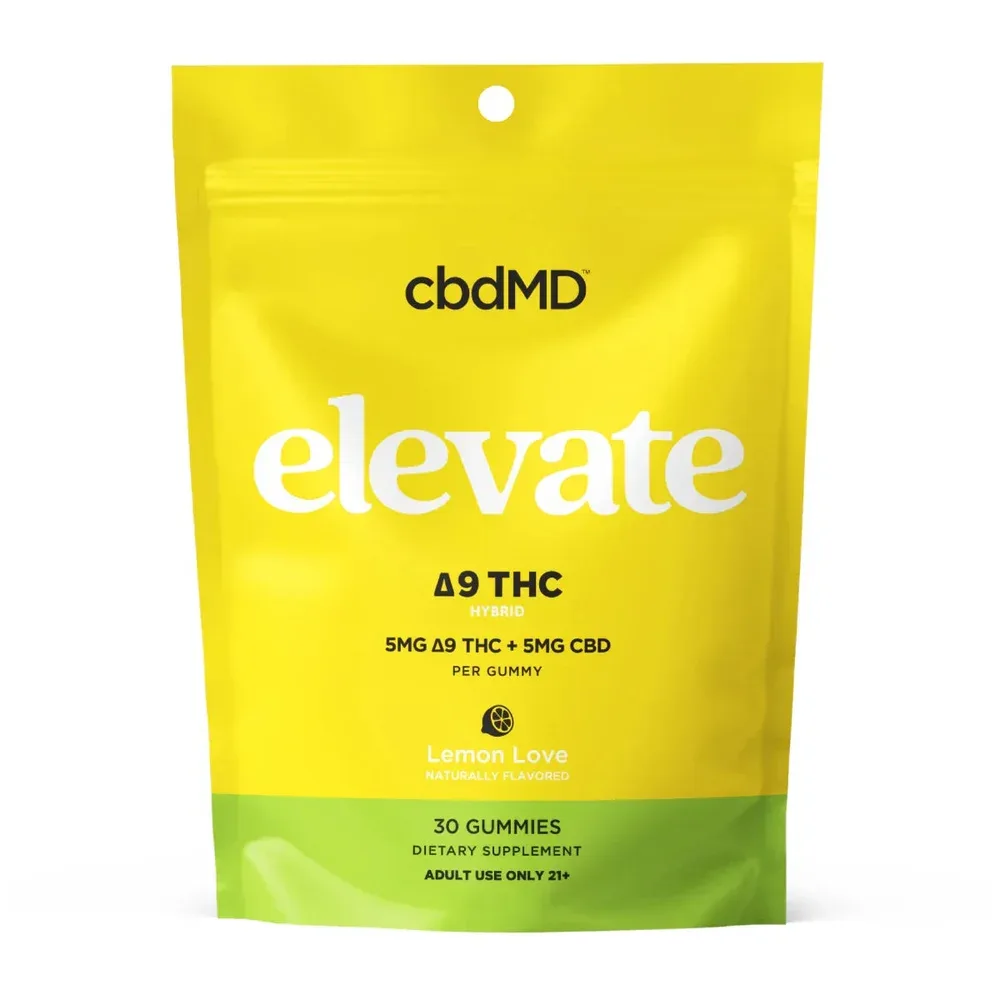
cbdMD
Delta 9 THC Elevate Gummies
Gummy · 2 g
Sale
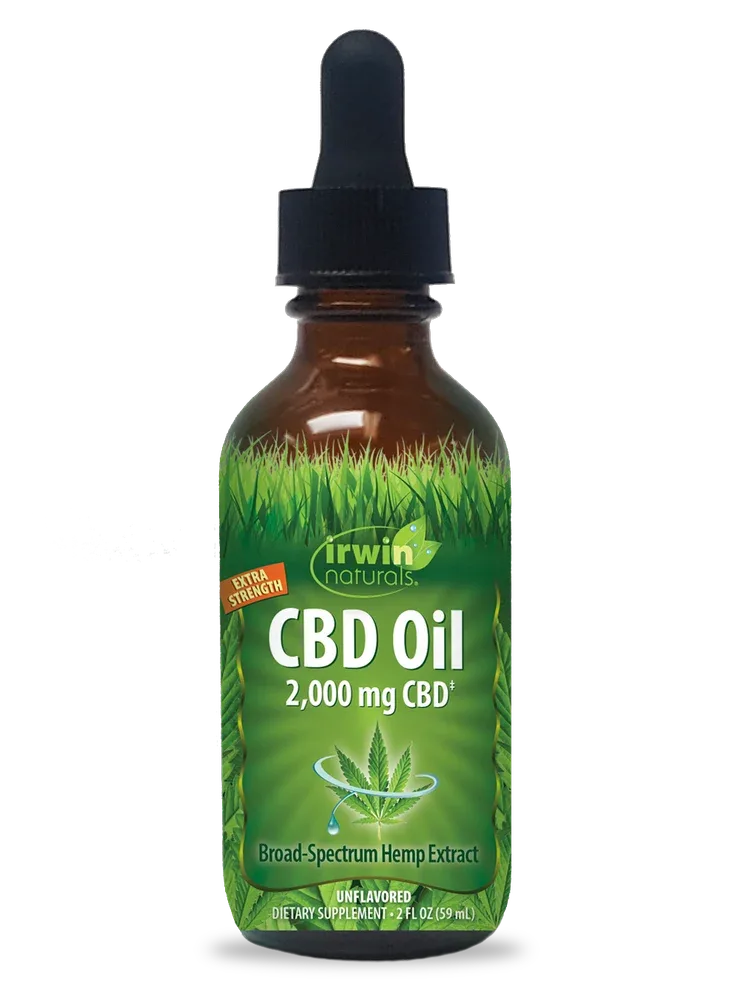
Sale price $14.99Buy at cbdMD (opens brand site)was $49.99Irwin Naturals
CBD Oils 2000 mg: Unflavored
Tincture · 2,000 mg CBD
50% off
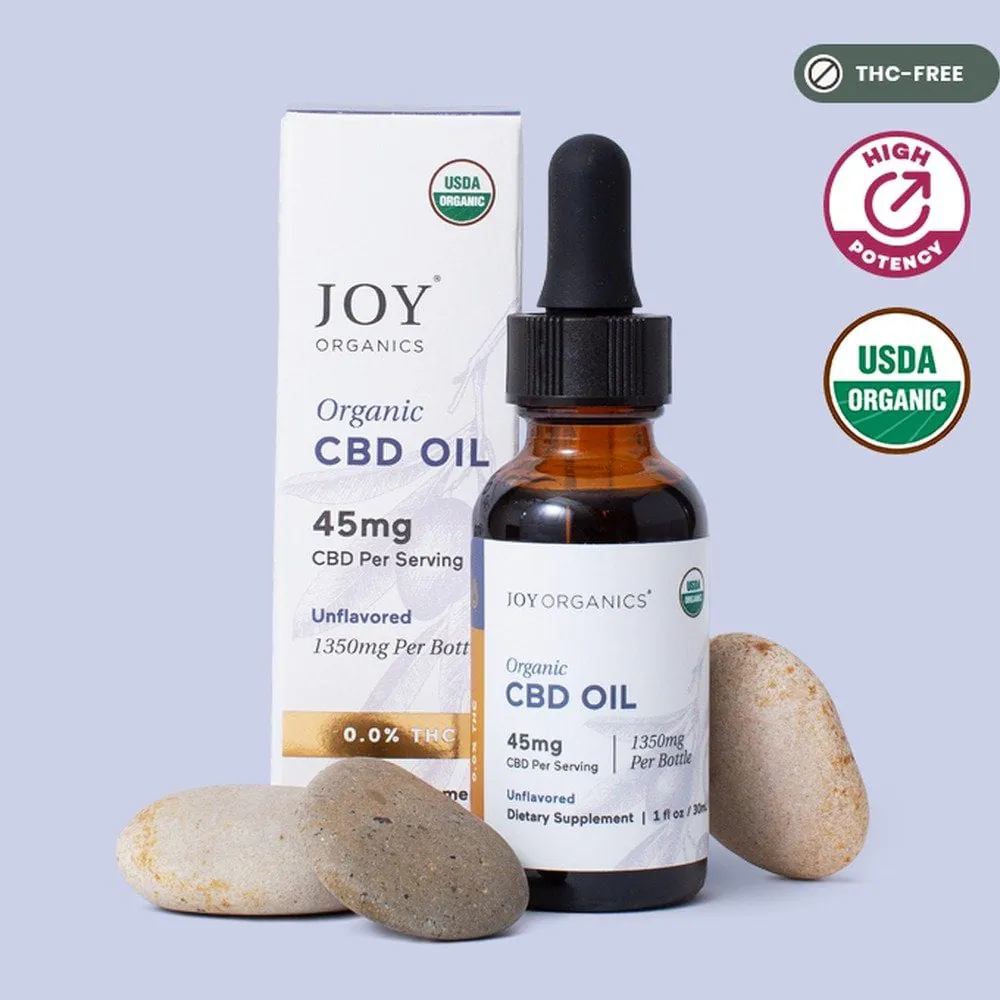
Sale price $34.50Buy at Irwin Naturals (opens brand site)was $68.99$0.017/mgJoy Organics
Organic THC-Free CBD Tincture (Unflavored)
Tincture · 1,350 mg CBD
30% off with code
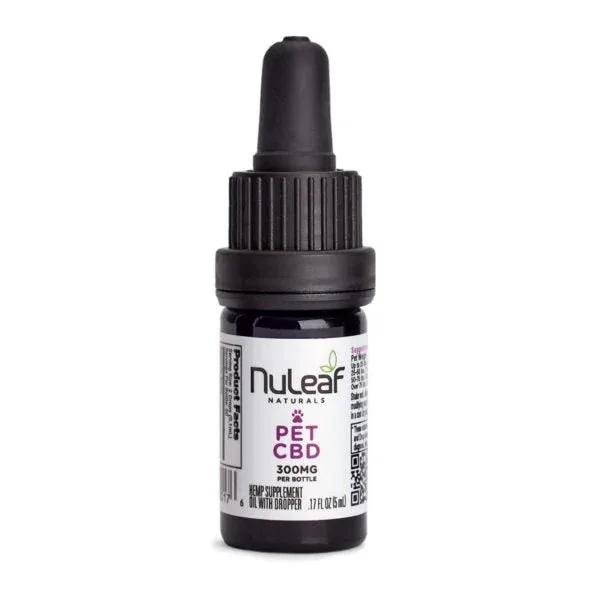
Price with code $48.97Buy at Joy Organics (opens brand site)was $69.95with code THCBAN30$0.036/mgNuLeaf Naturals
Pet CBD Oil, 300 mg
Tincture · 300 mg CBD
25% off
Sale price $21.20Buy at NuLeaf Naturals (opens brand site)was $28.27$0.071/mgImperial Being
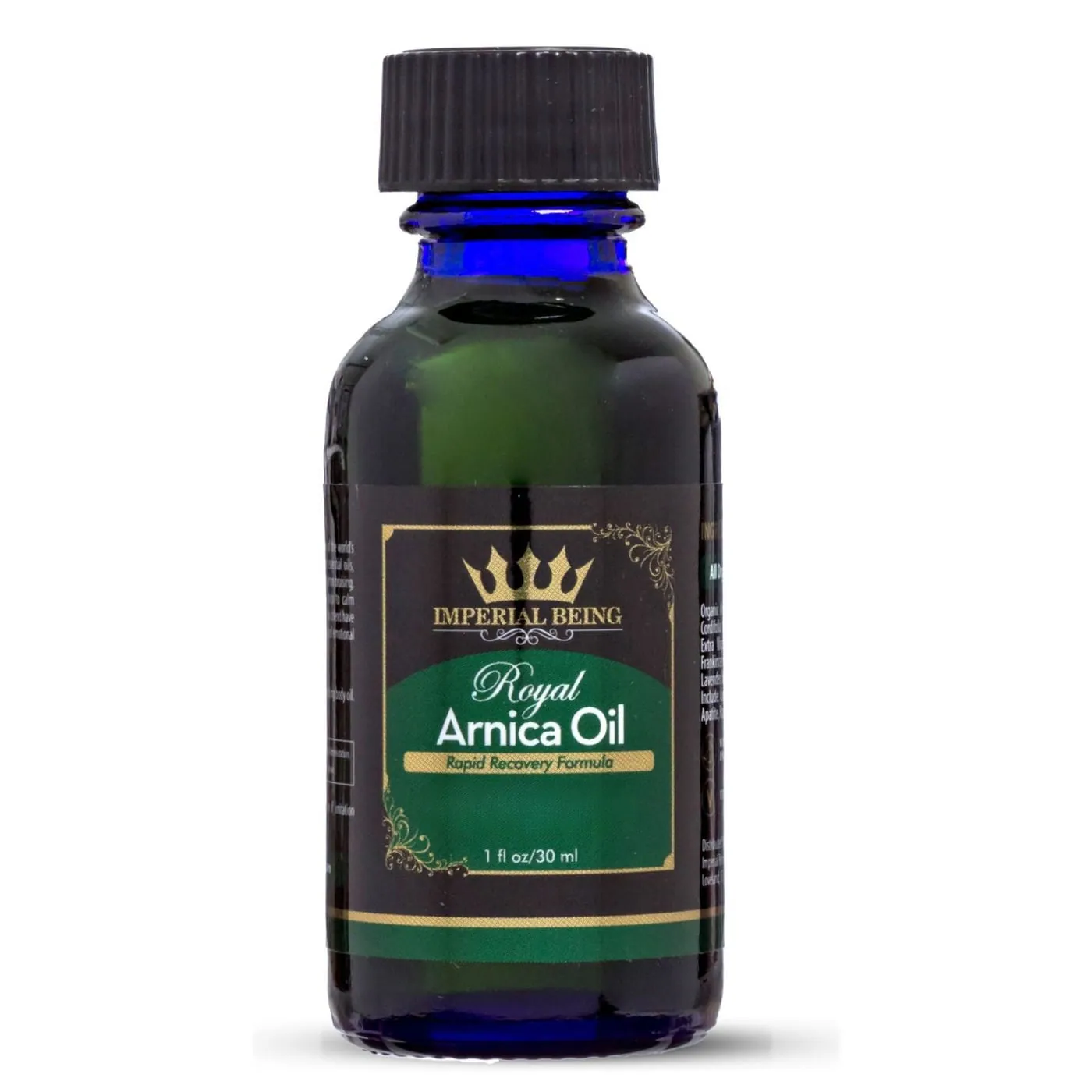
Royal Arnica Oil, 1 fl oz
Oil · 1 fl oz
15% off with code
Price with code $21.24Buy on Amazon (opens in a new tab)was $24.99with code CWM15OFF$21.24/ozMedRoots
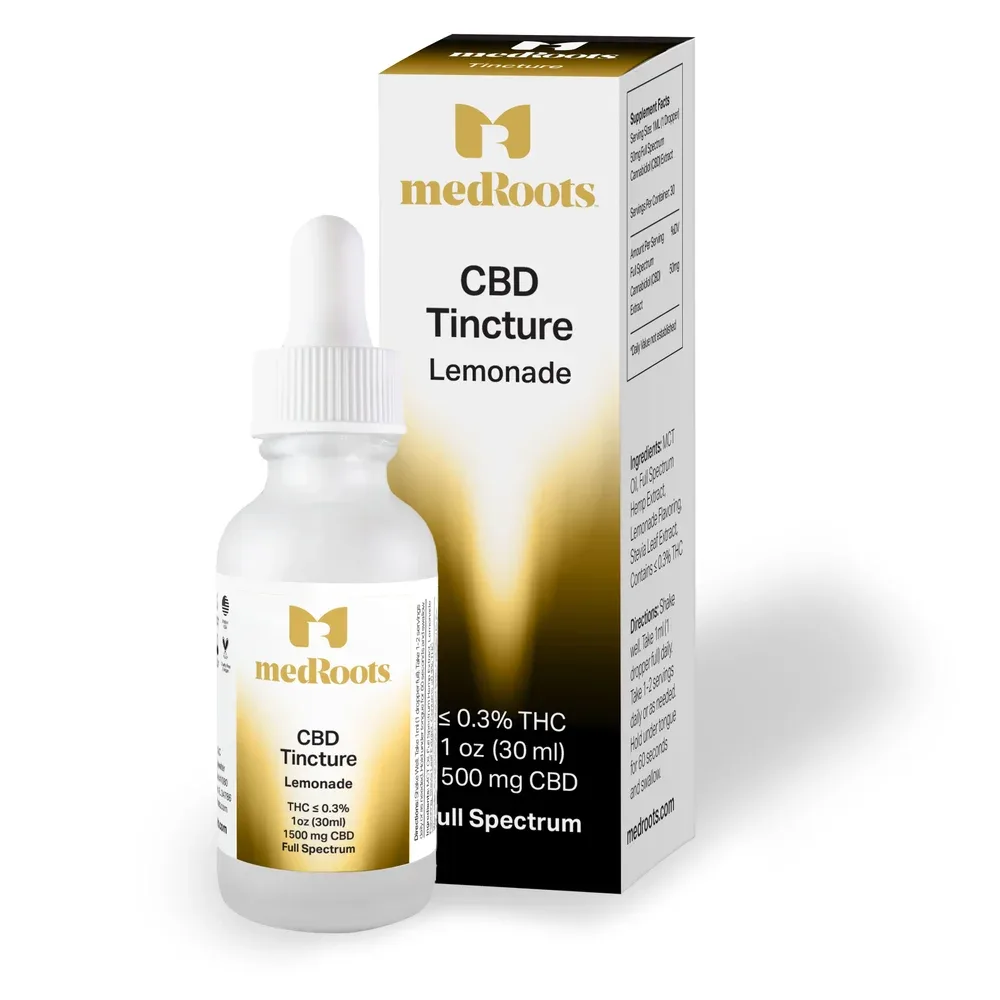
Lemonade Full Spectrum CBD Tincture, 1,500 mg
Tincture · 1,500 mg CBD
20% off your first order at MedRoots
$59.95$0.040/mgBuy at MedRoots (opens brand site)
The law in Washington DC
The District never wrote a hemp law. Its Uniform Controlled Substances Act defines cannabis as all parts of the plant genus Cannabis, covering both marijuana (the leaves, stems, flowers and seeds) and hashish (the resin and every compound or preparation made from it). Mature stalks, fiber, oil or cake pressed from the seeds and sterilized seed are left out of marijuana, but there is no exception for plants under 0.3 percent THC (D.C. Code 48-901.02).
Commercial cannabis therefore lives inside the medical cannabis program, which the Alcoholic Beverage and Cannabis Administration (ABCA) licenses and the Alcoholic Beverage and Cannabis Board oversees. Under D.C. Code 7-1671.01(22), a business that sells, exchanges or delivers cannabis or cannabis products from a location in the District without an ABCA license as a cultivation center, retailer, internet retailer, manufacturer, courier or testing laboratory is an "unlicensed establishment."
- The District of Columbia Uniform Controlled Substances Act of 1981 takes effect, defining cannabis as all parts of the plant genus Cannabis.
- Initiative 59, the medical marijuana measure approved by voters in 1998, becomes D.C. Law 13-315.
- D.C. Law 20-153 takes effect, making possession of up to 2 ounces of marijuana lawful for adults 21 and older while sales stay unlawful.
- D.C. Law 22-243 adds synthetic cannabinoids to Schedule I as a class.
- Initiative 81, the Entheogenic Plant and Fungus Policy Act of 2020, takes effect.
- The Office of the Attorney General concludes that CBD, including CBD from hemp, is cannabis under District law.
- The Medical Cannabis Amendment Act of 2022 takes effect, with self-certification at 21 and fines for unlicensed sellers.
- The ABC Board may begin fining unlicensed establishments that sell cannabis.
- A Board cease-and-desist order says hemp-derived CBD and delta-8 THC cannot be sold without a medical cannabis license.
- The Medical Cannabis Clarification and Program Enforcement Amendment Act of 2024 takes effect.
- The federal limit of 0.4 mg total THC per container begins.
CBD and hemp products
ABCA's lawyers asked the Office of the Attorney General whether CBD is cannabis under the Controlled Substances Act. The Legal Counsel Division answered on April 28, 2021 (AL-21-222) that it is, even when drawn from hemp, because hemp comes from the same plant and nothing in District law carves it out. The memo adds that the 2018 federal farm bill neither changes that nor requires the District to allow hemp-derived CBD, and that the only limit it places on the District is that it may not restrict hemp moving through the District in interstate commerce.
The Board relied on that analysis in an August 28, 2024 cease-and-desist order against an unlicensed shop on Pennsylvania Avenue SE (Order No. 2024-596). It said that products containing cannabis, hemp-derived CBD, delta-8 THC or other substances derived from cannabis classified as hemp cannot be sold commercially in the District unless an appropriate medical cannabis license is obtained, and that whether a product counts as hemp under federal law is irrelevant.
We found no District statute or rule that creates a separate path for CBD foods, drinks, topicals or pet products, and no hemp product registration of the kind many states run.
- Full Spectrum CBD TincturescbdMD$0.011/mg
- CBD Softgels Extra StrengthNeurogan$0.013/mg
- CBD Isolate Gummies, 150mg, LemonLazarus Naturals$0.013/mg
- Multicannabinoid OilNuLeaf Naturals$0.028/mg
- CBD Oils 2000 mg: UnflavoredIrwin Naturals$0.034/mg
- CBD+Mushroom Gummies for WellnessCBDfx$0.037/mg
THCA and delta-8
District law does not name THCA or delta-8 THC in its cannabis definitions; both reach the market only as cannabis under the reading above. The 2024 order described a vape labeled as whole flower hemp oil with THCA, stating under 0.3 percent THC and compliance with the federal farm bill, and still called it cannabis that an unlicensed business could not sell. A delta-9 or total THC figure on the label does not change the answer.
Synthetic cannabinoids are banned outright. Since March 13, 2019, D.C. Law 22-243 has listed synthetic cannabimimetic agents, also called synthetic cannabinoids, as a class in Schedule I under D.C. Code 48-902.04, unless the FDA has approved one as a drug. The current text of section 7-1671.08 also counts selling a Schedule I substance as an imminent danger that allows summary closure of an unlicensed establishment.
Licensed sellers, fines and closures
Beginning January 31, 2024, D.C. Code 7-1671.08(f) lets the Board fine an unlicensed establishment that sells or delivers cannabis outside the program: $10,000 and a remediation plan for a first violation, $20,000 for a second and $30,000 for each one after that, with another $10,000 for a missing or rejected plan. The Board may still order a cease-and-desist or a closure for a first violation.
ABCA may inspect an unlicensed establishment's premises, inventory and records. Selling to anyone under 21, selling cannabis no licensed laboratory has checked once one is licensed, or selling products missing a label with the source, contents, ingredients and THC content are among the grounds for padlocking without a prior hearing, and in a Board proceeding a label stating that a product contains cannabis or THC is presumed accurate unless the seller proves otherwise.
Adults 21 and older and the medical program
Under D.C. Code 48-904.01, adults 21 and older may possess, use, buy or transport up to 2 ounces of marijuana, give up to 1 ounce to another adult without payment, and grow up to six plants at home, three of them mature. The same section says none of this makes it lawful to sell marijuana, and marijuana offered for sale remains a controlled substance.
Purchases happen through the medical cannabis program. Since the Medical Cannabis Amendment Act of 2022 took effect on March 22, 2023, residents 21 and older may self-certify on an ABCA form instead of getting a written recommendation from a practitioner, and a visitor not enrolled in another program may register for a temporary card, for a period the Board sets between 3 days and one year (D.C. Code 7-1671.01, 7-1671.02 and 7-1671.05).
Kratom, kava, amanita and spores
The District's Schedule I rule, 22-B DCMR 1201.1, lists 7-hydroxymitragynine, tagged "(Kratom)", among its unclassified novel psychoactive substances; the rule was last amended in a final rulemaking published January 26, 2018. It does not name mitragynine or the kratom leaf, and we found no District statute that sets an age limit, labels or registration for kratom products.
Initiative 81, the Entheogenic Plant and Fungus Policy Act of 2020, took effect on March 16, 2021. It tells the Metropolitan Police Department to make the investigation and arrest of people 18 and older for non-commercial planting, cultivating, buying, transporting, distributing, possessing or engaging in practices with plants and fungi that naturally contain ibogaine, dimethyltryptamine, mescaline, psilocybin or psilocyn as among its lowest enforcement priorities, and it calls on the District's Attorney General and the United States Attorney to stop prosecuting residents for those activities. Psilocybin and psilocyn stay in Schedule I, and the act leaves commercial activity out.
Neither Schedule I in D.C. Code 48-902.04 nor the Schedule I rule names kava, amanita muscaria, muscimol or ibotenic acid, and we found no District statute naming mushroom spores.
The federal change on December 11
From December 11, 2026, federal law counts total THC including THCA and caps a finished hemp-derived cannabinoid product at 0.4 mg per container. Because District law already counts hemp products as cannabis, the federal change narrows what qualifies as hemp nationally without opening a hemp market here. Read the federal page and What's changing on December 11.
Common questions
Is THCA legal in Washington DC?
Only through the licensed medical cannabis market. District law has no hemp exception and does not judge a product by its delta-9 or total THC: the Attorney General reads anything drawn from the cannabis plant, hemp included, as cannabis, and the Alcoholic Beverage and Cannabis Board applied that reading in 2024 to a THCA vape labeled as hemp under 0.3 percent THC. A business without an ABCA license that sells such a product is an unlicensed establishment.
Is CBD legal in Washington DC?
Not as an ordinary retail product. In an April 28, 2021 legal analysis for the agency now called ABCA, the Office of the Attorney General concluded that CBD is cannabis under the District's Controlled Substances Act even when it comes from hemp, because hemp is the same plant and District law does not carve it out. The Board has since said hemp-derived CBD may not be sold commercially without a medical cannabis license.
Is delta-8 legal in Washington DC?
The Board's 2024 cease-and-desist order names delta-8 THC derived from hemp alongside hemp CBD as cannabis that cannot be sold without a medical cannabis license. Separately, synthetic cannabinoids have been a Schedule I class in D.C. Code 48-902.04 since March 13, 2019, unless the FDA has approved one as a drug.
Can adults 21 and older buy cannabis in DC?
Adults 21 and older may possess up to 2 ounces of marijuana and give up to 1 ounce to another adult without payment, but District law does not make it lawful to sell it. Purchases happen in the medical cannabis program, where residents 21 and older may self-certify on an ABCA form instead of getting a practitioner's recommendation, and visitors not enrolled elsewhere may register for a temporary card lasting between 3 days and one year.
Is kratom legal in Washington DC?
The District's Schedule I rule, 22-B DCMR 1201.1, lists 7-hydroxymitragynine, with the label (Kratom), among its unclassified novel psychoactive substances. The rule does not name mitragynine or the kratom leaf, and we found no District statute that sets an age limit, labels or registration for kratom products.
What does Initiative 81 do?
The Entheogenic Plant and Fungus Policy Act of 2020, in force since March 16, 2021, directs the Metropolitan Police Department to make investigating and arresting people 18 and older for non-commercial activity with plants and fungi containing ibogaine, dimethyltryptamine, mescaline, psilocybin or psilocyn among its lowest enforcement priorities. It does not remove those substances from Schedule I, and it does not cover commercial sales.
Change log
- Page published.
Every change to every laws page is on the hemp law tracker.
Sources
- D.C. Code 48-901.02, Controlled Substances Act definitions, including cannabis, marijuana and hashish, Council of the District of Columbia, D.C. Law LibraryStatute
- D.C. Code 48-902.04, Schedule I, Council of the District of Columbia, D.C. Law LibraryStatute
- D.C. Code 48-904.01, prohibited acts A and adult possession of marijuana, Council of the District of Columbia, D.C. Law LibraryStatute
- D.C. Code 7-1671.01, medical cannabis definitions, including unlicensed establishment, Council of the District of Columbia, D.C. Law LibraryStatute
- D.C. Code 7-1671.02, use of medical cannabis and self-certification, Council of the District of Columbia, D.C. Law LibraryStatute
- D.C. Code 7-1671.05, medical cannabis program and the self-certification form, Council of the District of Columbia, D.C. Law LibraryStatute
- D.C. Code 7-1671.08, fines, summary closure and labeling presumption for unlicensed establishments, Council of the District of Columbia, D.C. Law LibraryStatute
- D.C. Law 22-243, Revised Synthetics Abatement and Full Enforcement Drug Control Amendment Act of 2018, Council of the District of Columbia, D.C. Law LibrarySession law
- D.C. Law 23-268, Initiative 81, Entheogenic Plant and Fungus Policy Act of 2020, Council of the District of Columbia, D.C. Law LibrarySession law
- D.C. Law 24-332, Medical Cannabis Amendment Act of 2022, Council of the District of Columbia, D.C. Law LibrarySession law
- D.C. Law 25-255, Medical Cannabis Clarification and Program Enforcement Amendment Act of 2024, Council of the District of Columbia, D.C. Law LibrarySession law
- 22-B DCMR 1201, Schedule I enumerated, Office of the Secretary of the District of Columbia, DC Municipal RegulationsRegulation
- Legal Analysis: Whether CBD Is Cannabis (AL-21-222), April 28, 2021, Office of the Attorney General for the District of Columbia, published by ABCAAG opinion
- Capitol Budz, cease and desist, Case No. 24-ULC-00021, Order No. 2024-596 (August 28, 2024), Alcoholic Beverage and Cannabis BoardAgency guidance
Each source was last read on November 12, 2026. Laws and rules change; check the source for the current text.