As of , THCA counts as THC in Vermont, so a hemp product over 0.3 percent total THC, 1.5 mg a serving or 10 mg a package is presumed prohibited unless it is a registered cannabis product.
Updated
We review these pages weekly and when laws change, but they aren't exhaustive and aren't legal advice. Laws change and we can make mistakes, so always check official sources before you buy, sell or travel.
Quick answer
- Who regulates hemp
- The Cannabis Control Board, since Act 178 took effect on June 18, 2026; it licenses processors and registers products (7 V.S.A. 852 to 858)Session law
- Hemp lines
- A product over 0.3 percent total THC, 1.5 mg THC a serving or 10 mg a package (unless CBD to THC is at least 20 to 1) is presumed prohibited outside the cannabis market (CCB Rule 2.17.2)Regulation
- Product registration
- Every hemp-derived product with more than 0.4 mg THC, or expected to have it, is registered with the Board before sale in Vermont, $75 a year (7 V.S.A. 854, 858)Statute
- Delta-8
- Delta-8, delta-10 and other THC isomers made by chemical conversion are prohibited unless registered and sold as cannabis products (CCB Rule 2.17)Regulation
- Kratom
- Mitragynine and 7-hydroxymitragynine are listed as hallucinogenic drugs in the Department of Health's Regulated Drug RuleRegulation
What this means for products
- From December 11, 2026, products over the federal limit on THC per container leave this shop: 164 products today, mostly gummies and tinctures.
- This site lists no kratom products.
- This site lists no psilocybin products.
- In the shop here: tinctures, gummies and chews, capsules, topicals, pet products and mushroom products, deals first below.
On sale now
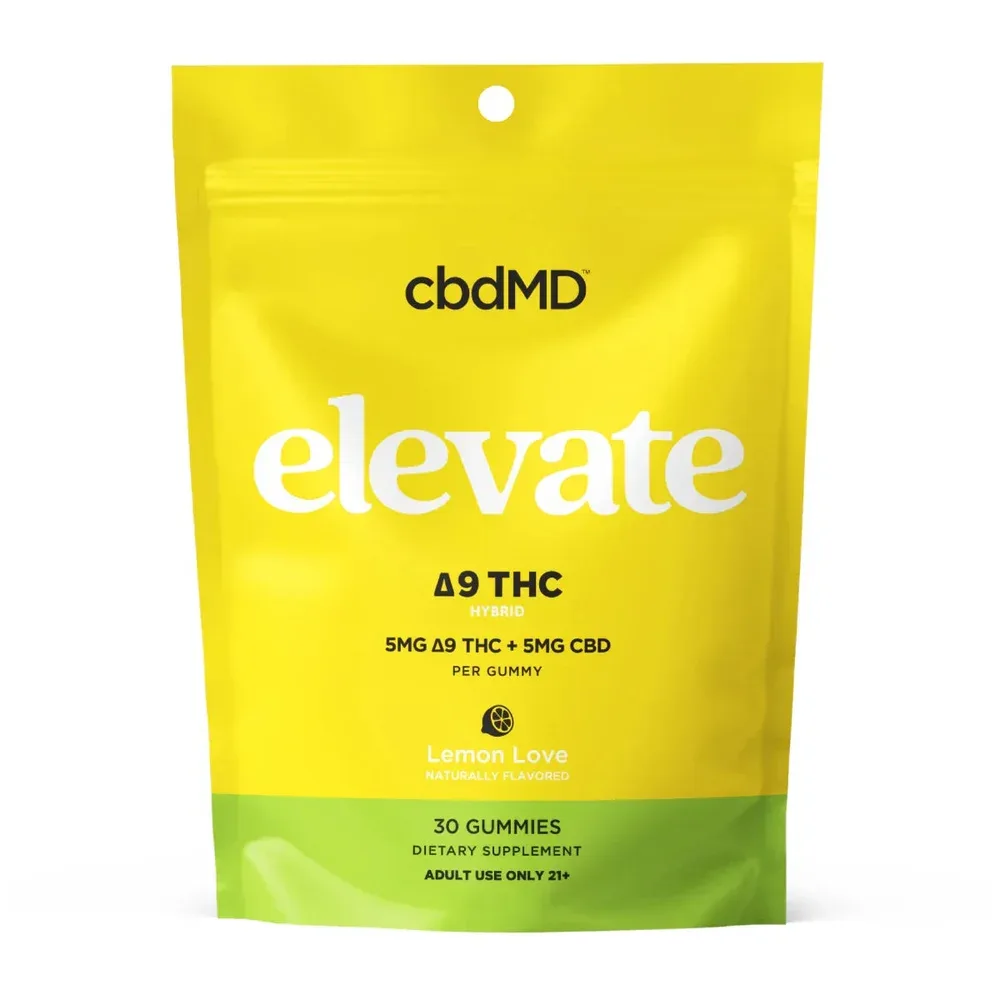
cbdMD
Delta 9 THC Elevate Gummies
Gummy · 2 g
Sale
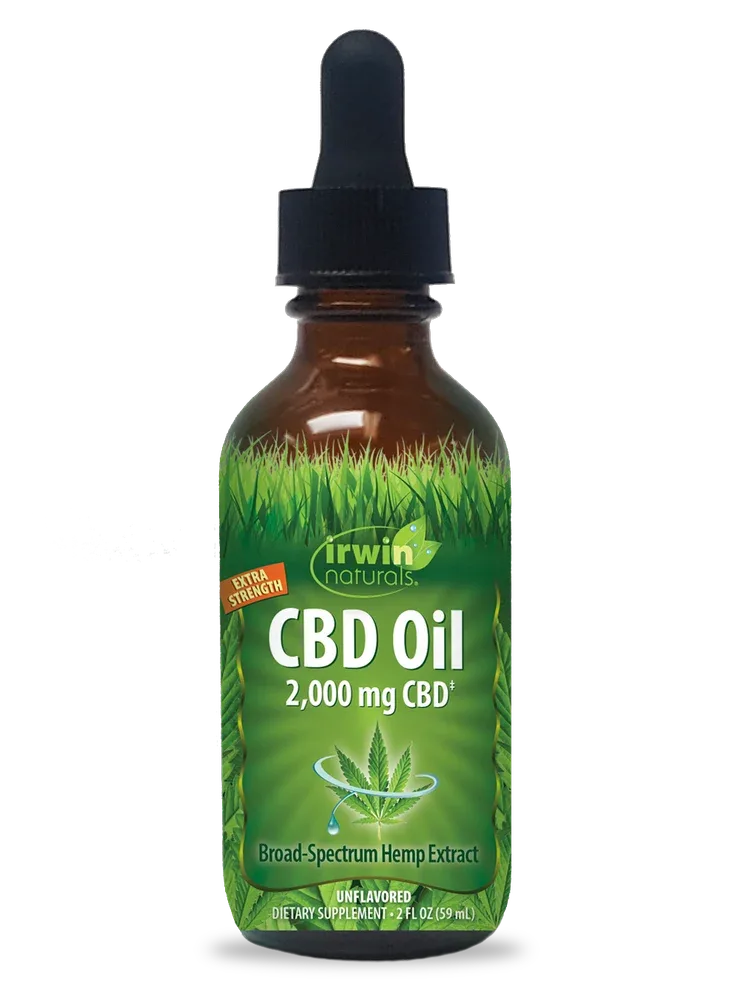
Sale price $14.99Buy at cbdMD (opens brand site)was $49.99Irwin Naturals
CBD Oils 2000 mg: Unflavored
Tincture · 2,000 mg CBD
50% off
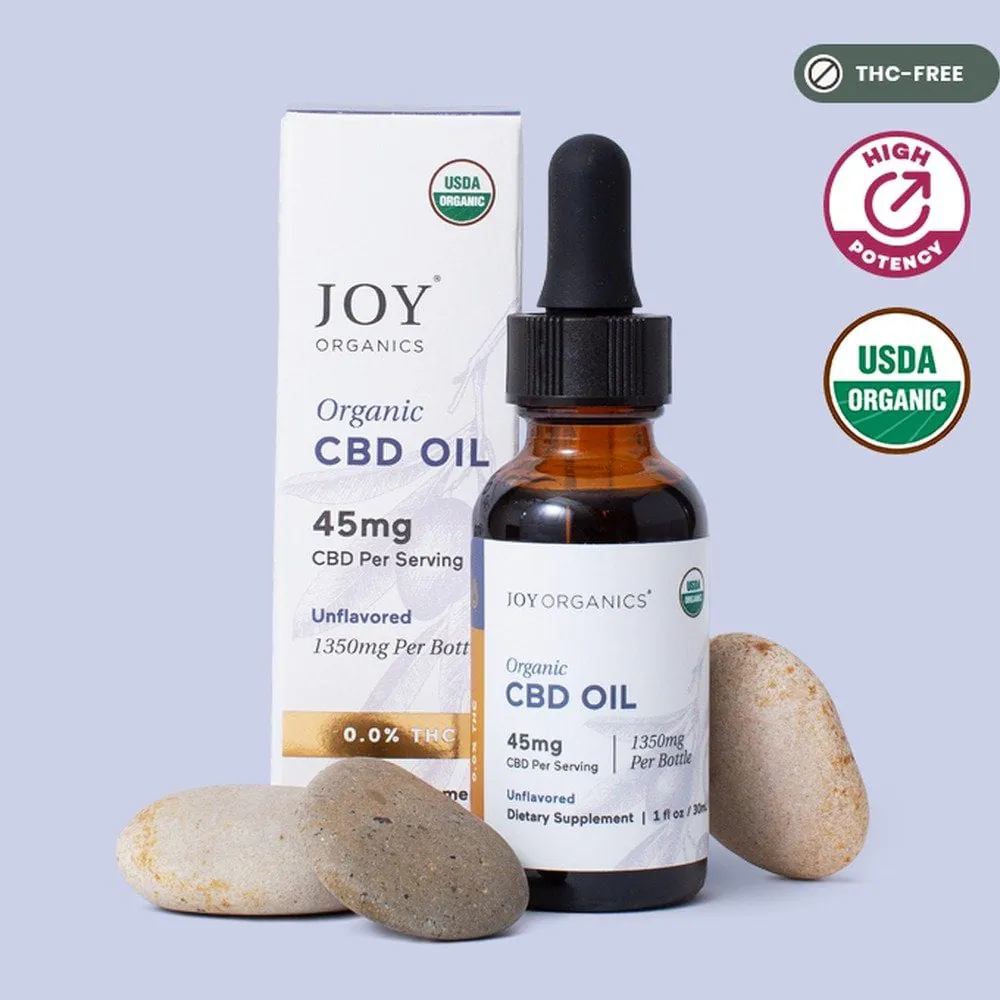
Sale price $34.50Buy at Irwin Naturals (opens brand site)was $68.99$0.017/mgJoy Organics
Organic THC-Free CBD Tincture (Unflavored)
Tincture · 1,350 mg CBD
30% off with code
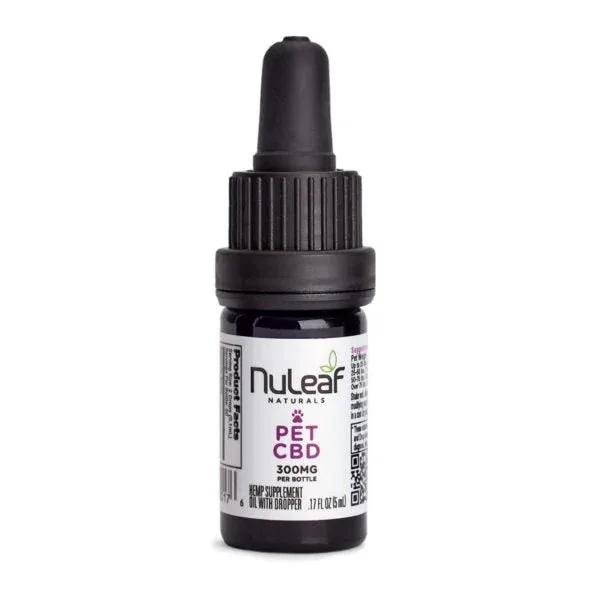
Price with code $48.97Buy at Joy Organics (opens brand site)was $69.95with code THCBAN30$0.036/mgNuLeaf Naturals
Pet CBD Oil, 300 mg
Tincture · 300 mg CBD
25% off
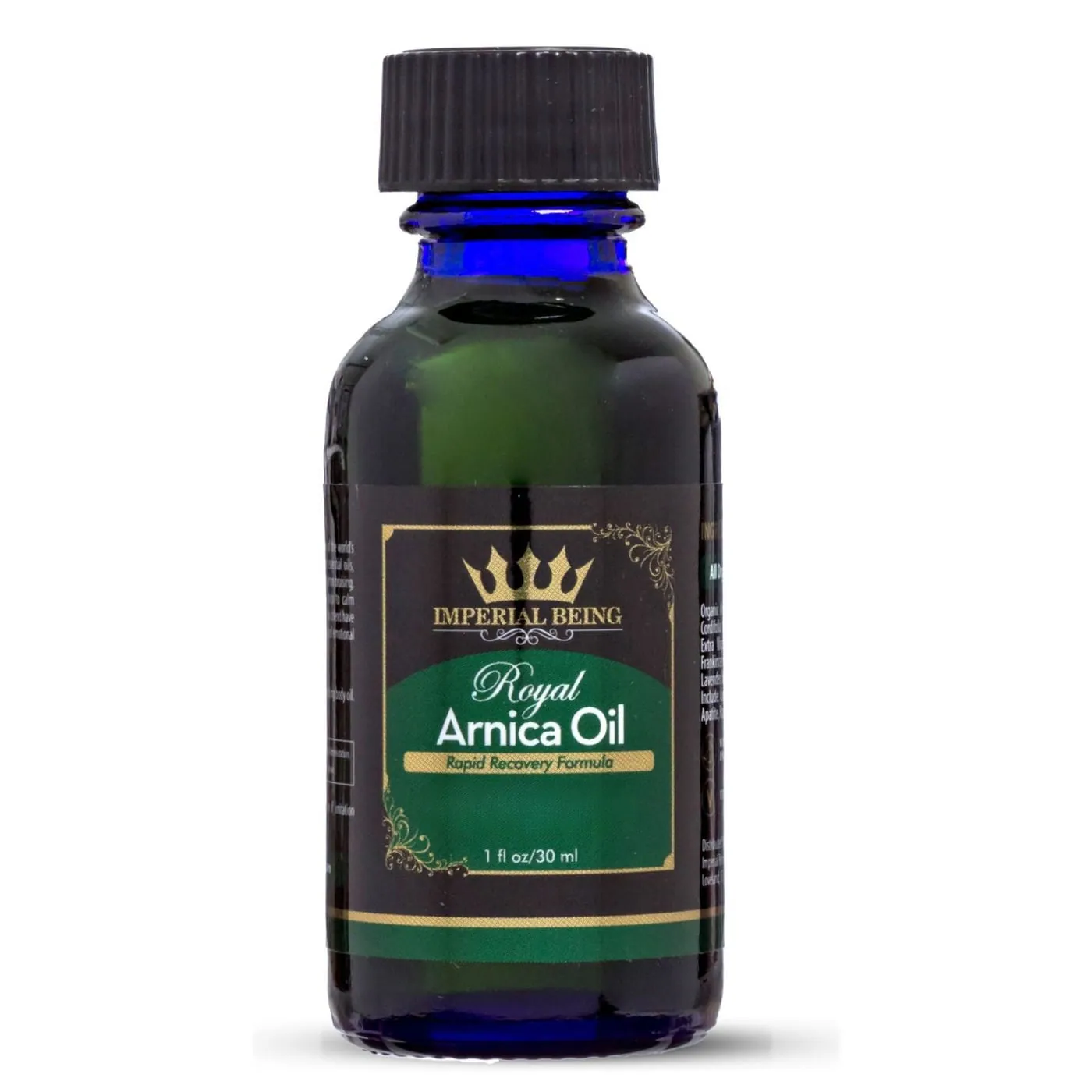
Sale price $21.20Buy at NuLeaf Naturals (opens brand site)was $28.27$0.071/mgImperial Being
Royal Arnica Oil, 1 fl oz
Oil · 1 fl oz
15% off with code
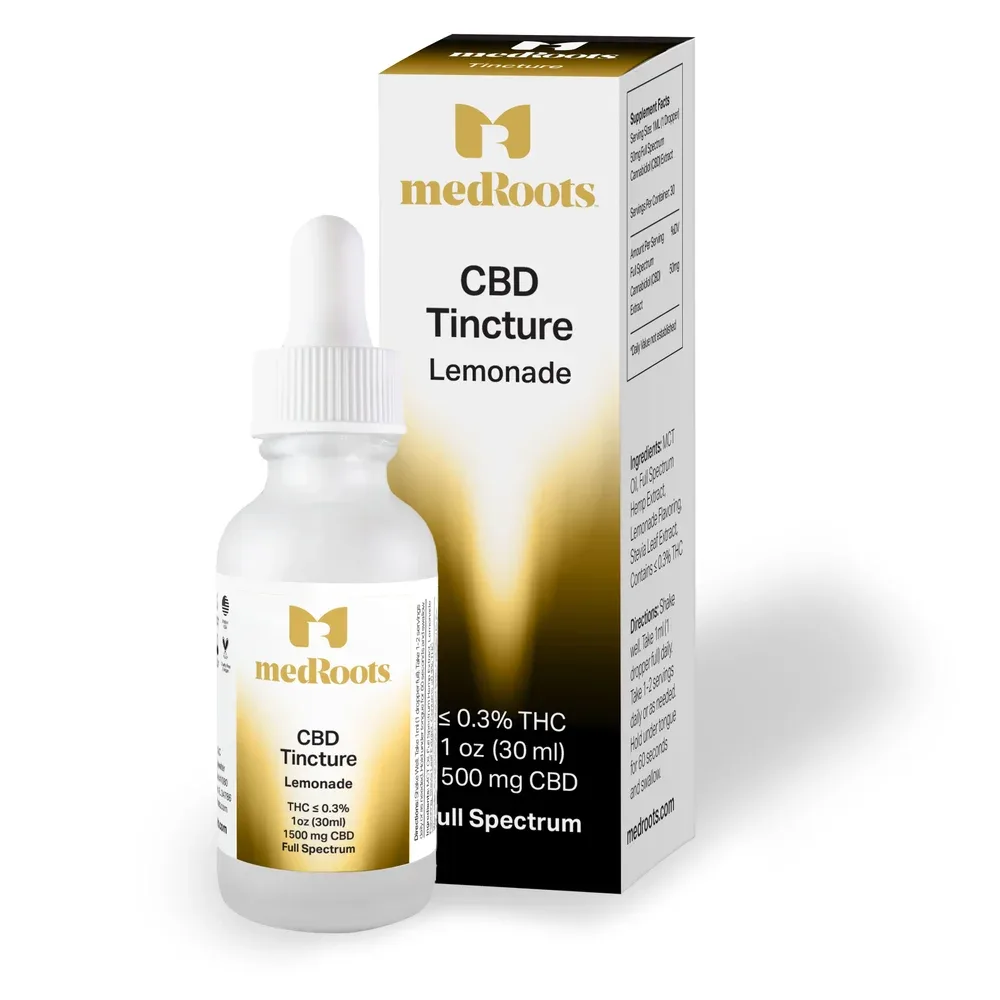
Price with code $21.24Buy on Amazon (opens in a new tab)was $24.99with code CWM15OFF$21.24/ozMedRoots
Lemonade Full Spectrum CBD Tincture, 1,500 mg
Tincture · 1,500 mg CBD
20% off your first order at MedRoots
$59.95$0.040/mgBuy at MedRoots (opens brand site)
The law in Vermont
Vermont rewrote its hemp law in 2026. Act 178, signed on June 18, 2026 and in force on passage for its hemp sections, repealed the old hemp chapter in Title 6, which the Agency of Agriculture had run, and placed a new hemp subchapter in Title 7 under the Cannabis Control Board, the agency that already oversees the adult-use cannabis market. The act's own findings say its purpose is to bring cannabis and hemp-derived cannabinoids under one regulator while keeping a path open for nonintoxicating hemp products.
Vermont does not set its own THC number in the hemp definition. Under 7 V.S.A. 852, hemp and hemp products are the plant and its derivatives "with the federally defined tetrahydrocannabinol concentration level of hemp," so the state definition moves with federal law. A hemp-derived product the Board prohibits or deems a regulated cannabis product by rule, or one that is not lawful in interstate commerce, is not a hemp product at all: the statute calls it a cannabis product.
- The current version of the Department of Health's Regulated Drug Rule, listing mitragynine and 7-hydroxymitragynine as hallucinogenic drugs, takes effect.
- H.416, a bill to register and regulate kratom products, is referred to the House Committee on Human Services; no later action follows.
- The Cannabis Control Board's current Rule 2 takes effect, including section 2.17 on synthetic and hemp-derived cannabinoids.
- The Department of Health's Manufactured Food Rule takes effect, barring THC from licensed food processors.
- The Governor signs Act 178, which repeals the hemp chapter in Title 6 and moves hemp oversight to the Cannabis Control Board on passage.
- The federal limit of 0.4 mg total THC per container begins.
THCA and the cannabis line
The Board's working limits sit in Rule 2, section 2.17, in force since July 15, 2025. A product that is not cannabis is presumed prohibited if, in the form sold, it holds more than 0.3 percent total THC on a dry weight basis, more than 1.5 mg THC in a serving, or more than 10 mg total THC in a package, unless its ratio of CBD to THC is at least 20 to 1. The same presumption covers a hemp product mixed with beverage alcohol and one whose dominant market appeal is mimicking THC intoxication.
THCA is counted. Rule 2.9.2 has the labs report potency as total theoretical THC, delta-9 THC plus 0.877 times the THCA, and the Board's hemp page calls the idea that THCA is not THC "legally wrong." THCA flower or a THCA concentrate above those lines can only reach a Vermont buyer as a registered cannabis product, sold by a licensed cannabis establishment, which 7 V.S.A. 866 bars from selling to anyone under 21.
- Full Spectrum CBD TincturescbdMD$0.011/mg
- CBD Softgels Extra StrengthNeurogan$0.013/mg
- CBD Isolate Gummies, 150mg, LemonLazarus Naturals$0.013/mg
- Multicannabinoid OilNuLeaf Naturals$0.028/mg
- CBD Oils 2000 mg: UnflavoredIrwin Naturals$0.034/mg
- CBD+Mushroom Gummies for WellnessCBDfx$0.037/mg
Delta-8 and other converted THC
Section 2.17.1 lists the cannabinoids the Board prohibits: every isomer, variant, analog and mimetic of delta-9 THC, delta-8 and delta-10 included, that is created by chemical manipulation of any part of the cannabis plant, whatever the THC level of the hemp it came from. It also bars delta-9 THC concentrated from hemp and then sprayed or infused into a product so as to make it intoxicating. 7 V.S.A. 862a gives the Board its authority over synthetic and hemp-derived cannabinoids.
The rule allows a few exceptions. A product the Board has evaluated, registered and taxed as a cannabis product may be sold through the licensed market, and a product prohibited only because its delta-9 THC exceeds the serving or package limits may be made and moved for lawful export to a state where it may be sold.
Licenses, registration and shipping
Under 7 V.S.A. 854, every hemp grower registers with the Board, every processor, including anyone trading in hemp-derived cannabinoids, holds a Board license, and every hemp-derived product containing, or reasonably expected to contain, more than 0.4 mg THC must be registered before it is sold to any person in Vermont. Section 858 sets the yearly fees at $50 for a producer, $500 for a processor and $75 for each product. The Board may set by rule when a registered product over 0.4 mg THC is limited to buyers 21 and older; its rules page still lists only Rules 1 to 4, effective July 15, 2025, and we found no rule adopted under the new hemp subchapter.
Online sales carry their own penalty. 7 V.S.A. 834 bars anyone from shipping unregistered hemp or cannabis bought by mail, phone or the internet to anyone in Vermont other than a licensed Vermont cannabis laboratory. A knowing violation is punishable by up to five years in prison or a $5,000 fine, the Attorney General may seek up to $5,000 for each shipment, and a violation is also an unfair trade practice under the Consumer Protection Act.
CBD in food
Vermont's statute lists food for people and animals among hemp products, with CBD named as an example of a hemp-derived cannabinoid. The Department of Health's Manufactured Food Rule, effective January 15, 2026, addresses THC rather than CBD: section 5.4 says a Department food processor license does not permit making, adding, using, storing or handling THC or products containing THC, and that a licensed processor must keep its food physically apart from any area holding THC. Rule 2.17 separately presumes a hemp product prohibited when it contains beverage alcohol, including a cocktail made at a bar or restaurant.
Kratom, kava, amanita and spores
Kratom is a regulated drug in Vermont. The Department of Health's Regulated Drug Rule, adopted under 18 V.S.A. 4201 and 4202, lists both mitragynine and 7-hydroxymitragynine in its section on hallucinogenic drugs, and 18 V.S.A. 4235 makes it an offense to knowingly possess, dispense or sell a hallucinogenic drug. H.416 of 2025 would have replaced that approach with a registry of kratom products, labels and an age limit, but its docket shows only its referral to the House Committee on Human Services on February 27, 2025.
The same rule lists psilocybin and psilocin. H.452 of 2025, which would decriminalize psilocybin-containing mushrooms, was referred to the House Committee on Human Services on February 28, 2025 and shows no later action. We found no Vermont statute or rule naming mushroom spores, kava, or amanita muscaria and its compounds muscimol and ibotenic acid.
The federal change on December 11
From December 11, 2026, the federal definition counts total THC including THCA and limits a finished hemp-derived cannabinoid product to 0.4 mg per container. Vermont's definitions follow the federal THC level, and under 7 V.S.A. 852 a hemp-derived product that is not lawful in interstate commerce counts as a cannabis product. Read the federal page and What's changing on December 11.
Common questions
Is THCA legal in Vermont?
Only within the hemp lines, or as a registered cannabis product. The Cannabis Control Board's Rule 2.17.2 presumes a product prohibited when it holds more than 0.3 percent total THC on a dry weight basis, more than 1.5 mg THC a serving or more than 10 mg a package, and the Board's labs compute total THC as delta-9 THC plus 0.877 times the THCA. The Board's own hemp page says THCA counts as THC. A THCA product past those lines can be sold only as a cannabis product registered with the Board, in a licensed cannabis store, to adults 21 and older.
Is CBD legal in Vermont?
Yes. Vermont law defines a hemp product to include food, cosmetics, personal care products and any product containing a hemp-derived cannabinoid such as cannabidiol, as long as it stays within the federal THC level for hemp. Since June 18, 2026, a hemp-derived product with more than 0.4 mg THC, or reasonably expected to have it, must be registered with the Cannabis Control Board before it is sold to anyone in Vermont.
Is delta-8 legal in Vermont?
Not as a hemp product. CCB Rule 2.17 prohibits making, marketing and selling delta-8, delta-10 and other THC isomers created by chemical manipulation of the cannabis plant, whatever the THC level of the source hemp. The exceptions are a product the Board has evaluated, registered and taxed as a cannabis product, and a product made only for lawful export to a state where it may be sold.
Is kratom legal in Vermont?
No. The Department of Health's Regulated Drug Rule lists mitragynine and 7-hydroxymitragynine among the hallucinogenic drugs, and 18 V.S.A. 4235 sets the penalties for knowingly possessing, dispensing or selling a hallucinogenic drug. H.416 of 2025, which would have set up a kratom product registry with an age limit, was referred to the House Committee on Human Services on February 27, 2025 and saw no further action.
Can hemp products be shipped to Vermont?
A registered product, yes. Under 7 V.S.A. 834, added by Act 178, no one may ship unregistered hemp or cannabis bought by mail, phone or online to anyone in Vermont but a licensed Vermont cannabis laboratory. A knowing violation can bring up to five years in prison or a $5,000 fine, and the Attorney General may seek a civil penalty of up to $5,000 for each shipment.
Change log
- Page published.
Every change to every laws page is on the hemp law tracker.
Sources
- 7 V.S.A. chapter 31, including subchapter 3, hemp (sections 851 to 858), and section 834, sales restrictions, Vermont General AssemblyStatute
- 7 V.S.A. chapter 33, cannabis establishments, including sections 862a, 866 and 881, Vermont General AssemblyStatute
- 6 V.S.A. chapter 34, hemp (repealed), Vermont General AssemblyStatute
- 18 V.S.A. 4235, hallucinogenic drugs, Vermont General AssemblyStatute
- Act 178 of 2026 (S.323), as enacted, Vermont General AssemblySession law
- Rule 2, Regulation of Cannabis Establishments, adopted text (effective July 15, 2025), Vermont Cannabis Control BoardRegulation
- Regulated Drug Rule, Vermont Department of HealthRegulation
- Manufactured Food Rule (effective January 15, 2026), Vermont Department of HealthRegulation
- Laws, rules and regulations, Vermont Cannabis Control BoardAgency guidance
- Understanding hemp in Vermont, Vermont Cannabis Control BoardAgency guidance
- H.416 (2025-2026), regulation of kratom products, bill status, Vermont General AssemblyBill text
- H.452 (2025-2026), psilocybin-containing mushrooms, bill status, Vermont General AssemblyBill text
Each source was last read on November 12, 2026. Laws and rules change; check the source for the current text.