Updated
We review these pages weekly and when laws change, but they aren't exhaustive and aren't legal advice. Laws change and we can make mistakes, so always check official sources before you buy, sell or travel.
Quick answer
- THC line
- Over 1 mg total THC a serving with up to 5 mg a container, or over 0.3% for flower, is a high-THC hemp product (CGS 21a-240(63))
- Where sold
- High-THC hemp products only at licensed cannabis establishments; 0.5 to 5 mg a container only there or at a DCP-registered vendor
- Minimum age
- 21 for moderate-THC hemp products and hemp flower, with ID checked at purchase and delivery (CGS 21a-426, 22-61o)
- Kratom
- Schedule I by DCP regulation, final on April 2, 2026, as Public Act 25-101 required (CGS 21a-243(i)(2))
What this means for products
- From December 11, 2026, products over the federal limit on THC per container leave this shop: 115 products today, mostly gummies and tinctures.
- This site lists no kratom products.
- In the shop here: tinctures, gummies and chews, capsules, topicals, pet products and mushroom products, deals first below.
On sale now
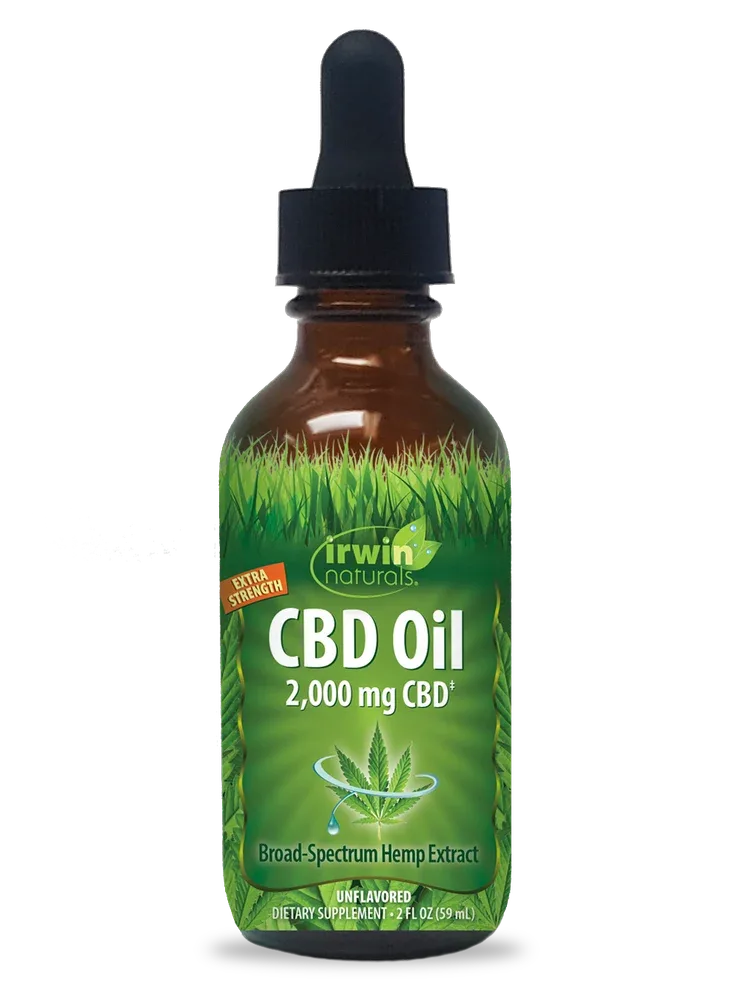
Irwin Naturals
CBD Oils 2000 mg: Unflavored
Tincture · 2,000 mg CBD
50% off
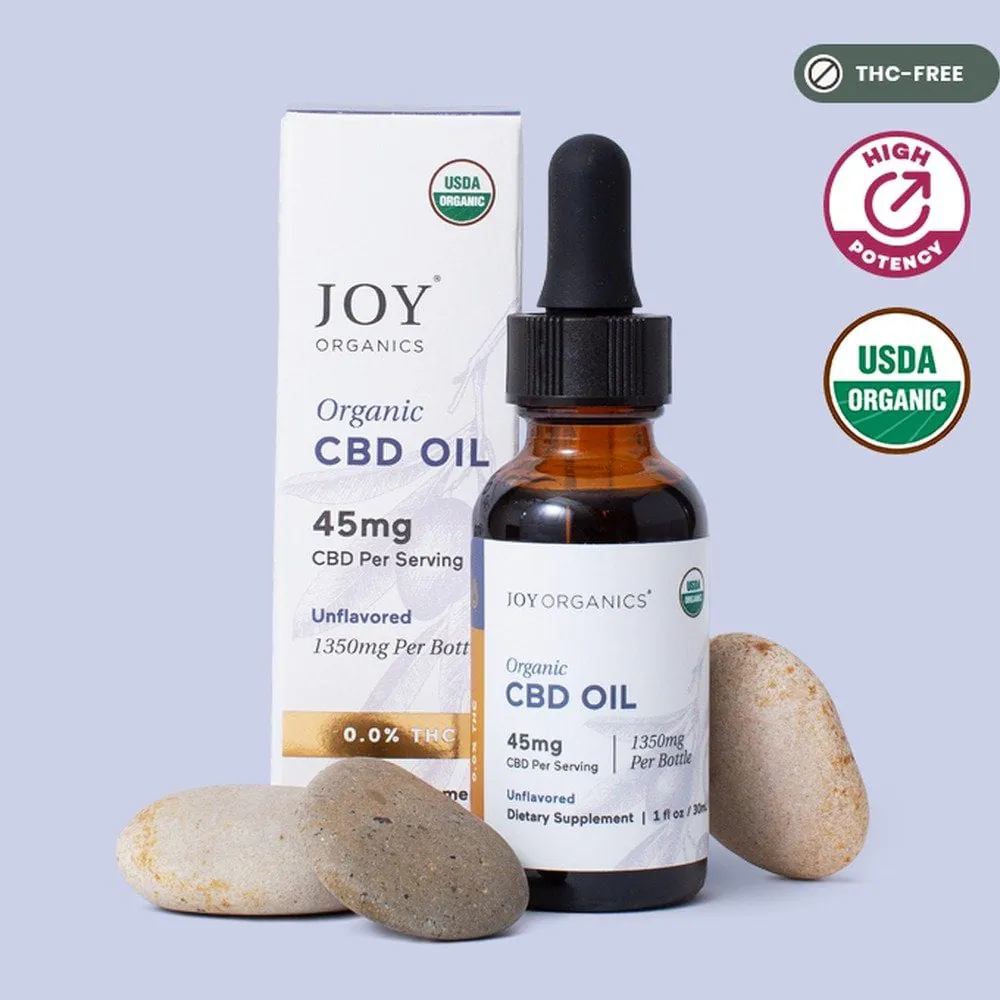
Sale price $34.50Buy at Irwin Naturals (opens brand site)was $68.99$0.017/mgJoy Organics
Organic THC-Free CBD Tincture (Unflavored)
Tincture · 1,350 mg CBD
30% off with code
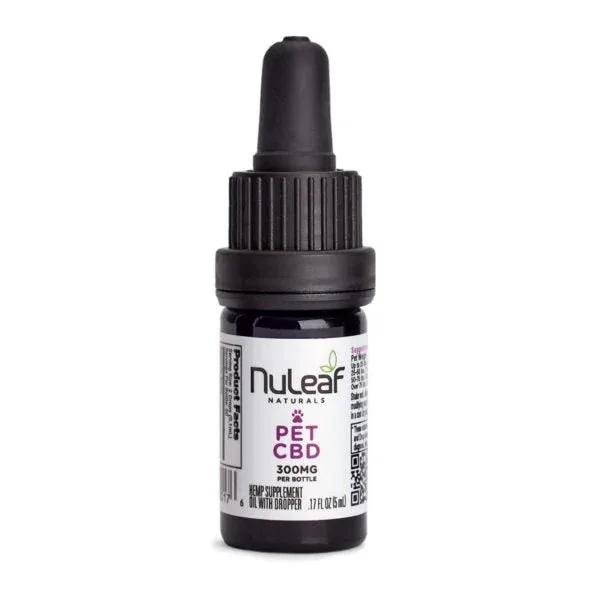
Price with code $48.97Buy at Joy Organics (opens brand site)was $69.95with code THCBAN30$0.036/mgNuLeaf Naturals
Pet CBD Oil, 300 mg
Tincture · 300 mg CBD
25% off
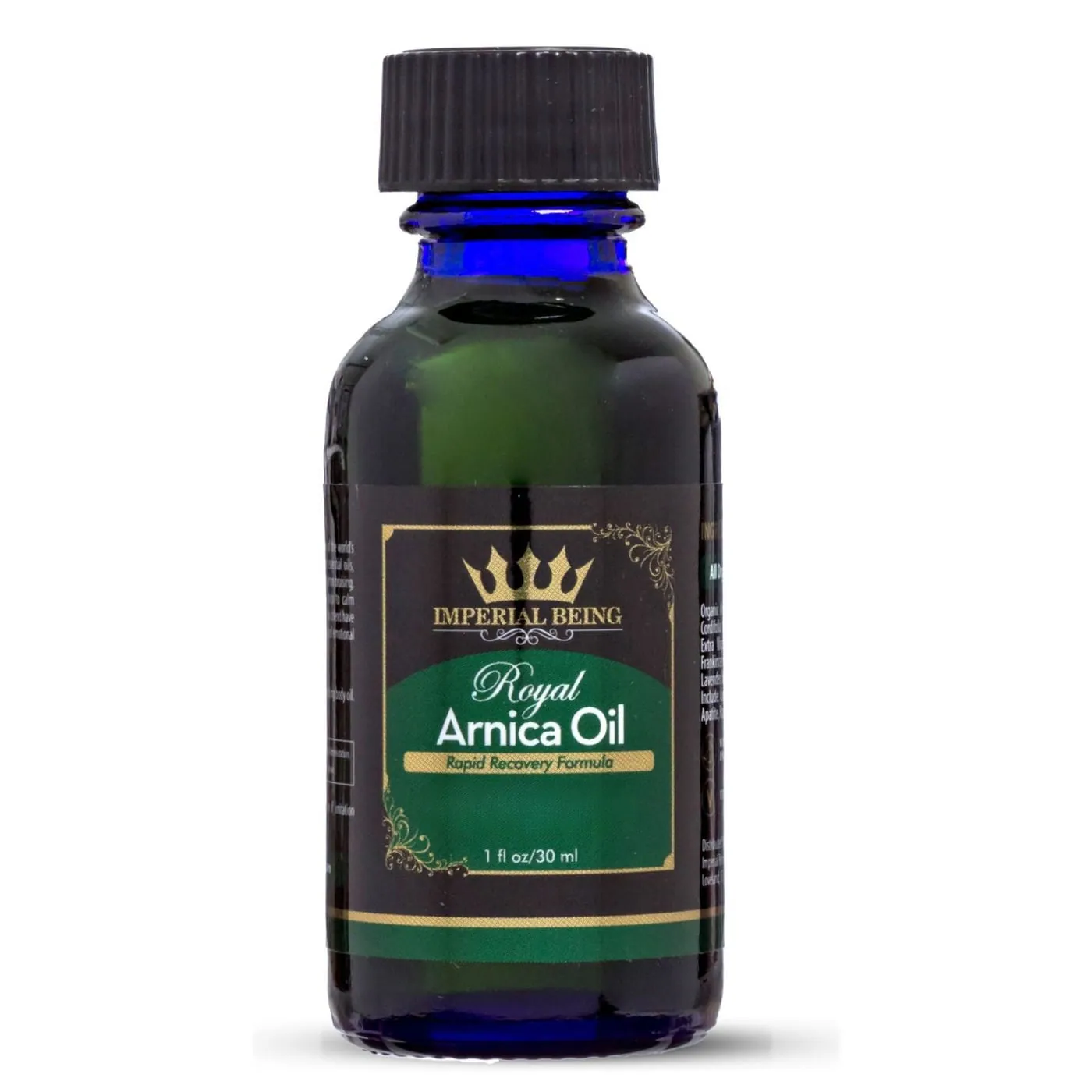
Sale price $21.20Buy at NuLeaf Naturals (opens brand site)was $28.27$0.071/mgImperial Being
Royal Arnica Oil, 1 fl oz
Oil · 1 fl oz
15% off with code
Price with code $21.24Buy on Amazon (opens in a new tab)was $24.99with code CWM15OFF$21.24/ozMedRoots
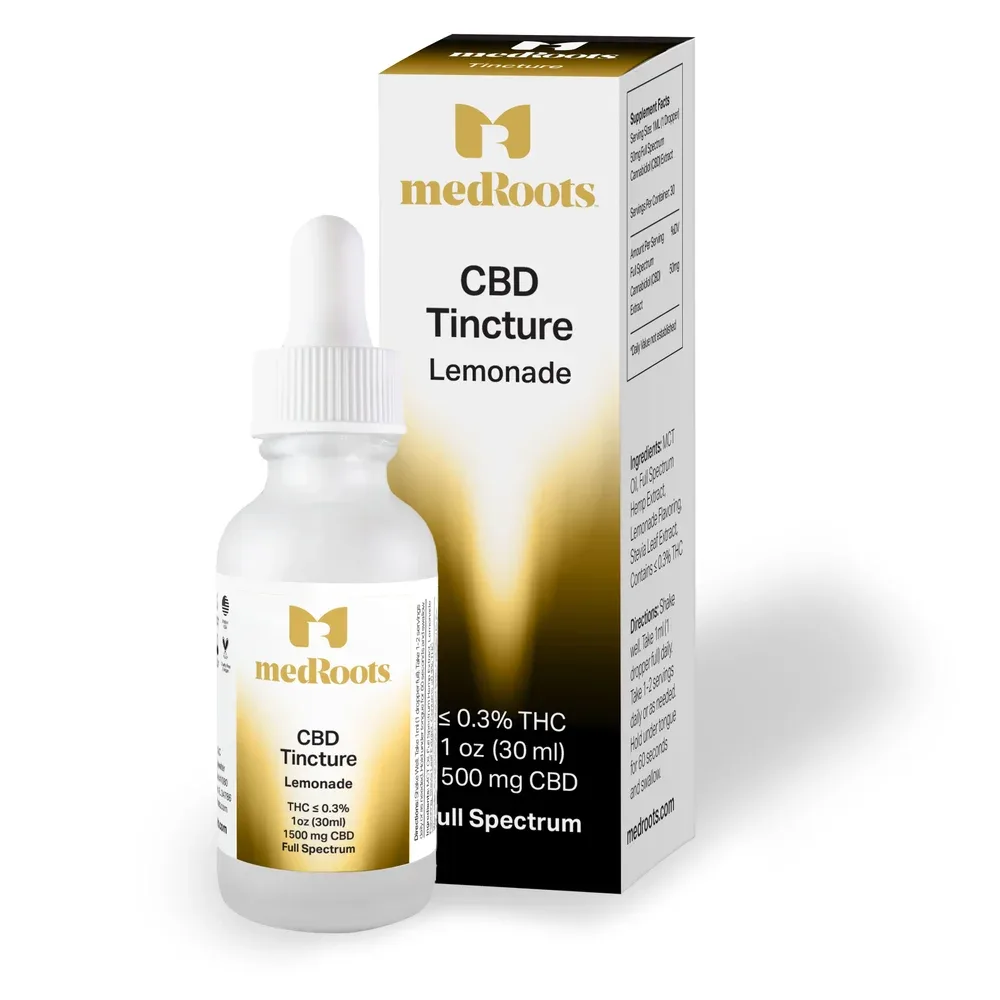
Lemonade Full Spectrum CBD Tincture, 1,500 mg
Tincture · 1,500 mg CBD
20% off your first order at MedRoots
$59.95$0.040/mgBuy at MedRoots (opens brand site)Psyched Wellness
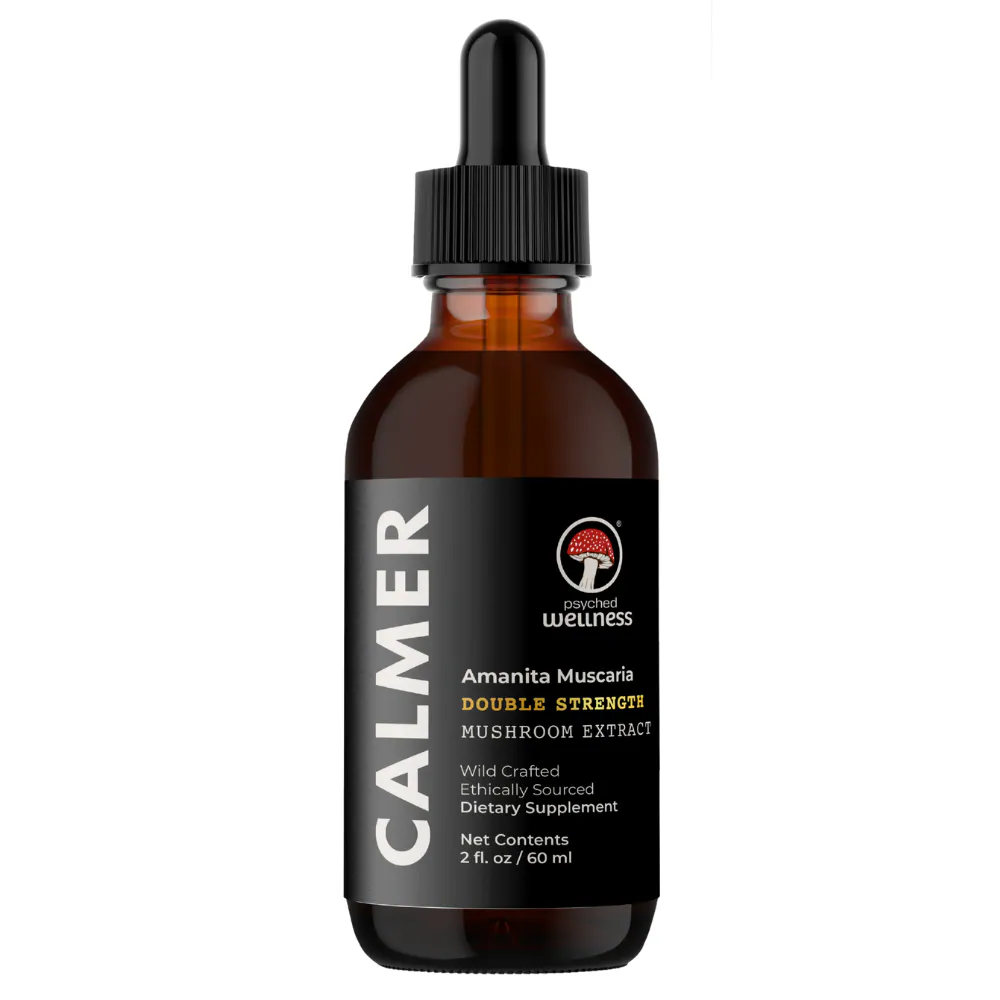
Calmer Amanita Muscaria Extract (Double Strength)
Tincture · 60 ml
$84.99$1.42/mlBuy at Psyched Wellness (opens brand site)
The law in Connecticut
Connecticut sorts hemp products by how much total THC they hold, and the Department of Consumer Protection, not the Department of Agriculture, runs the consumer side. Growers are licensed by the Commissioner of Agriculture under section 22-61l, but section 22-61m says no one may manufacture hemp products in the state without a license from the Commissioner of Consumer Protection. A manufacturer hemp product is anything made from hemp for people to eat, drink, inhale or absorb, other than an infused beverage.
Three tiers follow from that. Under section 21a-240(63), a manufacturer hemp product with more than 1 mg of total THC a serving with up to 5 mg a container, or more than 0.3 percent total THC for flower or trim, is a high-THC hemp product, and the cannabis definition in the same section counts every high-THC hemp product as cannabis. A product with 0.5 to 5 mg a container is a moderate-THC hemp product under section 21a-426. Below that sit ordinary manufacturer hemp products, such as most CBD oils and topicals.
- Public Act 19-3 takes effect, setting up Connecticut's hemp program.
- Public Act 23-79 adds the high-THC hemp product definition, moving those products under cannabis law.
- The high-THC line becomes 1 mg total THC a serving with up to 5 mg a container.
- Sellers of moderate-THC hemp products need a DCP certificate of registration.
- Public Act 25-101's hemp flower rules begin: age 21, ID checks and counter or locked storage.
- The regulation listing kratom and 7-hydroxymitragynine in Schedule I receives final approval.
- The federal limit of 0.4 mg total THC per container begins.
THCA, delta-8 and hemp flower
Section 21a-240 defines total THC as 87.7 percent of the THCA plus the THC, and defines THC to include delta-7, delta-8, delta-9 and delta-10 regardless of source. THCA and delta-8 both count toward every line, and section 22-61m bars any synthetic cannabinoid, a term the statute says includes HHC, from a manufacturer hemp product offered for sale in Connecticut or to a consumer here.
Public Act 25-101 added rules for hemp flower, meaning the flower of hemp and not its leaves or stem. Flower above 0.3 percent total THC is a high-THC hemp product. Flower at or under that line may be sold by a cannabis establishment or registered vendor to adults 21 and older, and section 22-61o lets anyone else sell it only in person from behind a counter or a locked case with staff help, or by delivery, website or mail order, checking a government ID at purchase and again on delivery.
Public Act 26-8 renames marijuana as cannabis throughout the statutes from October 1, 2026. Public Act 26-100 rewrote the cannabis definition again for the same date: it keeps every high-THC hemp product and manufactured cannabinoid inside it, and leaves out only hemp with no more than 0.3 percent total THC that is not a high-THC hemp product.
- CBD Softgels Extra StrengthNeurogan$0.013/mg
- CBD Isolate Gummies, 150mg, LemonLazarus Naturals$0.013/mg
- Multicannabinoid OilNuLeaf Naturals$0.028/mg
- CBD Oils 2000 mg: UnflavoredIrwin Naturals$0.034/mg
- CBD Gummies with Melatonin for SleepCBDfx$0.037/mg
- Lemonade Full Spectrum CBD Tincture, 1,500 mgMedRoots$0.040/mg
Age, licenses and labels
Since January 1, 2025, only a cannabis establishment or a moderate-THC hemp product vendor registered with the Department of Consumer Protection may sell moderate-THC hemp products at retail. The certificate costs $2,000 a year, or $1,000 for an active manufacturer, is tied to one retail location, and generally requires at least 85 percent of that location's monthly revenue to come from moderate-THC products and hemp flower. Sales to anyone under 21 are barred, and each container carries a symbol saying the product is not legal or safe for anyone under 21. Packages of ingestible products may hold no more than two containers. Civil penalties run up to $5,000 a violation.
High-THC hemp products follow the adult-use and medical cannabis rules: licensed laboratories, licensed cannabis establishments and buyers 21 and older or registered patients.
Labels on food, drinks and other ingestible manufacturer hemp products must carry a scannable code or link to an independent laboratory's certificate of analysis showing total THC, an expiration date where one applies, and notices about pregnancy, keeping the product away from children and FDA review. A product meant to be inhaled must warn that smoking or vaping is hazardous. Health claims are barred on manufacturer hemp products, moderate-THC products and hemp flower, and a violation is an unfair trade practice.
CBD in food and drinks
Section 22-61m says cannabidiol derived from hemp in a manufacturer hemp product is not a controlled substance or an adulterant. Since July 1, 2025, a manufacturer hemp product that is a food, drink, oil or anything else to be swallowed must come from hemp grown by a USDA-licensed producer under an approved state or tribal plan.
THC drinks are a separate category, the infused beverage, made by a manufacturer licensed by the Department of Consumer Protection and sold only to adults 21 and older. Public Act 26-8 raised the limit from 3 mg of total THC a container to 5 mg at package stores and 10 mg at dispensaries, hybrid retailers and retailers from October 1, 2026, and let a package hold up to 12 containers of at least 12 ounces.
Kratom, kava, amanita and spores
Public Act 25-101, effective June 24, 2025, added subsection (i)(2) to section 21a-243, directing the Commissioner of Consumer Protection to list 7-hydroxymitragynine and kratom, including its leaves, stem and any extracts, as controlled substances. The department says Regulation 2025-018 placed both in Schedule I, was approved by the Legislative Regulation Review Committee on February 24, 2026 and received final approval on April 2, 2026, and it told stores to pull those products.
We found no Connecticut statute naming kava, amanita muscaria or mushroom spores.
The federal change on December 11
From December 11, 2026, the federal definition counts total THC including THCA and limits a finished hemp-derived cannabinoid product to 0.4 mg per container. Read the federal page and What's changing on December 11.
Common questions
Is THCA legal in Connecticut?
Connecticut counts THCA: section 21a-240 defines total THC as 87.7 percent of the THCA plus the THC. Hemp flower or trim above 0.3 percent total THC on a dry weight basis is a high-THC hemp product, which only licensed cannabis establishments may sell. Hemp flower at or under that line may be sold only to adults 21 and older, and a seller that is not a registered vendor or cannabis establishment must keep it behind the counter or locked up, or sell it by delivery with ID checked at purchase and on delivery.
Is CBD legal in Connecticut?
Yes. Section 22-61m says cannabidiol derived from hemp in a manufacturer hemp product is not a controlled substance or an adulterant. The product must contain no synthetic cannabinoid, make no health claim, and, if it is eaten or drunk, come from hemp grown by a USDA-licensed producer and carry a code or link to its certificate of analysis. A product with 0.5 to 5 mg of total THC a container is a moderate-THC hemp product, sold only by a registered vendor or a cannabis establishment.
Is delta-8 legal in Connecticut?
Delta-8 counts as THC. Section 21a-240 defines THC to include delta-7, delta-8, delta-9 and delta-10 tetrahydrocannabinol regardless of source, so delta-8 counts toward the 0.5 mg, 1 mg and 5 mg lines. Synthetic cannabinoids such as HHC may not be in any manufacturer hemp product offered for sale in the state or to a Connecticut consumer.
Can THC drinks be sold in Connecticut?
As infused beverages, sold only to adults 21 and older. Until October 1, 2026 an infused beverage could hold no more than 3 mg of total THC a container. Public Act 26-8 raised that to 5 mg at package stores and 10 mg at dispensaries, hybrid retailers and retailers, with a testing variance of plus or minus 10 percent.
Is kratom legal in Connecticut?
No. Public Act 25-101, effective June 24, 2025, told the Commissioner of Consumer Protection to list kratom, including its leaves, stem and extracts, and 7-hydroxymitragynine as controlled substances. The department says Regulation 2025-018 made them Schedule I and received final approval on April 2, 2026.
Sources
- Connecticut General Statutes chapter 420b, section 21a-240, definitions, Connecticut General Assembly
- Connecticut General Statutes chapter 420b, section 21a-243 (2026 Supplement), Connecticut General Assembly
- Connecticut General Statutes chapter 424, hemp, sections 22-61l and 22-61m, Connecticut General Assembly
- Connecticut General Statutes chapter 424, sections 22-61m and 22-61o (2026 Supplement), Connecticut General Assembly
- Connecticut General Statutes chapter 420j, moderate-THC hemp products, section 21a-426, Connecticut General Assembly
- Connecticut General Statutes chapter 420j, section 21a-426 (2026 Supplement), Connecticut General Assembly
- Connecticut General Statutes chapter 420i, infused beverages (2026 Supplement), Connecticut General Assembly
- Public Act 25-101 summary, drug control and cannabis and hemp regulation, Connecticut General Assembly, Office of Legislative Research
- Public Act 26-8 (HB 5350), cannabis, hemp and infused beverage regulation, Connecticut General Assembly
- Public Act 26-8 summary, Connecticut General Assembly, Office of Legislative Research
- Public Act 26-100 (HB 5222), consumer protection and cannabis, Connecticut General Assembly
- Kratom update, October 2025, Connecticut Department of Consumer Protection
Each source was last read on November 12, 2026. Laws and rules change; check the source for the current text.