Updated
We review these pages weekly and when laws change, but they aren't exhaustive and aren't legal advice. Laws change and we can make mistakes, so always check official sources before you buy, sell or travel.
Quick answer
- Hemp definition
- 0.3% delta-9 THC, or delta-9 THC and THCA combined (G.L. c. 128, section 116)
- Regulator
- Department of Agricultural Resources for hemp; Cannabis Control Commission for marijuana
- Barred by MDAR
- Food with CBD, hemp dietary supplements, hemp in animal feed, hemp-derived delta-8, raw flower sold to consumers outside marijuana stores
- Minimum age
- 21 for marijuana, and for hemp products sold in licensed marijuana stores
- Kratom
- Schedule 1 by emergency rule, 105 CMR 726.000, from August 28, 2026 for one year
What this means for products
- From December 11, 2026, products over the federal limit on THC per container leave this shop: 115 products today, mostly gummies and tinctures.
- This site lists no kratom products.
- This site lists no psilocybin products.
- In the shop here: tinctures, gummies and chews, capsules, topicals, pet products and mushroom products, deals first below.
On sale now
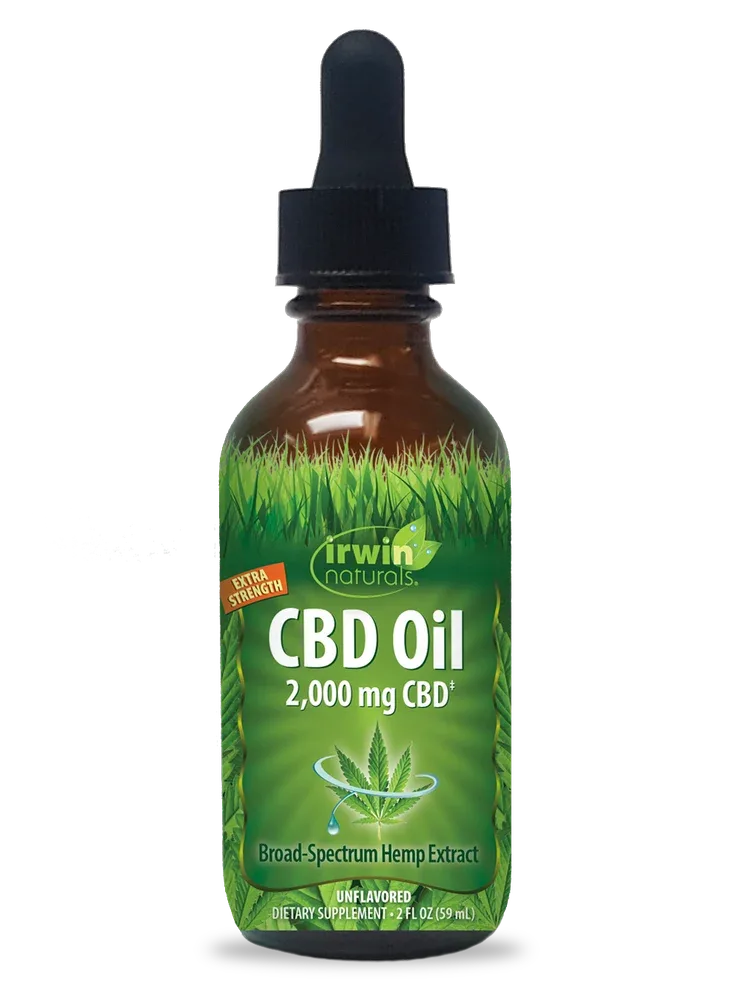
Irwin Naturals
CBD Oils 2000 mg: Unflavored
Tincture · 2,000 mg CBD
50% off
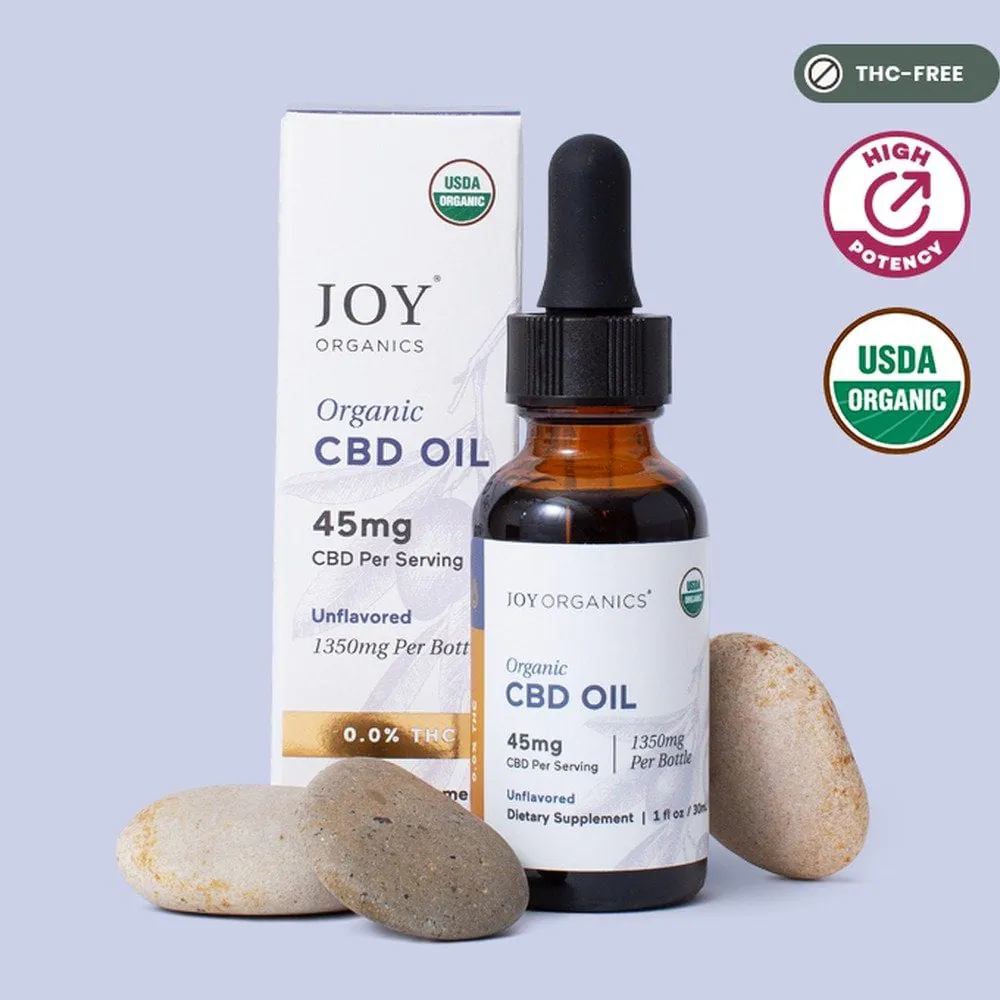
Sale price $34.50Buy at Irwin Naturals (opens brand site)was $68.99$0.017/mgJoy Organics
Organic THC-Free CBD Tincture (Unflavored)
Tincture · 1,350 mg CBD
30% off with code
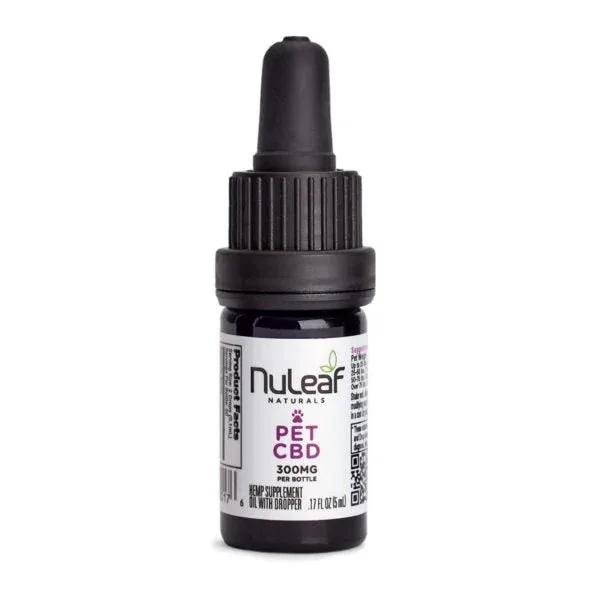
Price with code $48.97Buy at Joy Organics (opens brand site)was $69.95with code THCBAN30$0.036/mgNuLeaf Naturals
Pet CBD Oil, 300 mg
Tincture · 300 mg CBD
25% off
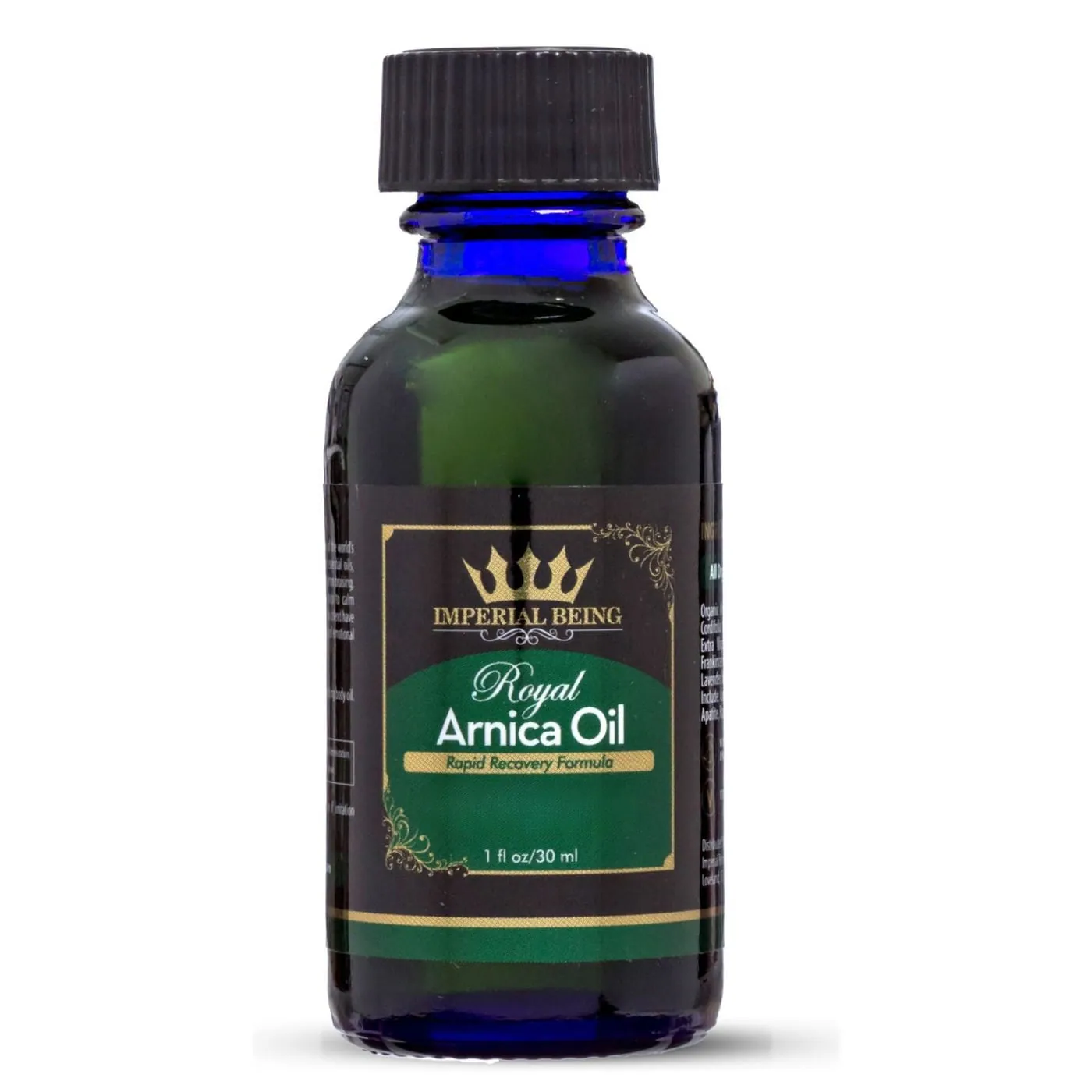
Sale price $21.20Buy at NuLeaf Naturals (opens brand site)was $28.27$0.071/mgImperial Being
Royal Arnica Oil, 1 fl oz
Oil · 1 fl oz
15% off with code
Price with code $21.24Buy on Amazon (opens in a new tab)was $24.99with code CWM15OFF$21.24/ozMedRoots
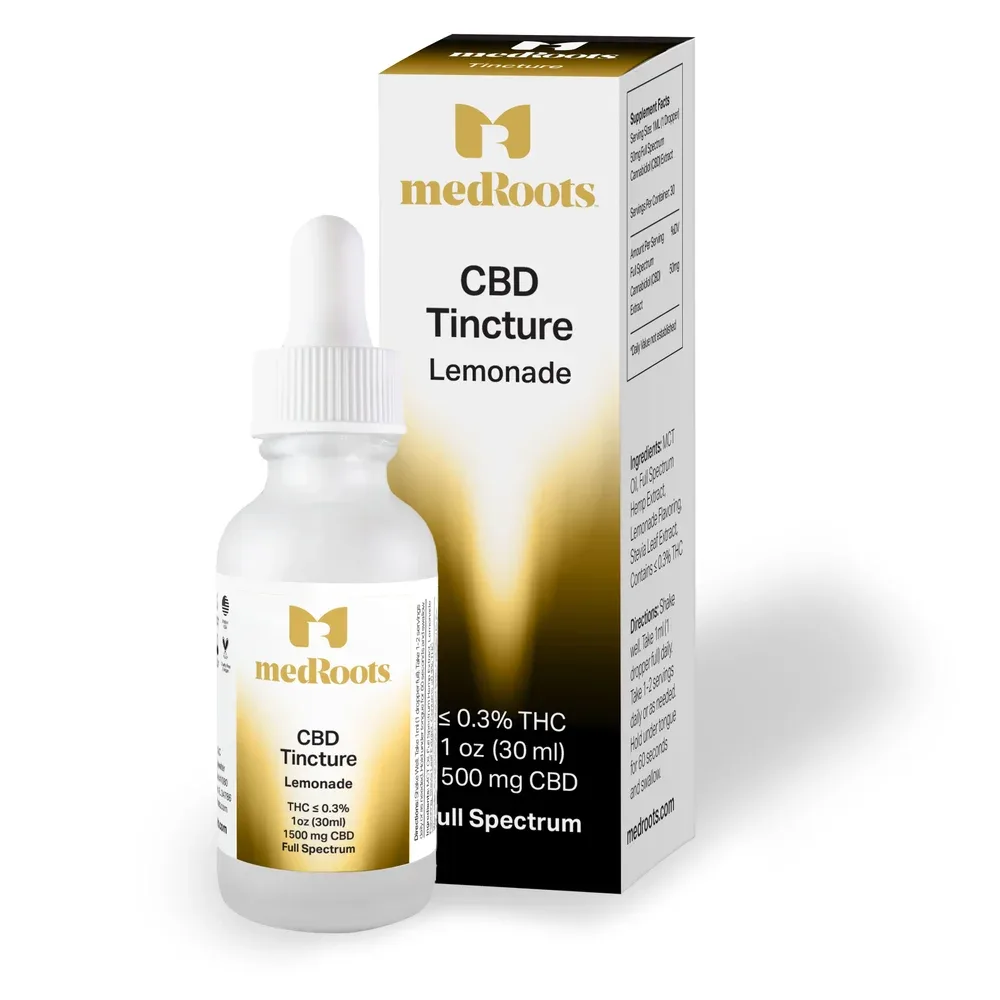
Lemonade Full Spectrum CBD Tincture, 1,500 mg
Tincture · 1,500 mg CBD
20% off your first order at MedRoots
$59.95$0.040/mgBuy at MedRoots (opens brand site)Psyched Wellness
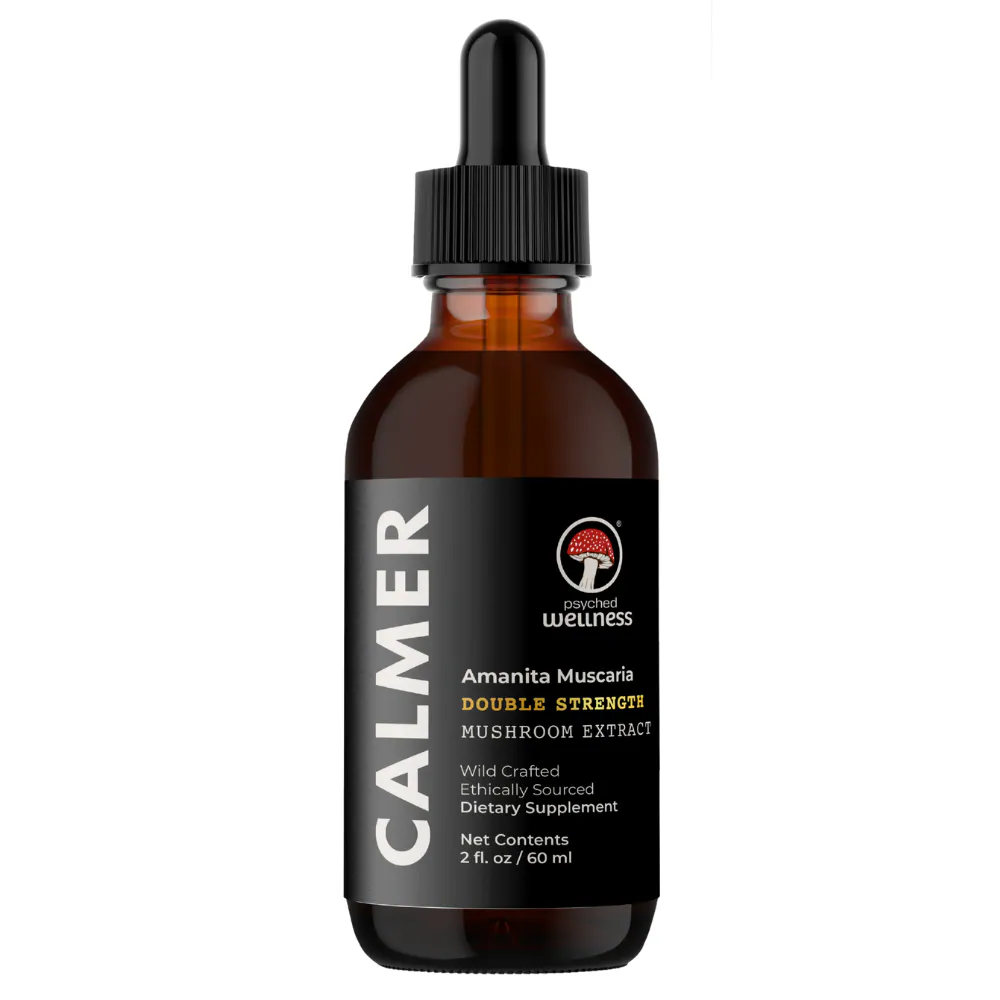
Calmer Amanita Muscaria Extract (Double Strength)
Tincture · 60 ml
$84.99$1.42/mlBuy at Psyched Wellness (opens brand site)
The law in Massachusetts
Massachusetts keeps hemp in its agriculture law. Sections 116 to 123 of chapter 128 of the General Laws put the Department of Agricultural Resources, known as MDAR, in charge, and section 116 defines hemp as the cannabis plant with a delta-9 THC concentration, or a combined delta-9 THC and THCA percentage, of no more than 0.3 percent. Anything above that line is marijuana, which chapter 94G leaves to the Cannabis Control Commission.
Section 117 lets hemp be grown, processed, bought and sold under the department's supervision, requires a section 118 license to grow, process or sell it commercially, and limits its commercial uses to those the commissioner considers reasonable. MDAR uses that last clause to decide which hemp products may be sold in the state.
Chapter 94G also speaks to shoppers directly. Section 7(f) says a person 21 or older may not be arrested, prosecuted or penalized for possessing, buying, obtaining, selling or transferring hemp.
- MDAR updates its policy statement on which hemp-derived products may be sold in the state.
- MDAR's hemp program announces it has prohibited making and selling hemp-derived delta-8 products.
- The Department of Public Health updates its guidance that food and drinks with CBD or THC may not be made or sold.
- The Governor approves chapter 65 of the Acts of 2026, which orders a study of the hemp-derived cannabinoid market.
- Kratom and its compounds enter schedule 1 under emergency rule 105 CMR 726.000.
- The federal limit of 0.4 mg total THC per container begins.
What MDAR allows and bars
MDAR's policy statement, updated October 4, 2021, approves hemp seed, hemp seed oil, hulled hemp, hemp seed powder, hemp protein, clothing and building material for sale. It lists as not approved any food product containing CBD, any product with hemp as a dietary supplement, animal feed with any hemp product, CBD products whose labels make health claims, and raw plant material, flower included, meant for a consumer's own use, unless sold to a store the Cannabis Control Commission licenses.
The department's FAQs say it regulates the wholesale market inside Massachusetts and not direct sales to consumers, that a retail store needs no MDAR license to sell hemp products, and that the same product rules generally apply at retail. Non-food CBD products for people, such as lotions, may be wholesaled when the label makes no health claims and the product is not marketed as a dietary supplement.
Finished hemp products made under an MDAR license must carry a label with the maker's name, license number and address, a cannabinoid profile showing THC and CBD, a batch number, the state where the hemp was grown, the ingredients, any allergen warnings, and a statement that neither MDAR nor the FDA has analyzed or approved the product.
- CBD Softgels Extra StrengthNeurogan$0.013/mg
- CBD Isolate Gummies, 150mg, LemonLazarus Naturals$0.013/mg
- Multicannabinoid OilNuLeaf Naturals$0.028/mg
- CBD Oils 2000 mg: UnflavoredIrwin Naturals$0.034/mg
- CBD Gummies with Melatonin for SleepCBDfx$0.037/mg
- Lemonade Full Spectrum CBD Tincture, 1,500 mgMedRoots$0.040/mg
THCA flower and delta-8
Because section 116 counts THCA with delta-9 THC, a hemp flower whose combined total passes 0.3 percent is not hemp under Massachusetts law. MDAR goes further for raw flower: its FAQs say the department chose to bar retail sale of raw flower and whole plant hemp because its crop testing averages across a field and cannot show that each flower stays under the limit, and that retail sales of raw flower may be inspected by law enforcement. MDAR also says it does not regulate the retail market, and we found no statute, rule, Attorney General opinion or appeals court ruling on hemp flower or other THCA products shipped to Massachusetts buyers from another state.
On delta-8, the MDAR hemp program wrote on December 12, 2022 that concentrated delta-8 THC is typically made synthetically from hemp CBD, that it remains a controlled substance whatever its source, and that MDAR has prohibited making and selling any hemp-derived delta-8 product in the Commonwealth. Tetrahydrocannabinols are listed in Class C of section 31 of chapter 94C.
Age, marijuana stores and the 2026 cannabis law
Chapter 227 of the Acts of 2020 amended section 12(f) of chapter 94G so that marijuana establishments may deal in hemp products grown and made under an MDAR license and federal rules. The Cannabis Control Commission's guidance, revised in January 2022, lets marijuana retailers, medical marijuana centers and delivery operators buy consumer-ready hemp products from MDAR licensees, display them in their own section, never sell them to anyone under 21, and hand buyers an insert saying the commission does not regulate the product. Hemp that a licensee makes into a marijuana product must be labeled as marijuana, not hemp.
Chapter 65 of the Acts of 2026, An Act modernizing the Commonwealth's cannabis laws, was approved on April 19, 2026. It raises the amount of marijuana an adult 21 or older may possess from 1 ounce to 2 ounces, keeps hemp out of the definition of marijuana, and in section 64 tells the Cannabis Control Commission to study how to regulate the hemp-derived cannabinoid market, covering licensing, testing, age limits and retail sales, and to publish its findings by December 15, 2026. We found no Massachusetts statute that sets a minimum age for hemp or CBD products sold outside marijuana stores.
CBD in food
The Department of Public Health's guidance, updated May 30, 2024, says it is not legal to make or sell food with CBD or THC in Massachusetts under its rules at 105 CMR 500.000 and 590.000, including bottled water and carbonated soft drinks, that full spectrum and broad spectrum hemp extracts count, that an MDAR processor license creates no exception, and that only retailers licensed by the Cannabis Control Commission may sell drinks with THC. Hulled hemp seeds, hemp seed protein and hemp seed oil may be used in food.
Kratom, kava, amanita and spores
Emergency rule 105 CMR 726.000, effective August 28, 2026 for one year unless the Commissioner of Public Health ends it sooner, places kratom in schedule 1 under section 2A of chapter 94C, defining it as the plant Mitragyna speciosa, mitragynine, 7-hydroxymitragynine, MP, MGM-15 and MGM-16 and any product sold as kratom, and it declares that kratom held or distributed by any food, retail or other business is an imminent health hazard that local boards of health may act on. Psilocybin and psilocyn are in Class C of section 31, and we found no Massachusetts statute naming kava, amanita muscaria or mushroom spores.
The federal change on December 11
From December 11, 2026, the federal definition counts total THC including THCA and limits a finished hemp-derived cannabinoid product to 0.4 mg per container. Read the federal page and What's changing on December 11.
Common questions
Is THCA legal in Massachusetts?
THCA counts toward the hemp limit: section 116 of chapter 128 defines hemp by its delta-9 THC, or its delta-9 THC and THCA combined, at no more than 0.3 percent. The Department of Agricultural Resources does not allow raw hemp flower to be sold for a consumer's own use except through a store licensed by the Cannabis Control Commission. We found no statute, rule, Attorney General opinion or appeals court ruling on THCA products shipped to Massachusetts buyers from another state.
Is CBD legal in Massachusetts?
Hemp itself is lawful: section 7(f) of chapter 94G protects an adult 21 or older who possesses, buys or sells hemp. Under MDAR's policy, non-food CBD products such as lotions may be sold if their labels make no health claims and they are not marketed as dietary supplements, while food with CBD may not be made or sold in the state.
Is delta-8 legal in Massachusetts?
No, outside the licensed marijuana system. In a memo dated December 12, 2022, MDAR said it has prohibited the sale and manufacture of any hemp-derived delta-8 product in the Commonwealth, because concentrated delta-8 is typically made synthetically from hemp CBD. The Department of Public Health repeats that position in its food guidance.
Can THC or CBD drinks be sold in Massachusetts?
Not as food. The Department of Public Health says CBD and THC may not be added to food or to bottled water and carbonated non-alcoholic drinks made or sold in Massachusetts, and that only retailers licensed by the Cannabis Control Commission may sell drinks with THC.
Is kratom legal in Massachusetts?
Not now. An emergency rule, 105 CMR 726.000, placed kratom in schedule 1 from August 28, 2026, for one year unless the Commissioner of Public Health ends it sooner. It covers the plant, mitragynine, 7-hydroxymitragynine, MP, MGM-15, MGM-16 and any product sold as kratom.
Sources
- General Laws chapter 128, section 116, hemp definitions, Massachusetts Legislature
- General Laws chapter 128, section 117, industrial hemp regulation, Massachusetts Legislature
- General Laws chapter 94G, section 7, personal use of marijuana, Massachusetts Legislature
- General Laws chapter 94G, section 12, marijuana establishments, Massachusetts Legislature
- General Laws chapter 94C, section 31, classes of controlled substances, Massachusetts Legislature
- Acts of 2026, chapter 65, An Act modernizing the Commonwealth's cannabis laws, Massachusetts Legislature
- Policy statement regarding the sale of hemp-derived products in the Commonwealth (updated October 4, 2021), Massachusetts Department of Agricultural Resources
- FAQs: Sale of hemp-derived products in the Commonwealth, Massachusetts Department of Agricultural Resources
- Delta-8 THC (December 12, 2022), Massachusetts Department of Agricultural Resources, Hemp Program
- CBD and THC in food manufactured or sold in Massachusetts (updated May 30, 2024), Massachusetts Department of Public Health
- Guidance on hemp (revised January 2022), Massachusetts Cannabis Control Commission
- 105 CMR 726.000, temporary placement of kratom in schedule 1 (emergency regulation, August 28, 2026), Massachusetts Department of Public Health
- What is kratom and how does it work?, Massachusetts Department of Public Health
Each source was last read on November 12, 2026. Laws and rules change; check the source for the current text.