Updated
We review these pages weekly and when laws change, but they aren't exhaustive and aren't legal advice. Laws change and we can make mistakes, so always check official sources before you buy, sell or travel.
Quick answer
- THC limits
- 2 mg total delta-9 THC a serving, 20 mg a package (100 mg for tinctures), and 0.3 percent (OAR 845-026-0400)
- Adult use line
- 0.5 mg or more of THC or THCA, or any artificially derived cannabinoid, means 21 and older only (OAR 845-026-0300)
- Registration
- Hemp products with cannabinoids must be registered with the OLCC before sale to Oregon consumers, since January 1, 2026
- Over the limits
- A hemp item past the OLCC limits is a marijuana item, sold only by licensed marijuana retailers (ORS 475C.257)
- Kratom
- Legal; no sales to anyone under 21, and processors register with the Department of Revenue (ORS 475.396, 475.398)
What this means for products
- From December 11, 2026, products over the federal limit on THC per container leave this shop: 115 products today, mostly gummies and tinctures.
- This site lists no kratom products.
- This site lists no psilocybin products.
- In the shop here: tinctures, gummies and chews, capsules, topicals, pet products and mushroom products, deals first below.
On sale now
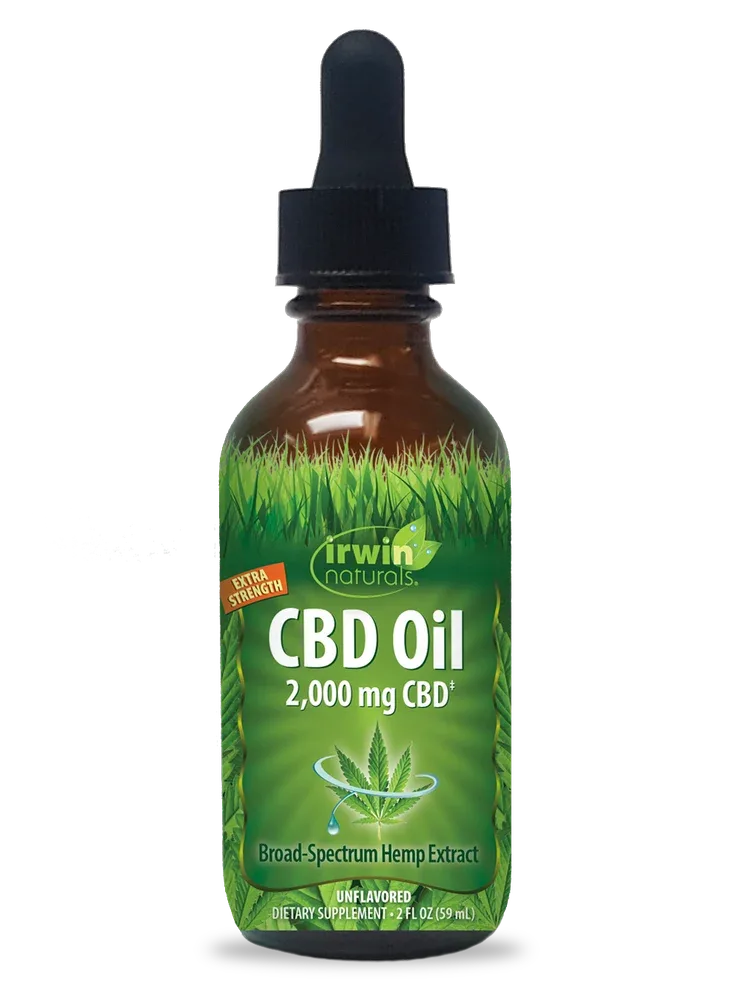
Irwin Naturals
CBD Oils 2000 mg: Unflavored
Tincture · 2,000 mg CBD
50% off
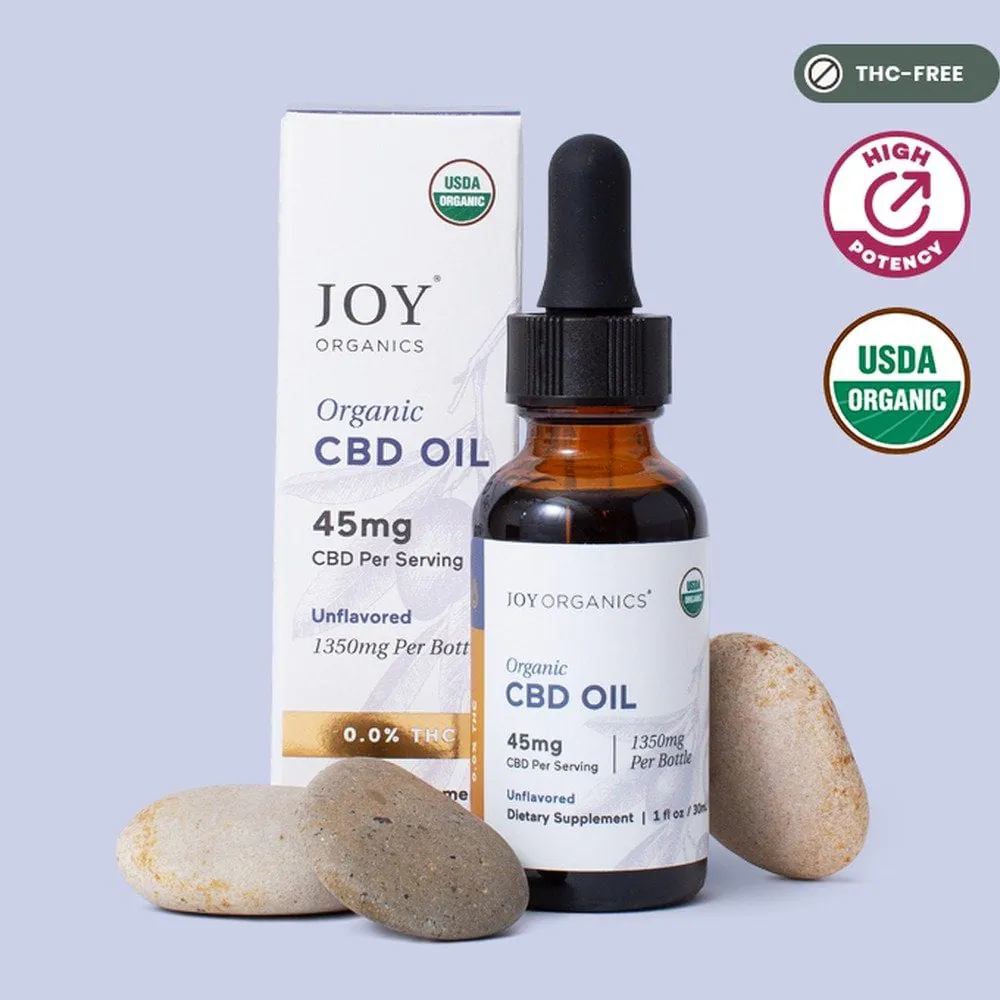
Sale price $34.50Buy at Irwin Naturals (opens brand site)was $68.99$0.017/mgJoy Organics
Organic THC-Free CBD Tincture (Unflavored)
Tincture · 1,350 mg CBD
30% off with code
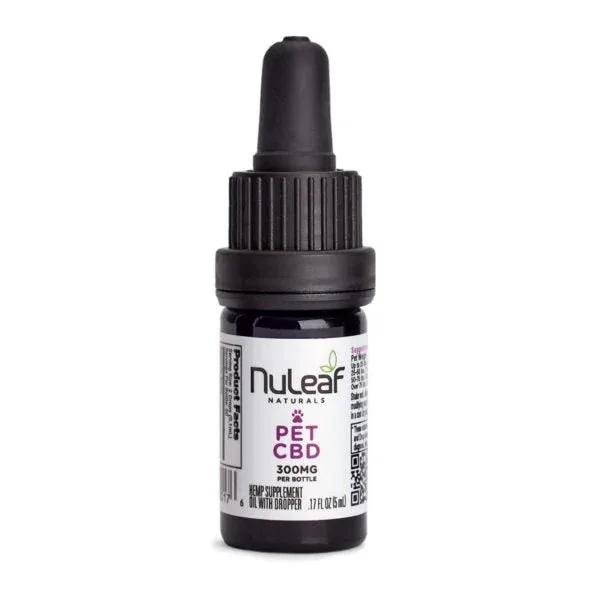
Price with code $48.97Buy at Joy Organics (opens brand site)was $69.95with code THCBAN30$0.036/mgNuLeaf Naturals
Pet CBD Oil, 300 mg
Tincture · 300 mg CBD
25% off
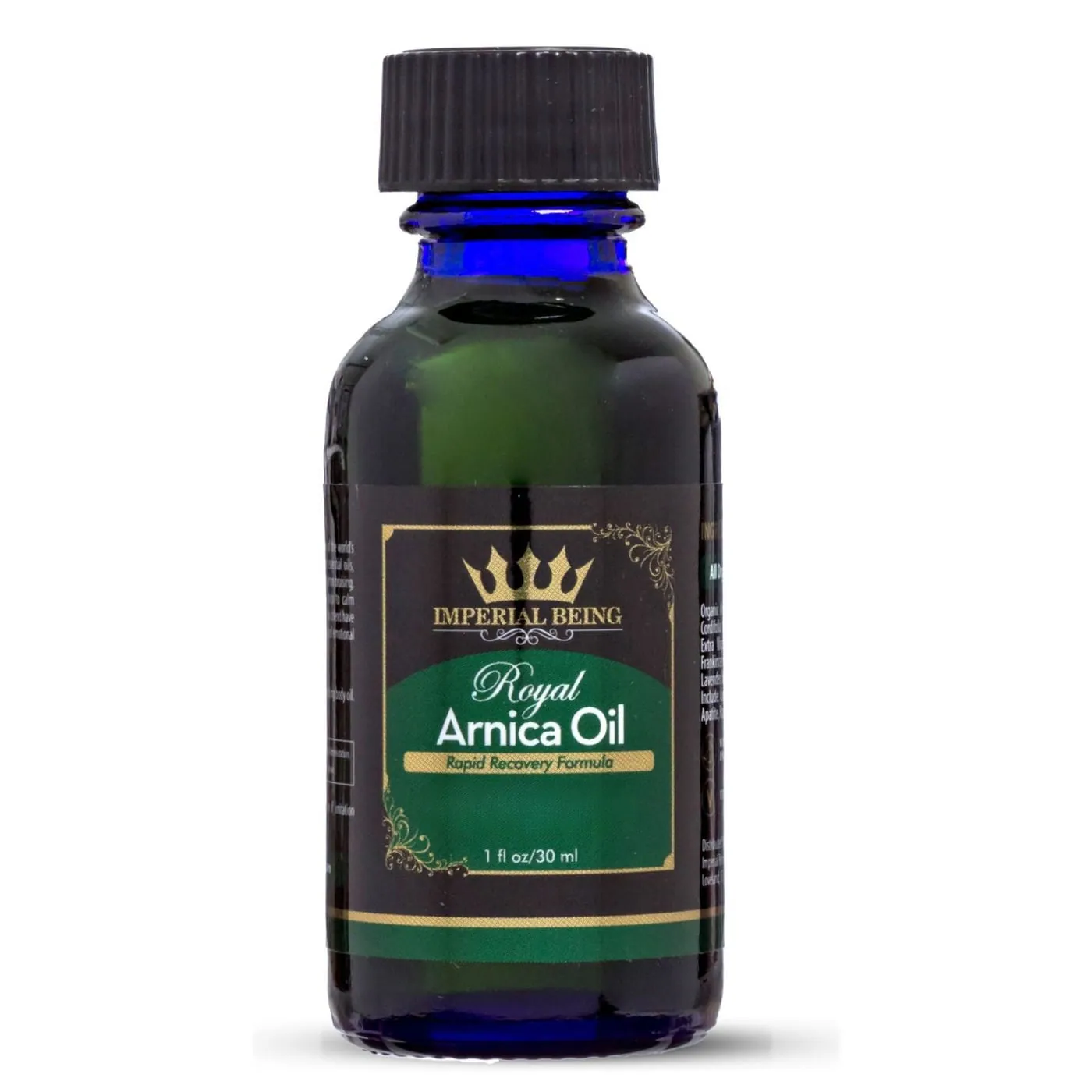
Sale price $21.20Buy at NuLeaf Naturals (opens brand site)was $28.27$0.071/mgImperial Being
Royal Arnica Oil, 1 fl oz
Oil · 1 fl oz
15% off with code
Price with code $21.24Buy on Amazon (opens in a new tab)was $24.99with code CWM15OFF$21.24/ozMedRoots
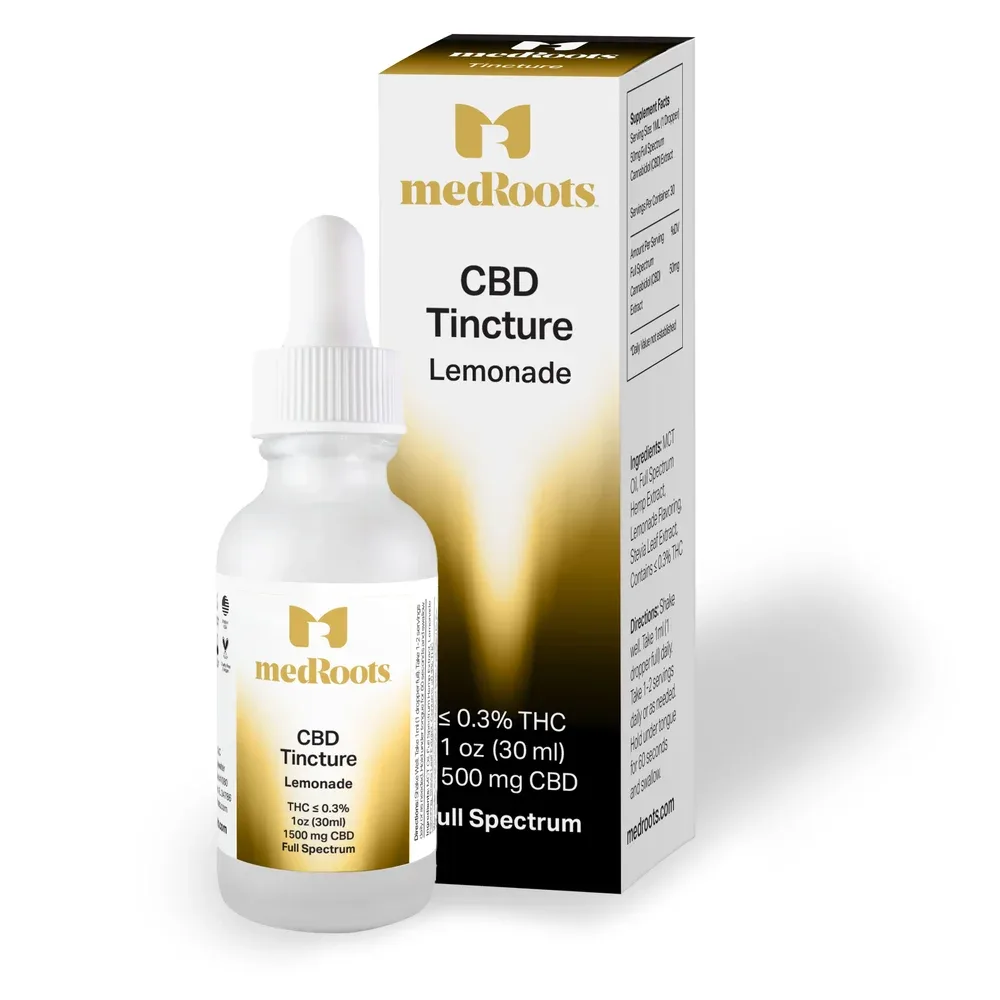
Lemonade Full Spectrum CBD Tincture, 1,500 mg
Tincture · 1,500 mg CBD
20% off your first order at MedRoots
$59.95$0.040/mgBuy at MedRoots (opens brand site)Psyched Wellness
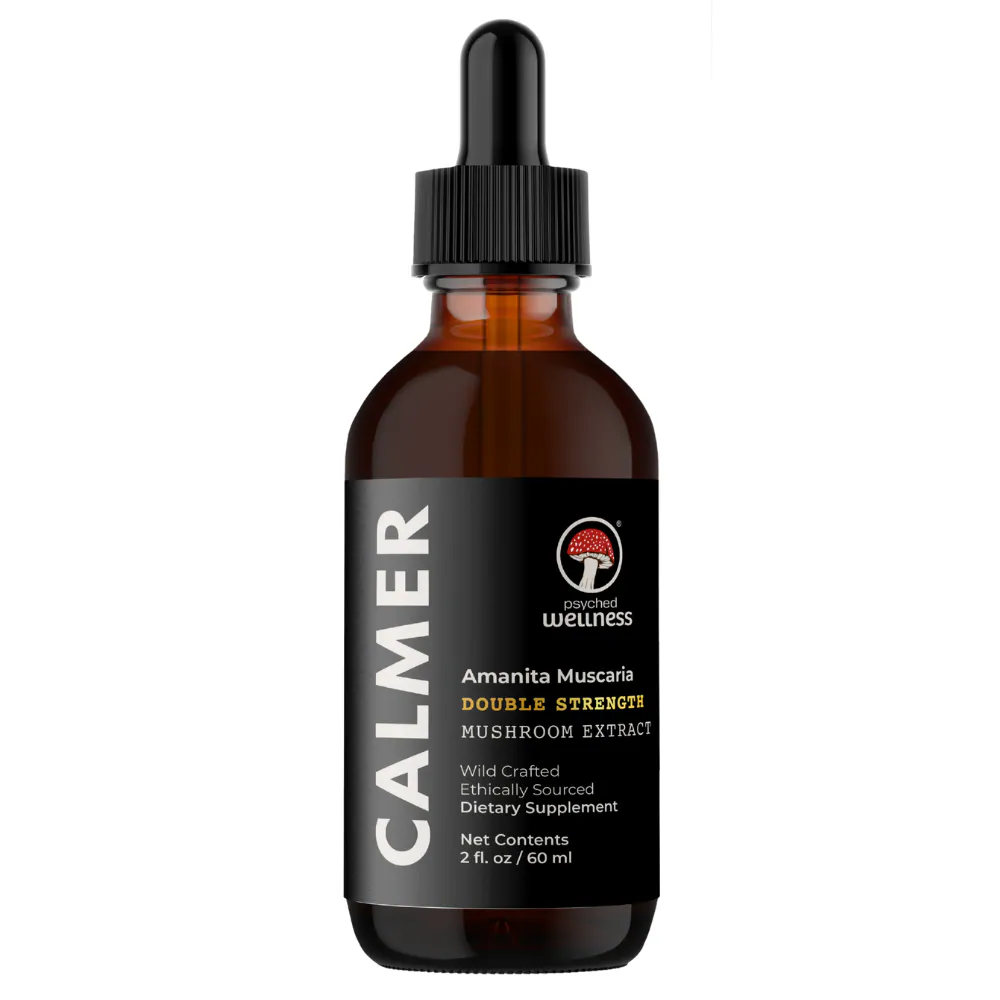
Calmer Amanita Muscaria Extract (Double Strength)
Tincture · 60 ml
$84.99$1.42/mlBuy at Psyched Wellness (opens brand site)
The law in Oregon
Oregon splits hemp oversight between two agencies. The State Department of Agriculture licenses growers and handlers under ORS 571.260 to 571.348 and sets the THC concentration that defines industrial hemp by rule. The Oregon Liquor and Cannabis Commission, which also runs the adult-use marijuana market, sets the THC limits for hemp products sold to consumers and, since January 1, 2026, keeps the registry every cannabinoid hemp product must be on before it reaches an Oregon buyer.
The key idea in Oregon law is the "adult use cannabinoid." ORS 475C.009 defines it to include tetrahydrocannabinols and tetrahydrocannabinolic acids, natural or artificial, delta-8 THC, delta-9 THC and any artificially derived cannabinoid reasonably determined to be intoxicating. A hemp product past the commission's limit for those compounds, or past 0.3 percent total delta-9 THC, counts as a marijuana item, and ORS 475C.257 lets only a licensed marijuana retailer sell a marijuana item to a consumer.
- The Governor approves HB 3000, which defines adult use cannabinoids, THCA included, and takes effect on passage.
- The OLCC rule setting the 0.5 mg adult use line for hemp items, OAR 845-026-0300, takes effect.
- The Oregon Kratom Consumer Protection Act, 2022 chapter 41, becomes operative.
- The Governor approves HB 4121, which creates the OLCC registration program for hemp products.
- The OLCC limits of 2 mg total delta-9 THC a serving and 20 mg a package take effect.
- Hemp product registration with the OLCC becomes operative.
- The federal limit of 0.4 mg total THC per container begins.
THCA and delta-8
Under OAR 845-026-0300, a hemp item is an adult use cannabis item if it holds 0.5 mg or more of total delta-9 THC, 0.5 mg or more of any other THC or THCA, delta-8 included, any cannabinoid the seller advertises as intoxicating, or any amount of an artificially derived cannabinoid. The same rule applies when the lab method cannot show the item is under 0.5 mg. An adult use cannabis item may not be sold or delivered to anyone under 21, and the commission may fine a seller up to $10,000 a violation.
Oregon's testing rule, OAR 333-064-0100, calculates total delta-9 THC as delta-9 THC plus 0.877 times the delta-9 THCA, so THCA counts against every limit. OAR 845-026-0400 and its Table 3 cap usable hemp, concentrates and extracts at 0.3 percent total delta-9 THC, and edibles, patches and other products at 2 mg a serving and 20 mg a package; tinctures may hold 100 mg a package.
An artificially derived cannabinoid is one made by a chemical reaction that changes its molecular structure, which leaves out THC formed from THCA by heat alone. A hemp product may contain one only if it is not a controlled substance, the commission judges it not impairing or intoxicating at the intended concentration, it has been reported as natural to the cannabis plant in at least three peer-reviewed publications, the product is not for inhalation, and its maker holds a GRAS determination or a qualifying FDA letter (OAR 845-026-0400 and 845-026-0415).
- CBD Softgels Extra StrengthNeurogan$0.013/mg
- CBD Isolate Gummies, 150mg, LemonLazarus Naturals$0.013/mg
- Multicannabinoid OilNuLeaf Naturals$0.028/mg
- CBD Oils 2000 mg: UnflavoredIrwin Naturals$0.034/mg
- CBD Gummies with Melatonin for SleepCBDfx$0.037/mg
- Lemonade Full Spectrum CBD Tincture, 1,500 mgMedRoots$0.040/mg
Age, registration and labels
ORS 571.295, added by HB 4121, requires the person responsible for making, packaging or distributing a hemp product with cannabinoids, whether in Oregon or elsewhere, to register it with the commission every year before it is sold to an Oregon consumer or retailer. The application carries a certificate of analysis, a copy of the label and a statement of whether the product is an adult use cannabis item, and ORS 571.296 bars selling an unregistered product. Products meant only for topical use, hemp grain and fiber products with no added cannabinoids, and registered animal feeds are exempt.
The label must show the product name and type, the maker's name and address, the ingredients, the net weight, the serving size and servings, the potency and cannabinoid contents, and a web address for the certificate of analysis. An adult use cannabis item must also read "For use only by adults 21 and older." and "Keep out of reach of children." ORS 571.296 also bars packaging that is attractive to minors, with cartoons or look-alike candy designs.
CBD in food and drinks
ORS 571.339 lets a hemp product meant for people be sold to a consumer only after testing by a laboratory licensed by the commission and accredited by the Oregon Health Authority, with the results kept on file. A product meant to be eaten must come from a food facility licensed by the State Department of Agriculture, or one in another state that meets substantially similar requirements, and when it is sold to anyone under 21 the test must show its delta-8 THC.
ORS 571.272 says the department may not consider hemp or hemp products an adulterant in food, while leaving it free to consider artificially derived cannabinoids adulterants.
Kratom, kava, amanita and spores
The Oregon Kratom Consumer Protection Act, 2022 chapter 41, became operative on July 1, 2023. It covers foods, supplements and drinks containing any part of the Mitragyna speciosa leaf: a retailer may not sell one to anyone under 21, a Class C misdemeanor for each violation, and a processor must register each year with the Department of Revenue, certifying third-party testing for adulteration, before selling to retailers. Oregon's Schedule I, OAR 855-080-0021, adopts the federal list as of April 1, 2025 and adds no kratom compound.
Oregon also licenses psilocybin services. Under the Oregon Psilocybin Services Act, ORS 475A.210 to 475A.722, the Oregon Health Authority licenses manufacturers and service centers, psilocybin products include psilocybin-producing fungi, and a licensee may not sell or deliver a psilocybin product to anyone under 21. We found no Oregon statute naming kava, amanita muscaria or mushroom spores.
The federal change on December 11
From December 11, 2026, the federal definition counts total THC including THCA and limits a finished hemp-derived cannabinoid product to 0.4 mg per container. Read the federal page and What's changing on December 11.
Common questions
Is THCA legal in Oregon?
Oregon counts THCA. The rules calculate total delta-9 THC as delta-9 THC plus 0.877 times the THCA, and usable hemp may hold no more than 0.3 percent total delta-9 THC. A hemp item with 0.5 mg or more of THC or THCA is an adult use cannabis item that may not go to anyone under 21, and a hemp item past the commission's limits counts as a marijuana item, which only a licensed marijuana retailer may sell.
Is CBD legal in Oregon?
Yes. A CBD product meant for people needs testing by an OLCC-licensed, accredited laboratory, an ingestible one must be made in a food facility licensed by the State Department of Agriculture or a similar one elsewhere, and it must stay within the THC limits. Since January 1, 2026 it must also be registered with the Oregon Liquor and Cannabis Commission and labeled under ORS 571.295; topical-only products are exempt from registration.
Is delta-8 legal in Oregon?
Oregon's law names delta-8 THC as an adult use cannabinoid, so 0.5 mg or more in a hemp item limits it to adults 21 and older. A hemp product may contain an artificially derived cannabinoid only if the commission judges it not impairing or intoxicating at its intended concentration, it is not meant to be inhaled and its maker holds a GRAS determination or an FDA letter, and any amount of one makes the product an adult use item.
Do hemp makers outside Oregon need to register?
Yes. ORS 571.295 applies to a person located within or outside Oregon who is responsible for making, packaging or distributing a hemp product with cannabinoids, before it is sold to a consumer or a retailer in Oregon. Registration is annual and carries a fee set by the commission.
Is kratom legal in Oregon?
Yes, for adults 21 and older. Under the Oregon Kratom Consumer Protection Act, a retailer may not sell a kratom product to anyone under 21, a Class C misdemeanor for each violation, and a processor must register with the Department of Revenue before selling kratom products to retailers. Oregon's Schedule I adopts the federal list as of April 1, 2025 and names no kratom compound.
Sources
- ORS chapter 571, sections 571.260 to 571.348, industrial hemp (2025 edition), Oregon State Legislature
- ORS chapter 475C, cannabis regulation, including 475C.009 and 475C.257 (2025 edition), Oregon State Legislature
- ORS chapter 475, including 475.392 to 475.404, Oregon Kratom Consumer Protection Act (2025 edition), Oregon State Legislature
- ORS chapter 475A, Oregon Psilocybin Services Act (2025 edition), Oregon State Legislature
- OAR 845-026-0100, definitions, Oregon Secretary of State, Oregon Administrative Rules
- OAR 845-026-0300, adult use cannabis item, Oregon Secretary of State, Oregon Administrative Rules
- OAR 845-026-0400, concentration and serving size limits for industrial hemp products, Oregon Secretary of State, Oregon Administrative Rules
- OAR 845-026-0400, Table 3, industrial hemp product THC limits, Oregon Secretary of State, Oregon Administrative Rules
- OAR 845-026-0415, standards for hemp products with artificially derived cannabinoids, Oregon Secretary of State, Oregon Administrative Rules
- OAR 845-026-6100, hemp item registration process, Oregon Secretary of State, Oregon Administrative Rules
- OAR 333-064-0100, cannabis sampling procedures and testing, Oregon Secretary of State, Oregon Administrative Rules
- OAR 855-080-0021, Schedule I, Oregon Secretary of State, Oregon Administrative Rules
- Oregon Laws 2021, chapter 542 (HB 3000), Oregon State Legislature
- Oregon Laws 2022, chapter 41 (HB 4010), kratom, Oregon State Legislature
- Oregon Laws 2024, chapter 16 (HB 4121), cannabis and hemp registration, Oregon State Legislature
Each source was last read on November 12, 2026. Laws and rules change; check the source for the current text.