Updated
We review these pages weekly and when laws change, but they aren't exhaustive and aren't legal advice. Laws change and we can make mistakes, so always check official sources before you buy, sell or travel.
Quick answer
- THC line outside dispensaries
- No more than 0.5 mg THC a serving and 2.5 mg a package unless sold by a licensed cannabis business (ABC 36-1102)
- Minimum age
- 21 for products over that line and for any delta-8 or delta-10 product (ABC 36-1102, Criminal Law 10-108)
- Synthetic cannabinoids
- Barred: no cannabinoid product that is not derived from naturally occurring plant constituents (ABC 36-1102(c))
- CBD in food
- The Maryland Department of Health says food with added CBD or THC is adulterated
- Kratom
- Sold only to adults 21 and older, with mitragynine and 7-OH amounts on the label (Health-General 21-2E-02)
What this means for products
- From December 11, 2026, products over the federal limit on THC per container leave this shop: 115 products today, mostly gummies and tinctures.
- This site lists no kratom products.
- In the shop here: tinctures, gummies and chews, capsules, topicals, pet products and mushroom products, deals first below.
On sale now
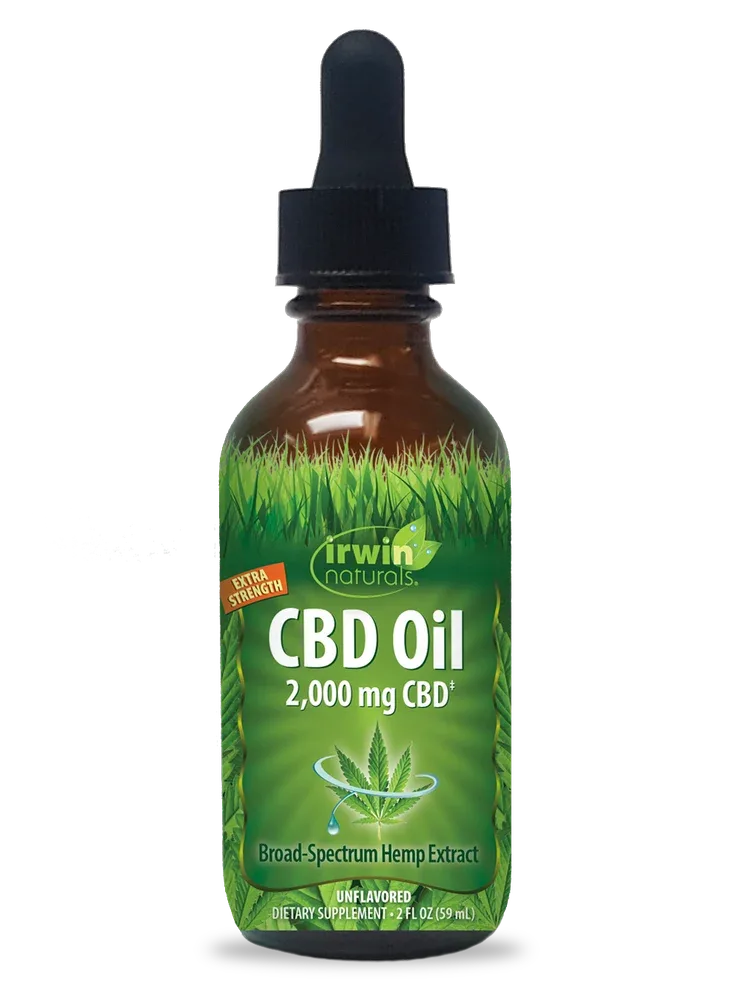
Irwin Naturals
CBD Oils 2000 mg: Unflavored
Tincture · 2,000 mg CBD
50% off
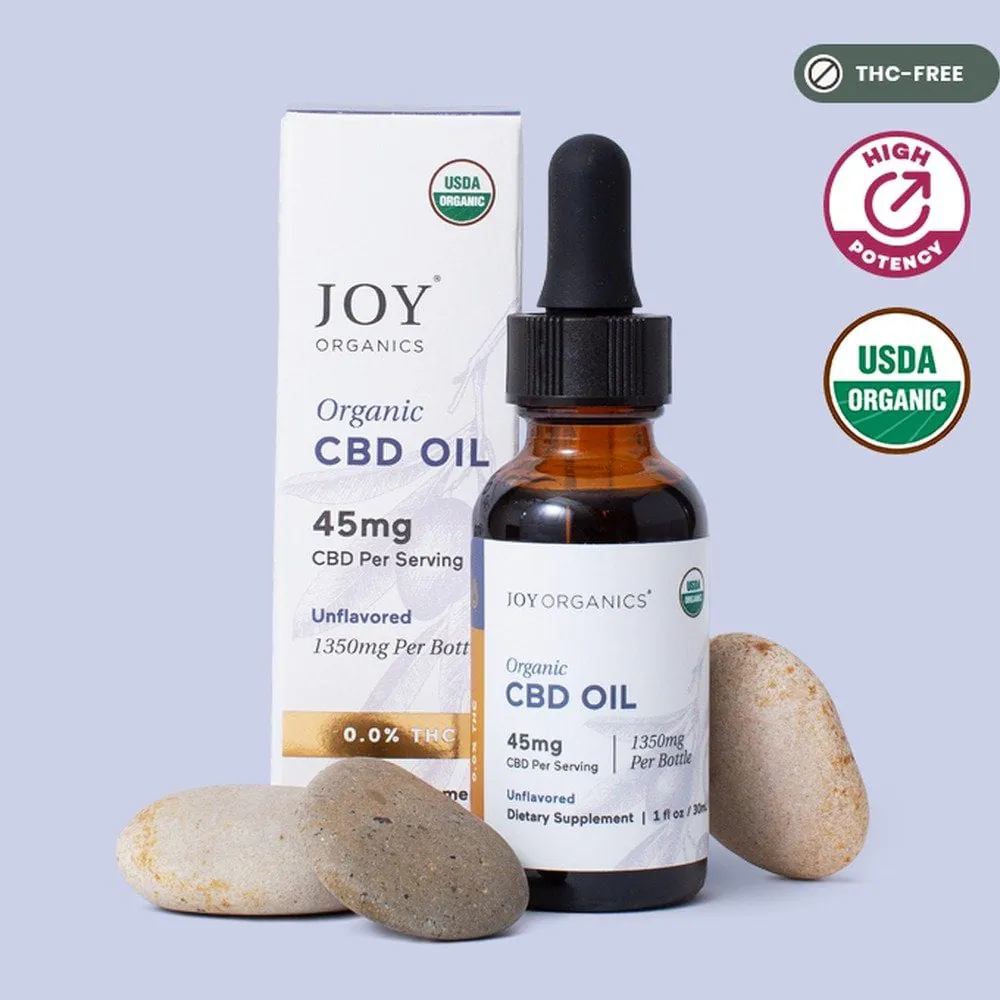
Sale price $34.50Buy at Irwin Naturals (opens brand site)was $68.99$0.017/mgJoy Organics
Organic THC-Free CBD Tincture (Unflavored)
Tincture · 1,350 mg CBD
30% off with code
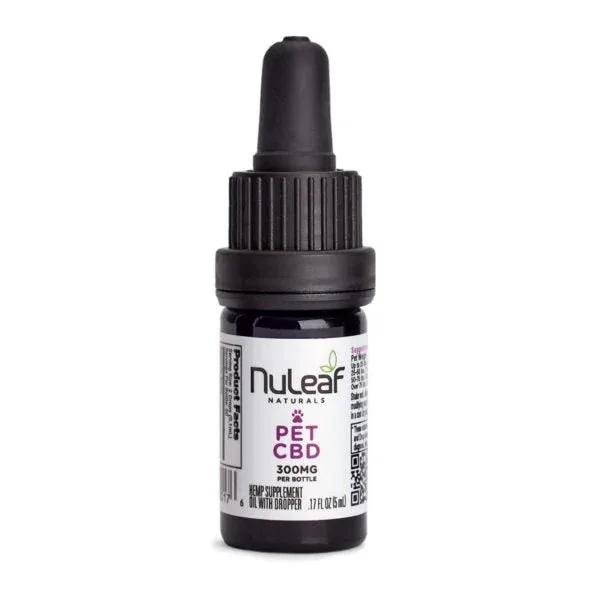
Price with code $48.97Buy at Joy Organics (opens brand site)was $69.95with code THCBAN30$0.036/mgNuLeaf Naturals
Pet CBD Oil, 300 mg
Tincture · 300 mg CBD
25% off
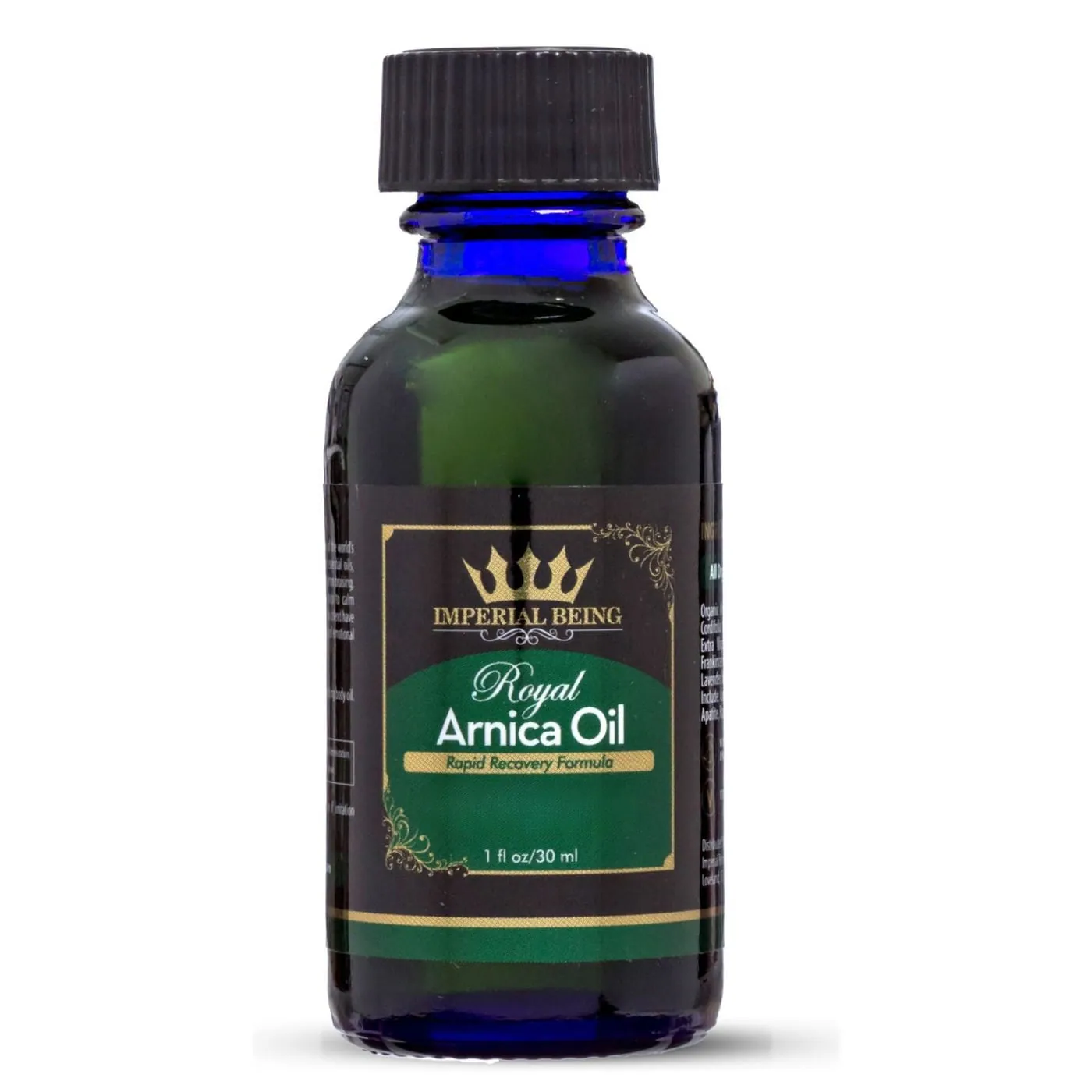
Sale price $21.20Buy at NuLeaf Naturals (opens brand site)was $28.27$0.071/mgImperial Being
Royal Arnica Oil, 1 fl oz
Oil · 1 fl oz
15% off with code
Price with code $21.24Buy on Amazon (opens in a new tab)was $24.99with code CWM15OFF$21.24/ozMedRoots
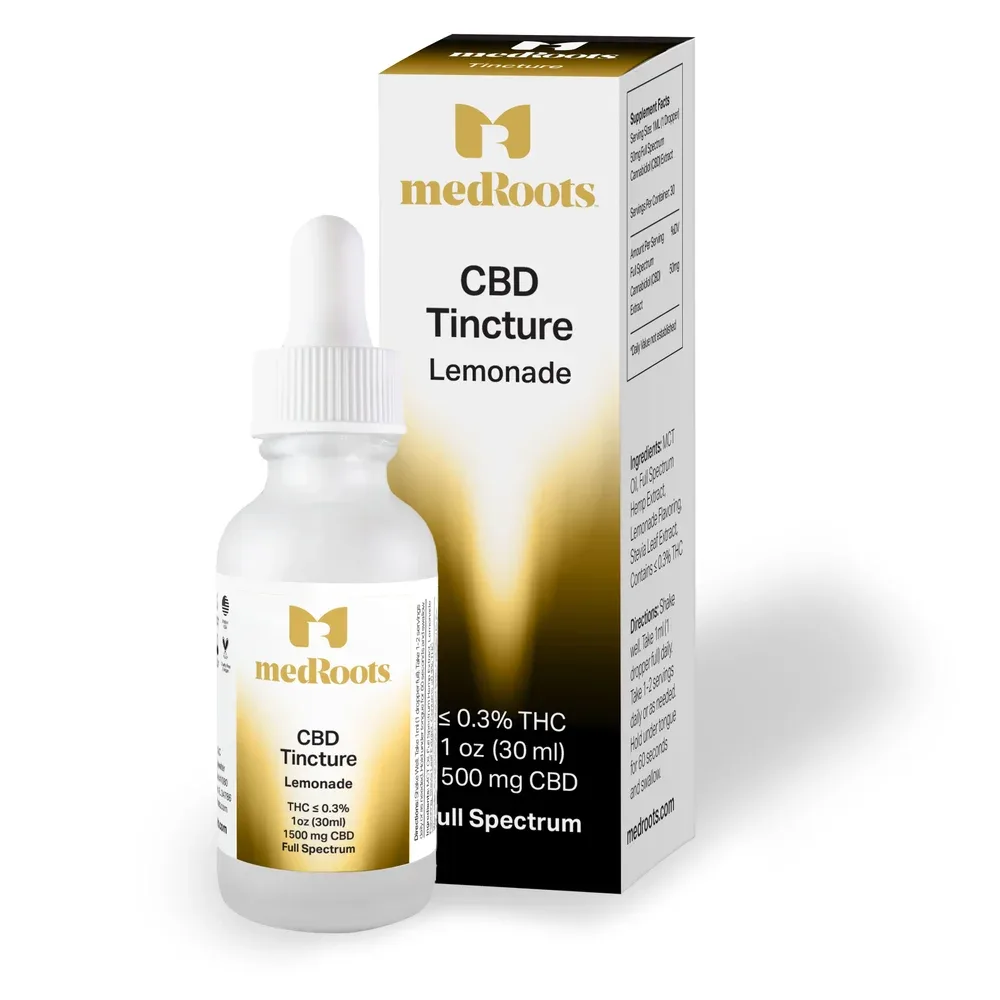
Lemonade Full Spectrum CBD Tincture, 1,500 mg
Tincture · 1,500 mg CBD
20% off your first order at MedRoots
$59.95$0.040/mgBuy at MedRoots (opens brand site)Psyched Wellness
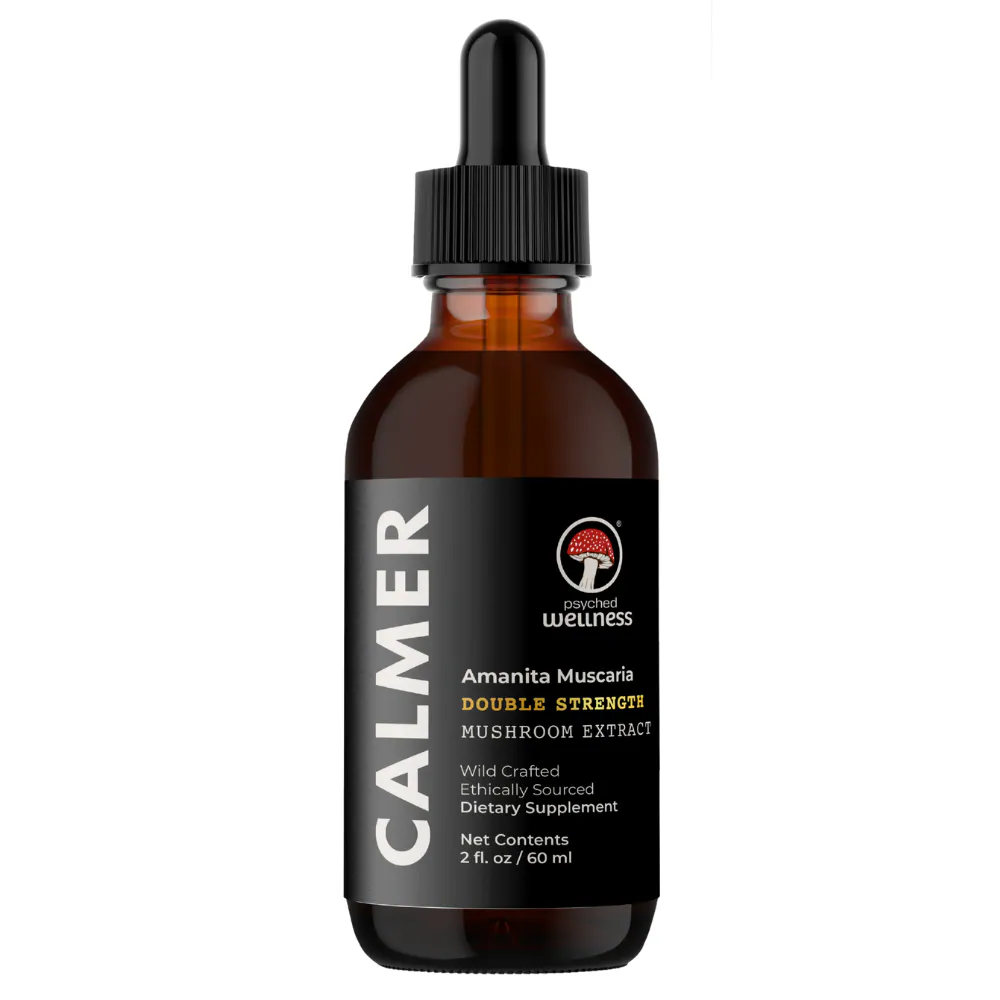
Calmer Amanita Muscaria Extract (Double Strength)
Tincture · 60 ml
$84.99$1.42/mlBuy at Psyched Wellness (opens brand site)
The law in Maryland
Maryland draws its line by milligrams, not by the plant. Agriculture Article section 14-101 defines hemp as cannabis with no more than 0.3 percent delta-9 THC on a dry weight basis, and the Cannabis Reform Act of 2023 keeps hemp and hemp products out of the definition of cannabis. But section 36-1102 of the Alcoholic Beverages and Cannabis Article, added by that act, bars anyone from selling a product meant to be eaten or inhaled that holds more than 0.5 mg of THC a serving or 2.5 mg a package unless the seller holds a cannabis license and the product meets the Cannabis Administration's manufacturing, laboratory testing, packaging and labeling standards.
For that section, THC means any tetrahydrocannabinol, including delta-8, delta-9 and delta-10, however it is made, plus any other cannabinoid except CBD that the Maryland Cannabis Administration finds intoxicating. A violation is a misdemeanor with a fine of up to $5,000. A separate subsection bars selling any cannabinoid product that is not derived from naturally occurring plant constituents, with a fine of up to $10,000.
- The governor approves the Cannabis Reform Act (HB 556, chapter 254), an emergency law that adds the 0.5 mg and 2.5 mg line in section 36-1102.
- Maryland's Kratom Consumer Protection Act (HB 1229, chapter 748) takes effect: age 21, label amounts and a 2 percent 7-OH cap.
- SB 214 (chapter 58) takes effect, letting the Commission cite sellers and seize THC products advertised over the limits.
- The Appellate Court of Maryland reverses the injunction that had limited enforcement against unlicensed hemp THC sellers.
- SB 820 (chapter 355) takes effect, letting the Commission seize noncompliant kratom and products over 1 mg of 7-OH a serving.
- The federal limit of 0.4 mg total THC per container begins.
THCA, delta-8 and the 2025 ruling
Delta-8 and delta-10 count as THC under section 36-1102, so a delta-8 product over the line may be sold only in a licensed dispensary. The Cannabis Administration's hemp FAQ says hemp-derived products over 0.5 mg a serving or 2.5 mg a package must pass a full compliance panel covering THC isomers and derivatives and may be sold only in a dispensary's service area, while products at or under the line may be sold in its public area.
On September 9, 2025, in Moore v. Maryland Hemp Coalition, No. 1590, September Term 2023, the Appellate Court of Maryland reversed a Washington County preliminary injunction that had limited enforcement against unlicensed sellers. The Cannabis Administration's notice of September 18, 2025 quotes the court: hemp-derived psychoactive products, so-called delta-8 and delta-10 THC, are now and have always been illegal in Maryland.
THCA is harder to place. The hemp definition counts delta-9 alone, and section 36-1102 does not name THCA, though it reaches inhaled products. The Cannabis Administration's consumer label guide for licensed cannabis tells buyers to add THC and THCA to find total THC, but no statute, rule, Attorney General opinion or appeals court ruling we found says whether THCA hemp flower sold outside a dispensary falls under the line.
- CBD Softgels Extra StrengthNeurogan$0.013/mg
- CBD Isolate Gummies, 150mg, LemonLazarus Naturals$0.013/mg
- Multicannabinoid OilNuLeaf Naturals$0.028/mg
- CBD Oils 2000 mg: UnflavoredIrwin Naturals$0.034/mg
- CBD Gummies with Melatonin for SleepCBDfx$0.037/mg
- Lemonade Full Spectrum CBD Tincture, 1,500 mgMedRoots$0.040/mg
Age, licenses and enforcement
Section 36-1102 bars selling a product over the line to anyone under 21. Criminal Law section 10-108 adds its own rule for delta-8 and delta-10: no sale to anyone under 21, a defense for a seller who checked a government ID, and a duty for any seller's website to use an age screen. Its fines run $300, $1,000 and $3,000 for first, second and later violations within two years.
SB 214, approved on April 8, 2025 and in force since July 1, 2025 as chapter 58, gave the Alcohol, Tobacco, and Cannabis Commission's field officers power to issue citations. It made displaying THC for sale prima facie evidence of selling it, and it added section 36-1104, which bars selling a THC product that breaks the potency, packaging or labeling rules or is advertised, on its package or online, with more THC than section 36-1102 allows. The Commission's executive director may seize such products from unlicensed locations, and an unlicensed seller faces a fine of up to $5,000.
CBD tinctures and CBD in food
Section 36-1102 carves out one product type. A hemp-derived tincture, dissolved in alcohol, glycerin or vegetable oil and sold in a dropper bottle of 4 ounces or less, may hold up to 2.5 mg of THC a serving and 100 mg a package if its ratio of CBD to THC is at least 15 to 1. The seller must give the Cannabis Administration samples for potency and contaminant testing.
Food is different. The Maryland Department of Health's Office of Food Protection says it is unlawful for any establishment to make, sell or offer food containing cannabis, CBD or THC, because these are not generally recognized as safe food additives and such food is considered adulterated under Health-General section 21-256. It notes that hulled hemp seed, hemp seed protein and hemp seed oil are a different matter.
Kratom, kava, amanita and spores
Maryland's Kratom Consumer Protection Act, chapter 748 of 2024, took effect on October 1, 2024 and now sits in Health-General Title 21, Subtitle 2E. A retailer may not sell kratom to anyone under 21, may not sell a product with synthetic alkaloids or with 7-hydroxymitragynine above 2 percent of its alkaloids, and must print the amounts of mitragynine and 7-hydroxymitragynine on the label. The statute also bars selling a kratom product that does not meet its label disclosure rule or has not been recognized as a dietary ingredient or approved drug by the FDA, and it bars any claimed health benefit and marketing to minors.
SB 820, chapter 355 of 2026, approved on May 12, 2026 and in force since July 1, 2026, makes noncompliant kratom an unauthorized consumable product. The Commission may seize it, along with any product labeled or sold as holding more than 1 mg of 7-hydroxymitragynine a serving, and a retailer faces a fine of up to $5,000. We found no Maryland statute naming kava, amanita muscaria or mushroom spores.
The federal change on December 11
From December 11, 2026, the federal definition counts total THC including THCA and limits a finished hemp-derived cannabinoid product to 0.4 mg per container. Read the federal page and What's changing on December 11.
Common questions
Is THCA legal in Maryland?
Maryland's hemp definition in Agriculture Article 14-101 counts delta-9 THC only, and the THC definition in section 36-1102 names delta-8, delta-9 and delta-10 THC and other cannabinoids the Cannabis Administration finds intoxicating, without naming THCA. No statute, rule, Attorney General opinion or appeals court ruling we found says whether THCA hemp flower sold for smoking falls under the 0.5 mg and 2.5 mg line. That line does reach products meant for inhalation.
Is CBD legal in Maryland?
Yes, outside the cannabis system, when a product holds no more than 0.5 mg of THC a serving and 2.5 mg a package. A hemp-derived tincture in a dropper bottle of 4 ounces or less may hold up to 2.5 mg of THC a serving and 100 mg a package if its CBD to THC ratio is at least 15 to 1 and samples go to the Cannabis Administration for testing. The Department of Health says food and drinks with added CBD may not be sold.
Is delta-8 legal in Maryland?
Only through a licensed cannabis dispensary when a product is over 0.5 mg of THC a serving or 2.5 mg a package, because section 36-1102 counts delta-8 and delta-10 as THC. Criminal Law section 10-108 bars selling any delta-8 or delta-10 product to anyone under 21 and requires sellers' websites to use an age screen.
What did the Appellate Court of Maryland decide about hemp THC products?
On September 9, 2025, in Moore v. Maryland Hemp Coalition, the court reversed a preliminary injunction that had limited the State's enforcement of section 36-1102 against unlicensed sellers. The Cannabis Administration's notice quotes the court: hemp-derived psychoactive products, so-called delta-8 and delta-10 THC, are now and have always been illegal in Maryland.
Is kratom legal in Maryland?
Maryland regulates kratom rather than banning it. Under Health-General 21-2E-02 a retailer may not sell kratom to anyone under 21, must list the mitragynine and 7-hydroxymitragynine on the label, and may not sell a product with synthetic alkaloids or 7-hydroxymitragynine above 2 percent of the alkaloids. Since July 1, 2026 the Alcohol, Tobacco, and Cannabis Commission may seize noncompliant kratom and products labeled with more than 1 mg of 7-hydroxymitragynine a serving.
Sources
- Alcoholic Beverages and Cannabis Article, section 36-1102 (2026), General Assembly of Maryland
- Alcoholic Beverages and Cannabis Article, section 36-1104 (2026), General Assembly of Maryland
- Agriculture Article, section 14-101, hemp definitions (2026), General Assembly of Maryland
- Criminal Law Article, section 10-108, delta-8 and delta-10 age limit (2026), General Assembly of Maryland
- 2023 Laws of Maryland, chapter 254 (House Bill 556), Cannabis Reform, General Assembly of Maryland
- 2025 Laws of Maryland, chapter 58 (Senate Bill 214), tetrahydrocannabinol offenses, General Assembly of Maryland
- Notice: Update on Intoxicating THC Products (September 18, 2025), Maryland Cannabis Administration
- Hemp FAQs, Maryland Cannabis Administration
- THC compliance standards, Maryland Alcohol, Tobacco, and Cannabis Commission
- Cannabis, cannabis-related products, and CBD in food, Maryland Department of Health, Office of Food Protection
- Health-General Article, section 21-2E-02, kratom products (2026), General Assembly of Maryland
- 2024 Laws of Maryland, chapter 748 (House Bill 1229), Kratom Consumer Protection Act, General Assembly of Maryland
- 2026 Laws of Maryland, chapter 355 (Senate Bill 820), unauthorized consumable products, General Assembly of Maryland
Each source was last read on November 12, 2026. Laws and rules change; check the source for the current text.