Updated
We review these pages weekly and when laws change, but they aren't exhaustive and aren't legal advice. Laws change and we can make mistakes, so always check official sources before you buy, sell or travel.
Quick answer
- Hemp definition
- No more than 0.3% delta-9 THC on a dry weight basis (Cannabis Law 3(27)); total THC counts THCA at 87.7% (3(53))
- Edibles and drinks
- 1 mg total THC a serving and 10 mg a package, with at least 15 parts CBD to 1 part THC (9 NYCRR 114.8)
- Minimum age
- 21 for flower, vapes and concentrates, and anything over 0.5 mg total THC a serving (9 NYCRR 114.16)
- Smokable hemp
- No pre-rolls, cigarettes, cigars or flower labeled for smoking (9 NYCRR 114.11)
- Kratom
- No sales to anyone under 21 since June 17, 2026 (Public Health Law 1399-xx)
What this means for products
- From December 11, 2026, products over the federal limit on THC per container leave this shop: 115 products today, mostly gummies and tinctures.
- This site lists no kratom products.
- This site lists no psilocybin products.
- In the shop here: tinctures, gummies and chews, capsules, topicals, pet products and mushroom products, deals first below.
On sale now
We may earn a commission when you buy through our links.
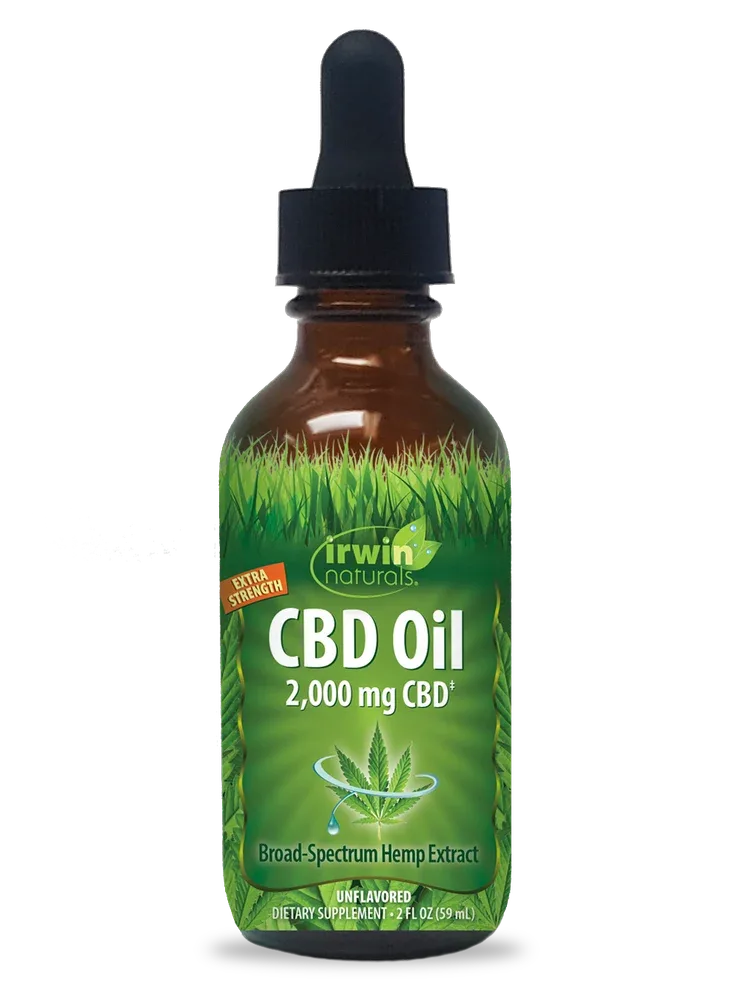
Irwin Naturals
CBD Oils 2000 mg: Unflavored
Tincture · 2,000 mg CBD
50% off
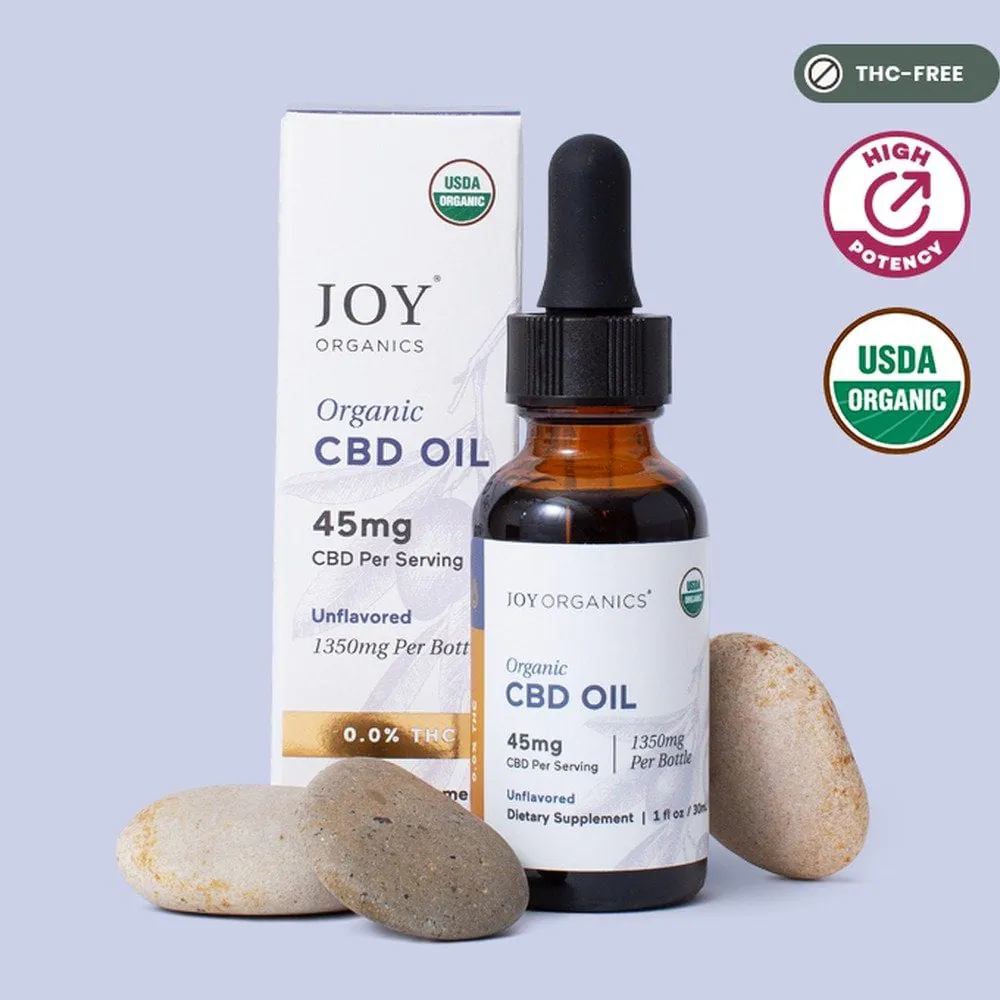
Sale price $34.50Buy at Irwin Naturals (opens brand site)was $68.99$0.017/mgJoy Organics
Organic THC-Free CBD Tincture (Unflavored)
Tincture · 1,350 mg CBD
30% off with code
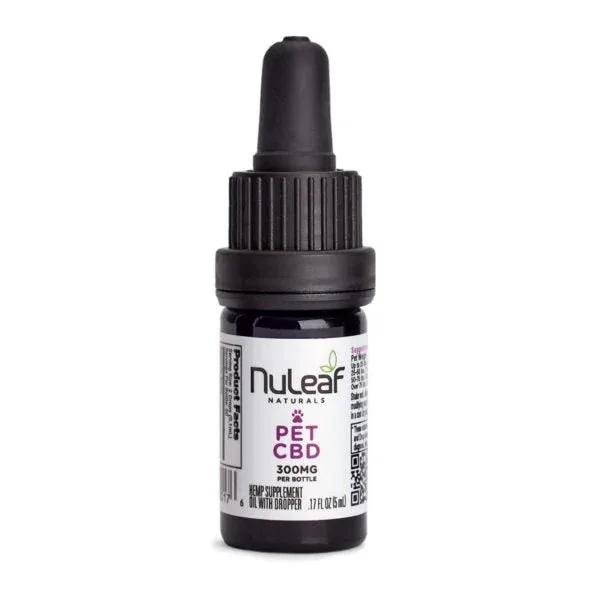
Price with code $48.97Buy at Joy Organics (opens brand site)was $69.95with code THCBAN30$0.036/mgNuLeaf Naturals
Pet CBD Oil, 300 mg
Tincture · 300 mg CBD
25% off
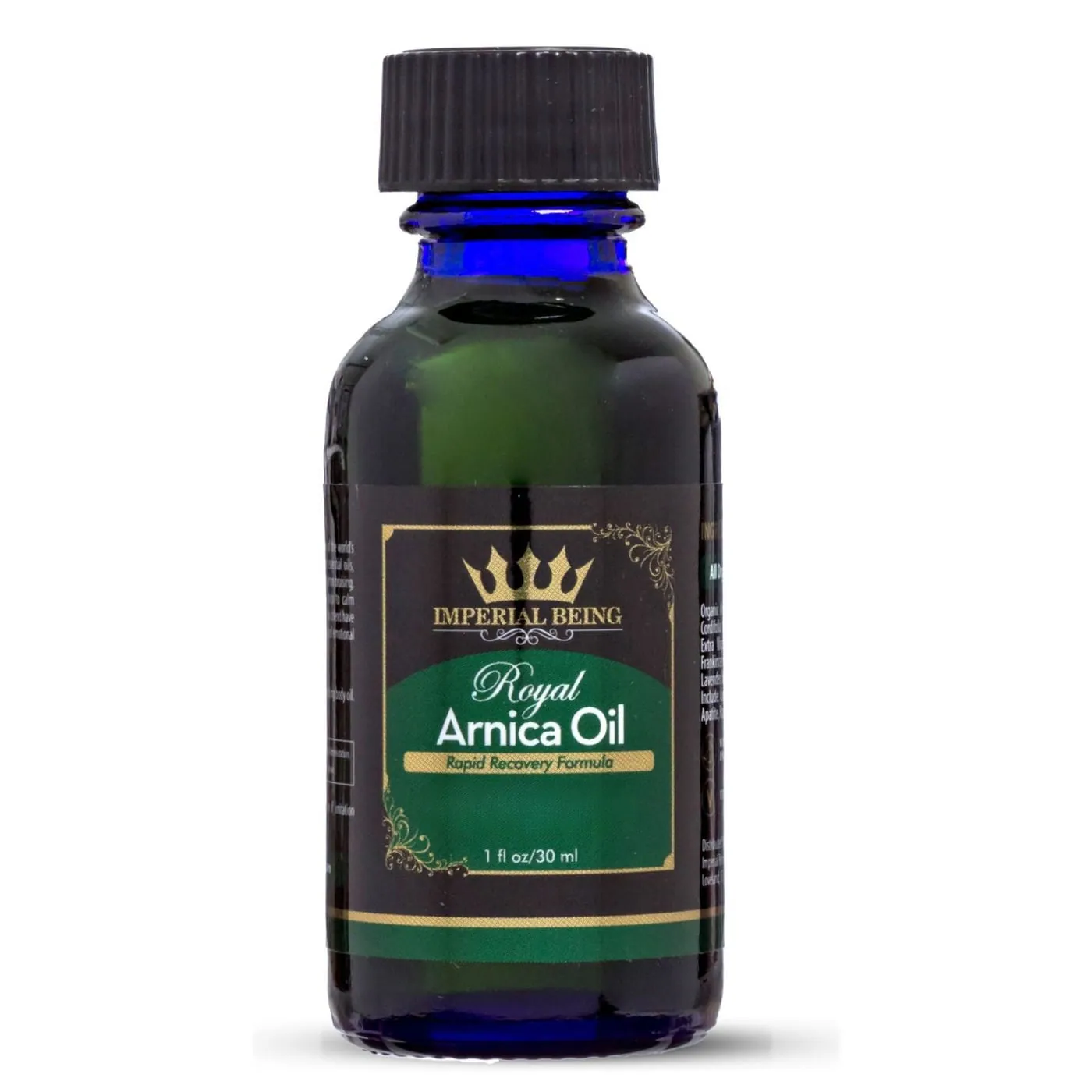
Sale price $21.20Buy at NuLeaf Naturals (opens brand site)was $28.27$0.071/mgImperial Being
Royal Arnica Oil, 1 fl oz
Oil · 1 fl oz
15% off with code
Price with code $21.24Buy on Amazon (opens in a new tab)was $24.99with code CWM15OFF$21.24/ozMedRoots
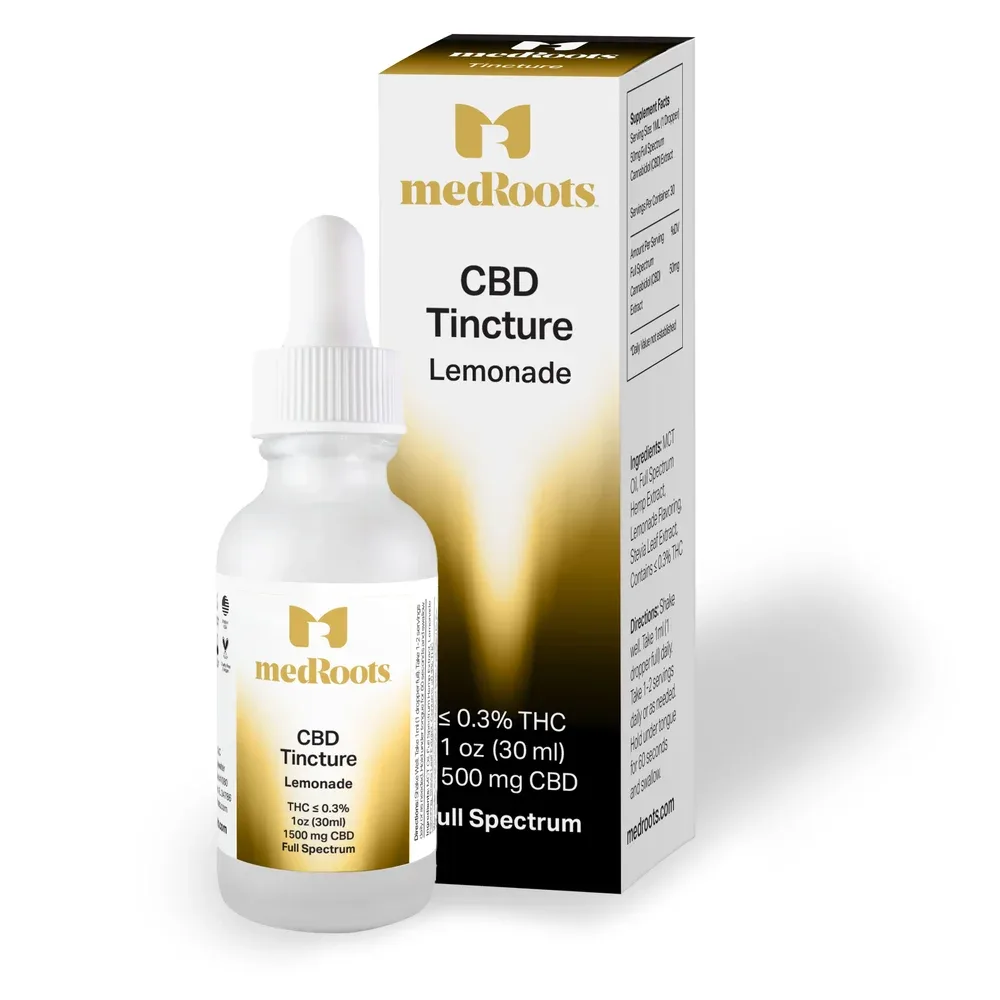
Lemonade Full Spectrum CBD Tincture, 1,500 mg
Tincture · 1,500 mg CBD
20% off your first order at MedRoots
$59.95$0.040/mgBuy at MedRoots (opens brand site)Psyched Wellness
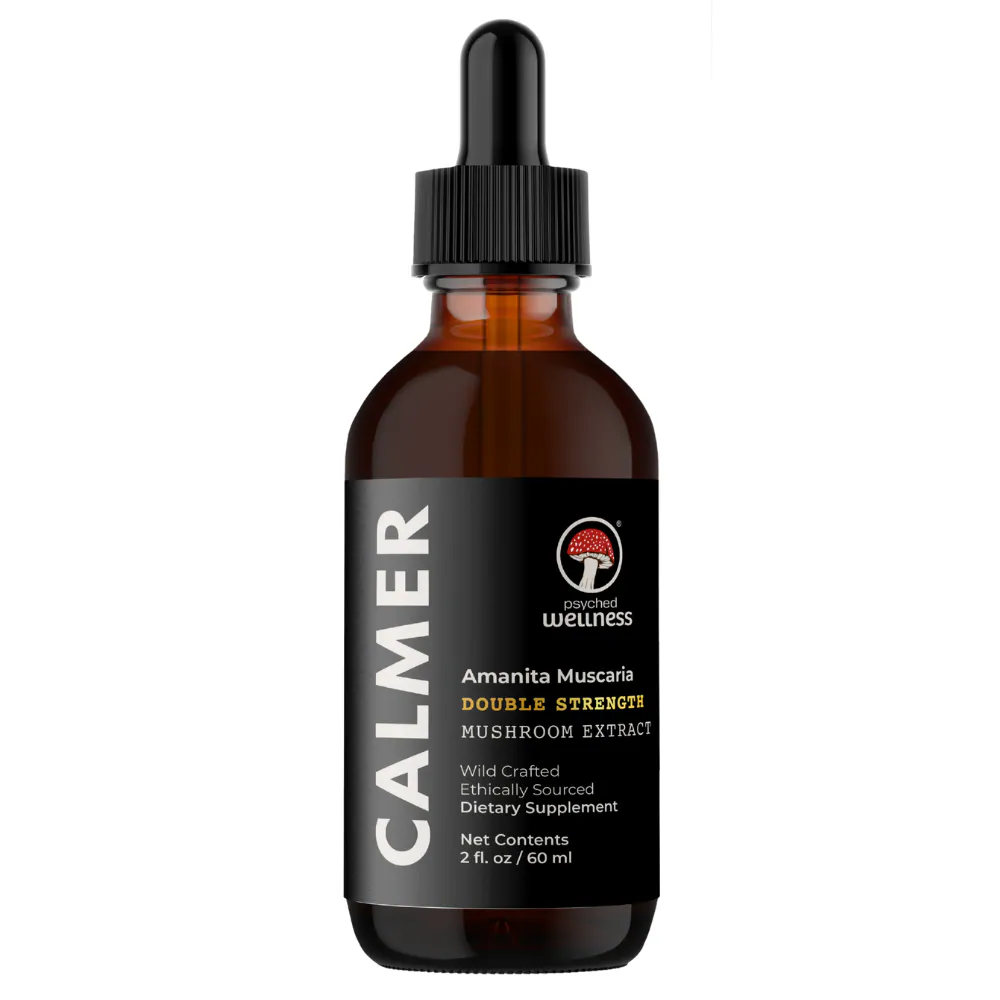
Calmer Amanita Muscaria Extract (Double Strength)
Tincture · 60 ml
$84.99$1.42/mlBuy at Psyched Wellness (opens brand site)
The law in New York
In New York, selling CBD is a licensed trade. Article 5 of the Cannabis Law, created by the Marihuana Regulation and Taxation Act signed on March 31, 2021, puts cannabinoid hemp under the Office of Cannabis Management. Section 109 bars processing cannabinoid hemp for human consumption without a processor license and bars its retail sale without a retailer license, and it lets products made in other states be sold in New York only if they meet every New York standard. Violations carry civil penalties of up to $1,000, then $5,000, then $10,000 for repeat violations within three years under section 107.
Section 3 of the Cannabis Law defines hemp as the plant with no more than 0.3 percent delta-9 THC on a dry weight basis and keeps hemp and cannabinoid hemp out of the definition of cannabis. The same section defines total THC as THCA multiplied by 0.877 plus THC, and the Office's rules, 9 NYCRR Part 114, set their milligram limits in total THC.
- The Marihuana Regulation and Taxation Act is signed, creating the Cannabis Law, its cannabinoid hemp article and the Office of Cannabis Management.
- The Office of Cannabis Management adopts the cannabinoid hemp rules in 9 NYCRR Part 114.
- Amendments to Part 114 are adopted.
- The governor signs chapter 690 (kratom age 21) and chapter 655 (kratom labels).
- The ban on kratom sales to anyone under 21 takes effect, now Public Health Law section 1399-xx.
- The federal limit of 0.4 mg total THC per container begins.
Product limits under Part 114
Section 114.8 sets the rules every cannabinoid hemp product sold in New York must meet. It must be made under federal food or supplement manufacturing rules, hold no more than 0.3 percent delta-9 THC, contain no alcohol, tobacco or nicotine, test within 80 to 120 percent of the cannabinoids on its label, and come prepackaged. Except for flower and topicals, it must hold at least 15 parts CBD, or other cannabinoids, to 1 part THC.
Products eaten or drunk may hold no more than 1 mg of total THC a serving and 10 mg a package, and no more than 100 mg of total cannabinoids a serving and 3,000 mg a package. A tincture with a calibrated dropper may hold up to 100 mg of total THC and 4,000 mg of cannabinoids a package. A hemp drink may hold only one serving a can, though several cans may be sold together.
CBD may go into food and drinks this way, as orally consumed cannabinoid hemp products. Products may not be added to food or drinks at the point of sale and may not be a potentially hazardous food under the state sanitary code, so a cafe cannot mix CBD into a drink to order. Edibles with several servings must be packaged so each serving is easy to identify and must be resealable or come with a measuring device; hash marks on a package do not count.
- CBD Softgels Extra StrengthNeurogan$0.013/mg
- CBD Isolate Gummies, 150mg, LemonLazarus Naturals$0.013/mg
- Multicannabinoid OilNuLeaf Naturals$0.028/mg
- CBD Oils 2000 mg: UnflavoredIrwin Naturals$0.034/mg
- CBD Gummies with Melatonin for SleepCBDfx$0.037/mg
- Lemonade Full Spectrum CBD Tincture, 1,500 mgMedRoots$0.040/mg
THCA, flower and delta-8
Part 114 defines a flower product as the flower, buds, leaves or stems of the hemp plant sold with minimal processing, and the Office's guidance, revised October 7, 2024, lists 0.3 percent delta-9 THC as its potency limit. Under section 114.11, retailers may not sell any product labeled or advertised for smoking, any cigarette, cigar or pre-roll, or anything packaged with rolling papers or pipes. Whether flower high in THCA meets these rules is not settled by any statute, rule, Attorney General opinion or appeals court ruling we found.
Section 114.8 also bars synthetic cannabinoids, artificially derived cannabinoids and cannabinoids made by isomerization, naming delta-8 and delta-10 THC, and processors may not use them. Public Health Law section 3306 lists synthetic THC not derived from the cannabis plant in Schedule I.
Age, licenses and labels
The age rule depends on the product. Section 114.16 bars a hemp retailer from selling flower, concentrated products such as vape cartridges, wax or shatter, or any product with more than 0.5 mg of total THC a serving to anyone under 21, and section 114.11 requires retailers to check that a buyer's ID matches the buyer. Part 114's age rule does not reach a CBD product with 0.5 mg of total THC a serving or less that is not flower or a concentrate.
Hemp vapes must be closed systems, either a prefilled cartridge or a single-use device, with temperature controls and a heating element of glass, ceramic or stainless steel. They may not contain flavorings other than hemp-derived terpenes or excipients such as vitamin E acetate, polyethylene glycol or MCT oil. Labels may not imitate candy or appeal to people under 21, and retailers must post their license where customers can see it. Hemp cosmetics, as federal law defines them, are outside the Office's oversight.
Kratom, kava, amanita and spores
Kratom is not listed in Public Health Law section 3306. Chapter 690 of 2025, signed on December 19, 2025 and amended by chapter 81 of 2026, bars selling kratom to anyone under 21 from June 17, 2026. The rule now sits in Public Health Law section 1399-xx, which defines kratom to include synthesized or semi-synthesized mitragynine and 7-hydroxymitragynine and allows civil penalties of up to $500. General Business Law section 398-g, added by chapter 655 of 2025 and amended by chapter 12 of 2026, requires kratom labels to list the maker, the ingredients and the amounts of mitragynine and 7-hydroxymitragynine from December 19, 2026.
S8925-A, which would bar selling 7-hydroxymitragynine products above 2 percent of total alkaloids or 1 mg a serving, passed the Senate on June 2, 2026 and the Assembly on June 5, 2026; the Senate's bill record shows no delivery to or action by the governor. Psilocybin and psilocyn are Schedule I under section 3306. We found no New York statute naming kava, amanita muscaria or mushroom spores.
The federal change on December 11
From December 11, 2026, the federal definition counts total THC including THCA and limits a finished hemp-derived cannabinoid product to 0.4 mg per container. Read the federal page and What's changing on December 11.
Common questions
Is THCA legal in New York?
New York's Cannabis Law defines total THC as THCA multiplied by 0.877 plus THC, and the Office of Cannabis Management's Part 114 rules cap edibles and tinctures by total THC. Hemp flower products may be sold by licensed retailers to adults 21 and older, but not labeled or packaged for smoking, and the Office's guidance lists 0.3 percent delta-9 THC as the flower limit. No statute, rule, Attorney General opinion or appeals court ruling we found says whether high-THCA flower qualifies as a lawful flower product.
Is CBD legal in New York?
Yes, as a cannabinoid hemp product made by a licensed processor and sold by a retailer licensed by the Office of Cannabis Management. A CBD food, drink or tincture must hold at least 15 times as much CBD as THC and no more than 1 mg of total THC a serving. Hemp cosmetics are outside the Office's oversight and need no hemp retail license.
Is delta-8 legal in New York?
No, not as a hemp product. Section 114.8 bars any cannabinoid hemp product containing synthetic or artificially derived cannabinoids or cannabinoids made by isomerization, naming delta-8 and delta-10 THC, and Public Health Law section 3306 lists synthetic THC not derived from the cannabis plant in Schedule I.
Can I buy hemp pre-rolls or vapes in New York?
Pre-rolls, cigarettes, cigars and any product sold or packaged for smoking are barred. Hemp vapes may be sold to adults 21 and older only as closed systems with temperature controls, no flavorings other than hemp-derived terpenes, and none of the excipients Part 114 bans, such as vitamin E acetate or MCT oil.
Is kratom legal in New York?
Kratom is not on New York's controlled substance schedules. Since June 17, 2026, Public Health Law section 1399-xx bars selling it to anyone under 21, and from December 19, 2026 General Business Law section 398-g requires labels listing the ingredients and the amounts of mitragynine and 7-hydroxymitragynine. A bill to bar 7-OH products above set levels, S8925-A, passed both houses in June 2026; the Senate's record shows no action by the governor.
Sources
- Cannabis Law section 3, definitions, New York State Senate
- Cannabis Law article 5, cannabinoid hemp and hemp extract, New York State Senate
- Cannabis Law section 107, penalties, New York State Senate
- Cannabis Law section 109, prohibitions, New York State Senate
- 9 NYCRR Part 114, cannabinoid hemp regulations, adopted text, New York State Office of Cannabis Management
- Permitted and prohibited cannabinoid hemp product forms, guidance (revised October 7, 2024), New York State Office of Cannabis Management
- Cannabinoid hemp program, New York State Office of Cannabis Management
- Marihuana Regulation and Taxation Act (MRTA), New York State Office of Cannabis Management
- Proposed and revised rulemaking and regulatory history, New York State Office of Cannabis Management
- Hemp and the 2025 federal appropriations law: what New Yorkers need to know, New York State Office of Cannabis Management
- Public Health Law section 3306, schedules of controlled substances, New York State Senate
- Public Health Law section 1399-xx, sale or distribution of kratom products to minors, New York State Senate
- S4552-A (2025), kratom sales to persons under 21, chapter 690, New York State Senate
- S8814 (2026), chapter amendment to chapter 690 of 2025, chapter 81, New York State Senate
- General Business Law section 398-g, kratom package labeling, New York State Senate
- S8925-A (2026), prohibiting the sale of 7-hydroxymitragynine products, bill status, New York State Senate
Each source was last read on November 12, 2026. Laws and rules change; check the source for the current text.