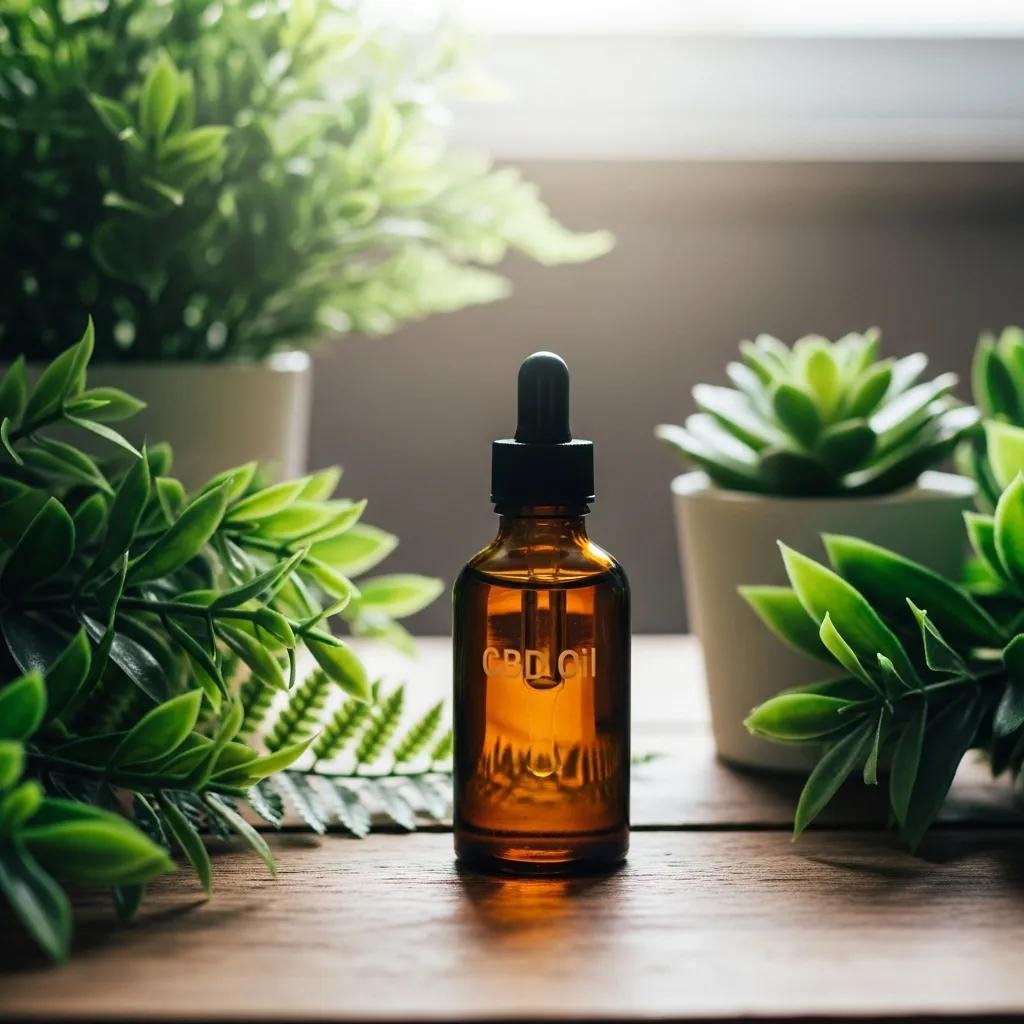
Understanding CBD: What It Is and How It Works
CBD, or cannabidiol, is a non-psychoactive compound found in cannabis plants that has gained popularity for its potential therapeutic benefits. Unlike THC, CBD does not produce a "high," making it an appealing option for those seeking relief from various ailments without the intoxicating effects. Understanding the basics of CBD is crucial for consumers looking to incorporate it into their wellness routines.
Research has shown that CBD interacts with the body's endocannabinoid system, which plays a role in regulating various physiological processes, including pain, mood, and immune response. This interaction may help alleviate symptoms of anxiety, chronic pain, and inflammation, among others. As the market for CBD products continues to grow, consumers should familiarize themselves with its properties to make informed decisions.
Choosing Quality CBD Products: What to Look For
When selecting CBD products, quality is paramount. Consumers should look for products that provide third-party lab testing results, ensuring that the product contains the advertised amount of CBD and is free from harmful contaminants. Understanding labels and ingredients can significantly impact the effectiveness and safety of CBD consumption.
Additionally, consumers should consider the source of the hemp used in CBD products. Organic, sustainably sourced hemp is often associated with higher quality, as it is less likely to contain pesticides or heavy metals. By prioritizing quality indicators such as extraction methods and ingredient transparency, users can enhance their overall CBD experience.
Common Uses of CBD: Benefits and Applications
CBD is utilized for a variety of health and wellness purposes, making it a versatile addition to many people's routines. Some common applications include managing anxiety, improving sleep quality, and alleviating chronic pain. Understanding these uses can help consumers identify the right products for their specific needs.
For instance, individuals suffering from anxiety may benefit from CBD oils or capsules, while those dealing with localized pain might prefer topical creams. As research continues to explore the potential benefits of CBD, users can stay informed about new applications and findings to optimize their usage.
Legal Considerations for CBD Products
The legal landscape surrounding CBD can be complex and varies significantly by region. In many places, CBD derived from hemp with less than 0.3% THC is legal, but consumers must stay informed about local regulations to ensure compliance. Understanding the legal status of CBD products is essential for safe and responsible usage.
Moreover, consumers should be aware that while CBD is legal at the federal level in the United States, individual states may have specific restrictions or guidelines. Staying updated on these regulations can help consumers make informed decisions and avoid legal issues related to CBD purchases and usage.