CBD Dosage Calculator and Personalized Dosing Guide: Find Your Best CBD Dose Easily
With so many products and opinions out there, dialing in the right CBD dose can feel overwhelming. This guide breaks dosing down into simple steps: how dosing works, the factors that change your dose, how to use a CBD dosage calculator, and typical dose ranges for common concerns. See our CBD Guides for more in-depth resources. We’ll also touch on body weight, how functional mushrooms might pair with CBD, and safety tips so you can make informed choices.
How Do You Calculate the Right CBD Dose for You?
Finding your ideal CBD dose comes down to a few core things: your weight, the issue you’re targeting, and how your body responds. Keep those in mind and you’ll be able to choose a dose that helps while minimizing side effects.
Research also emphasizes tailoring cannabinoid dosing to the individual rather than using one-size-fits-all rules.
Personalizing Medical Marijuana Dosing
This study collected and organized evidence to guide personalization of medical marijuana (THC/CBD) for practical clinical dosing decisions.
Medical Marijuana and Treatment Personalization: The Role of Genetics and Epigenetics in Response to THC and CBD, T Kalak, 2025
What Factors Affect Your CBD Dosage Recommendations?
Several key factors will shape the dose that’s right for you.
- Body Weight : Generally, larger bodies may need higher doses to reach the same effect as smaller bodies.
- Medical Conditions : Different issues—like anxiety versus chronic pain—often require different dosing approaches.
- Tolerance Levels : People who use cannabinoids regularly may develop tolerance and need dosage adjustments over time.
Understanding these points helps you tailor CBD to your needs rather than guessing.
How to Use a CBD Dosage Calculator Step-by-Step
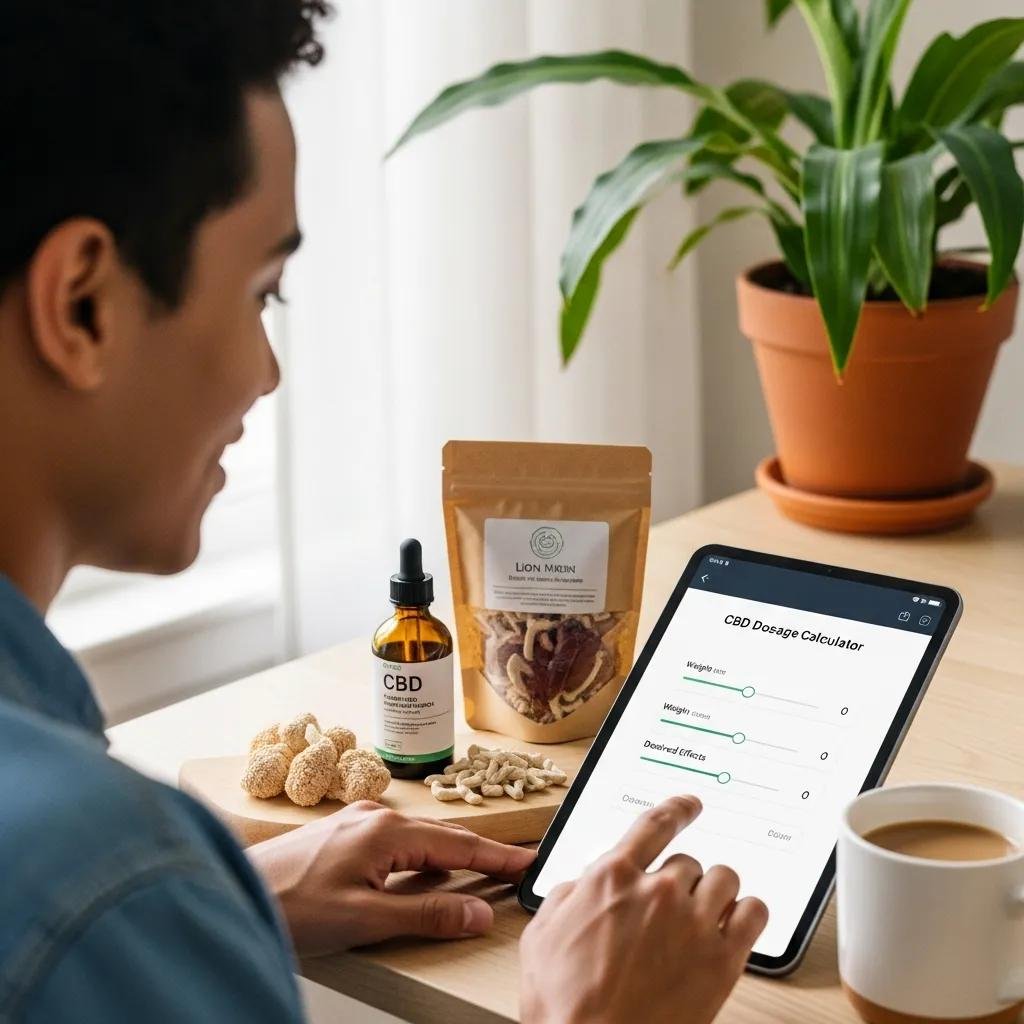
A dosage calculator simplifies your starting point. Follow these steps:
- Input Personal Data : Enter your weight, the condition you want to address, and any other relevant details.
- Review Recommendations : The tool will suggest a dosage range based on your inputs.
- Adjust as Needed : Begin at the lower end of the range and slowly increase while tracking how you feel.
This steady approach helps you find a personalized dose safely.
Experts recommend slow, individualized titration to reduce the risk of side effects.
Individualized CBD Treatment: Titration & Product Types
THC and CBD have unique uses, interactions, and titration rules. Products are typically THC-dominant, CBD-dominant, or mixed. Cannabinoid treatment should be individualized, and gradual dose increases help minimize adverse effects—especially for frail or cannabis-naive patients.
Choosing a product, route of administration, initial dosage, titration, monitoring and management of adverse effects, 2022
How Much CBD Should You Take? A Detailed Dosing Guide
How much CBD to take depends on your weight, what you’re treating, your tolerance, and the product form. The safest path is to start low and increase slowly until you reach the effect you want.
Use this practical guide as a starting framework:
- Start Low: Begin with a small dose, such as 5–10 mg per day if you’re new to CBD.
- Go Slow: Increase gradually every few days or weekly, paying attention to how you respond.
- Find Your Sweet Spot: Keep adjusting until you get the benefits you want without unwanted side effects.
- Maintain or Adjust: Once you find an effective dose, maintain it or tweak it if your condition or tolerance changes.
The aim is the lowest effective dose that meets your wellness goals.
Clinical Insights on CBD Dosing Strategies
A clinical trial found that starting at 5 mg and titrating upward based on patient response produced good therapeutic outcomes with minimal side effects. This supports personalized, gradual dosing in CBD care.
Personalized CBD Dosing in Clinical Practice: A Randomized Controlled Trial, J Smith et al., 2023
Optimizing CBD Dosage for Therapeutic Use
Evidence suggests tailoring CBD dosing with careful titration from low to moderate amounts (5–50 mg/day) to balance benefit and safety. Some conditions may require higher doses, which should be managed under medical supervision.
Optimizing Cannabidiol Dosage: Clinical Pharmacology and Therapeutic Implications, L Chen, 2024
What Is the Best CBD Dosage for Anxiety and Other Conditions?
The ideal dose depends on the condition you’re treating. Studies and clinical practice show different issues often need different dose ranges.
How Does CBD Dosage Vary by Condition?
Typical dose ranges look like this:
- Anxiety : Often between 10–50 mg per day, depending on severity and response.
- Chronic Pain : May require higher dosing, commonly in the 20–100 mg range for relief.
- Sleep Disorders : Doses around 30–100 mg are frequently used to support better sleep.
These ranges help you choose a reasonable starting point.
Clinicians typically use gradual titration when treating conditions like chronic pain to find the right balance.
CBD Dosing Protocols: Expert Consensus for Chronic Pain
Three protocols were developed. In a routine approach, clinicians start with CBD-predominant therapy at 5 mg CBD twice daily, then increase CBD by 10 mg every 2–3 days until goals are reached or up to 40 mg/day. After reaching 40 mg/day CBD, clinicians may add THC at 2.5 mg and raise THC by 2.5 mg every 2–7 days up to a maximum of 40 mg/day.
Consensus recommendations on dosing and administration of medical cannabis to treat chronic pain: results of a modified Delphi process, A Bhaskar, 2021
Can a CBD Dosing Chart Help You Find the Right Amount?
A dosing chart gives a quick reference for starting ranges based on condition and can make your first steps clearer.
A chart can speed up choosing a reasonable starting dose.
How Does Your Body Weight Influence CBD Oil Dosage?
Body weight affects how much CBD you might need because larger bodies often require higher amounts to achieve comparable effects.
Why Is Weight-Based CBD Dosing Important?
Weight-based dosing helps account for metabolic and body composition differences. For example, someone at 200 pounds may need more CBD than someone at 150 pounds for similar results.
How to Adjust CBD Dosage According to Your Weight
Use this simple rule of thumb to scale dose by weight:
- General Guideline : Start with 1–6 mg of CBD for every 10 pounds of body weight.
- Example Calculation : A 150-pound person might start with 15–90 mg.
Track how you feel and tweak the dose until it fits your needs.
What Should You Know About Functional Mushroom Dosing Alongside CBD?
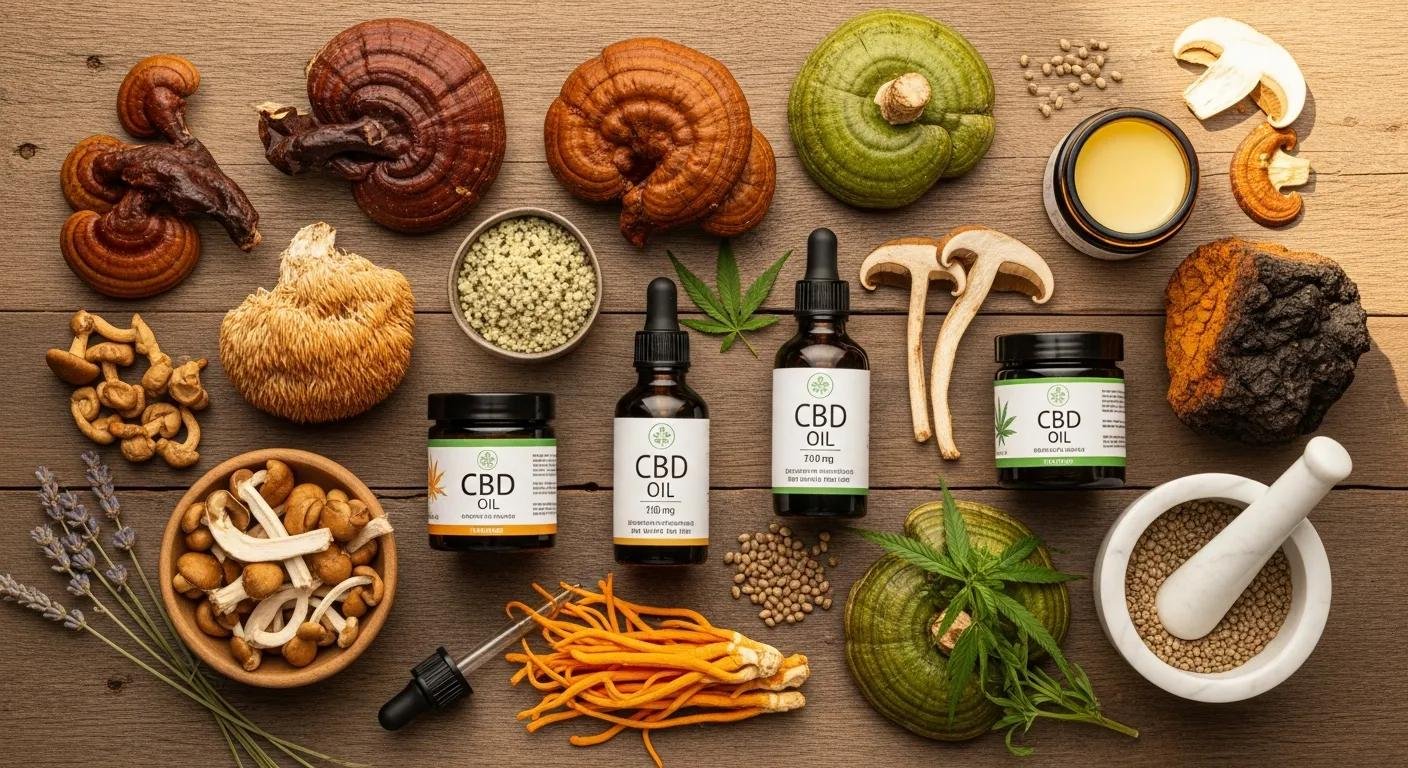
Functional mushrooms like Lion’s Mane and Reishi are often taken with CBD to support overall wellness. Thoughtful dosing can help you get complementary benefits without overdoing it.
How Do Functional Mushrooms Complement CBD for Wellness?
Mushrooms can support cognitive health and immune function. Paired with CBD, they may contribute to a broader wellness routine that feels balanced and supportive.
Want to explore products? Visit CannaWorldMarket , to see curated options that may suit your needs.
What Are Safe Dosage Guidelines for Popular Functional Mushrooms?
Common daily ranges for functional mushrooms look like this:
- Lion’s Mane : 500–3,000 mg per day for cognitive support.
- Reishi : 1,500–5,000 mg per day for immune support.
- Cordyceps : 1,000–3,000 mg per day for energy and stamina.
Keep in mind these ranges can vary by product form and individual needs.
Use Our Personalized CBD Dosage Calculator to Find Your Ideal Dose
Reviews offer practical insights into real-world results and product quality.
What Should You Look for in CBD Product Reviews?
When reading reviews, focus on these points:
- Ingredients and Sourcing : Clear information about where ingredients come from and how products are made.
- User Feedback : Real customer experiences and consistent patterns in reported effects.
- Third-Party Testing : Independent lab results that confirm potency and purity.
These checks make it easier to find brands you can depend on.
For details on our editorial standards, see our affiliate disclosure .
How Do Affiliate Links Help You Find Reliable Wellness Products?
Affiliate links point to vetted products we recommend, but always confirm that a product meets your personal quality and legal standards before buying.
What Are the Safety Tips and Common Side Effects of CBD Dosing?
CBD is generally well tolerated, but it can cause side effects in some people. Knowing what to watch for helps you use it more safely.
How to Recognize and Manage CBD Side Effects
Common side effects include:
- Drowsiness : Some people feel sleepy—adjust timing or dose if this happens.
- Dry Mouth : Drinking water can ease this.
- Changes in Appetite : Keep an eye on eating patterns and adjust use if needed.
Being aware of these effects helps you manage your CBD routine more confidently.
When Should You Consult a Healthcare Professional About CBD?
Reach out to a healthcare professional if you experience severe reactions or plan to use CBD with other medications. Watch for:
- Severe Side Effects : Any unusual or serious symptoms should be evaluated promptly.
- Pre-existing Conditions : If you have health issues, discuss CBD with your provider to avoid interactions or complications.
Following these precautions helps you use CBD responsibly.
Recommended CBD Products to Start With
If you’re new to CBD and looking for a reliable starting point, these products offer clear labeling, consistent potency, and third-party testing — making dosing straightforward.
- NuLeaf Naturals Full Spectrum CBD Oil (900mg) — Simple formulation, clear mg/ml dosing. Ideal for beginners calibrating their dose.
- CBDfx CBD+CBG Wellness Tincture (1000mg) — Daytime formula with clear dosing instructions. Good balance of potency and accessibility.
- CBDfx Mixed Berry CBD Gummies — Pre-dosed gummies make it easy to start low and increase by one gummy at a time.
- CBDfx CBD+CBN Night Capsules — Precise mg per capsule. Best for tracking nighttime dosing for sleep.
Frequently Asked Questions
What is the difference between full-spectrum, broad-spectrum, and CBD isolate products?
Full-spectrum CBD contains multiple cannabinoids from the plant, including THC, which can boost effects through the “entourage” interaction. Broad-spectrum has several cannabinoids but no THC. CBD isolate is pure CBD with no other plant compounds. Your choice depends on desired effects and any legal or personal limits on THC.
How long does it take for CBD to take effect?
Speed of effect depends on how you take it. Inhalation (vaping) can work within minutes, sublingual tinctures often act in 15–30 minutes, and edibles or capsules usually take 30 minutes to 2 hours. Metabolism and weight also influence timing.
Can you overdose on CBD?
CBD is generally considered safe and non-lethal, but very high doses can cause unwanted effects like drowsiness, dry mouth, or upset stomach. Start low and increase slowly. If you experience severe symptoms, seek medical advice.
Is CBD legal everywhere?
CBD laws vary by country and, in the U.S., sometimes by state. Federally, hemp-derived CBD with under 0.3% THC is legal in the U.S., but state rules can differ. Check local regulations before buying or using CBD.
Can CBD interact with other medications?
Yes. CBD can affect medications processed by the liver, especially via cytochrome P450 enzymes, which can change drug levels. If you take prescription medications, consult a healthcare professional before starting CBD.
What is the best time of day to take CBD?
Timing depends on your goals. Some people take CBD in the morning for calm focus, others at night to support sleep. Try different times to see what fits your routine and needs.
Conclusion
Knowing how to calculate your CBD dose makes it easier to get benefits while staying safe. Factor in weight, the condition you’re treating, and your tolerance, and use tools like a dosage calculator to simplify the process. Ready to explore options? Check out our range of CBD products to find ones that may fit your wellness goals. For more evidence-based guides, visit our CBD & Wellness Blog.