Lab Reports & Certificates of Analysis: A Clear Guide to CBD and Functional Mushroom Testing
When you shop for CBD or functional mushroom products, lab reports and certificates of analysis (COAs) are essential. Browse our curated CBD and mushroom product listings to see verified brands that publish their lab results. They reveal what’s actually inside a product and whether it meets safety standards. This guide walks you through why lab reports matter, what COAs show, the value of third‑party testing, how to confirm a report’s authenticity, common contaminants to watch for, and where to find verified reports and reliable products.
Why Lab Reports Matter
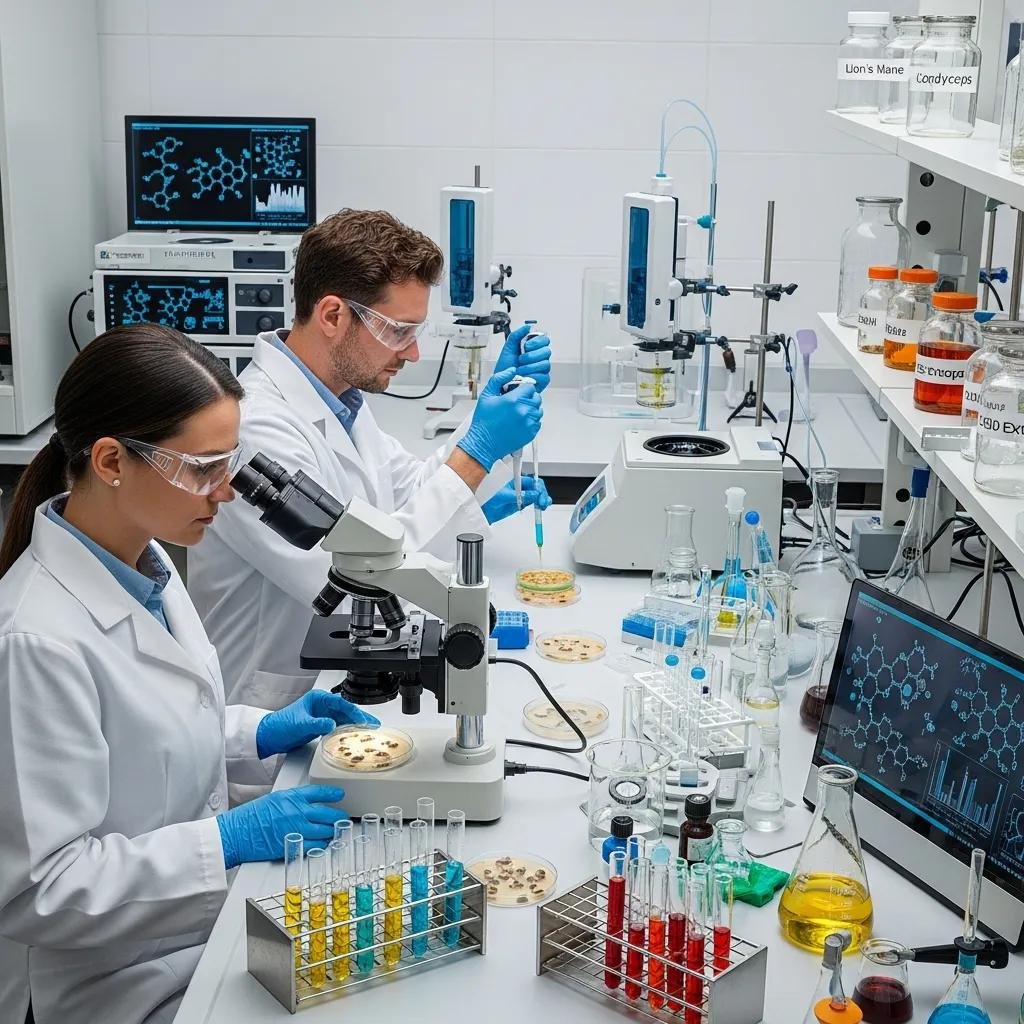
Lab reports verify a product’s quality and safety. They detail cannabinoid or active compound levels and flag any harmful substances. That information helps you buy with confidence — and it motivates brands to maintain higher standards.
What a Certificate of Analysis (COA) Does
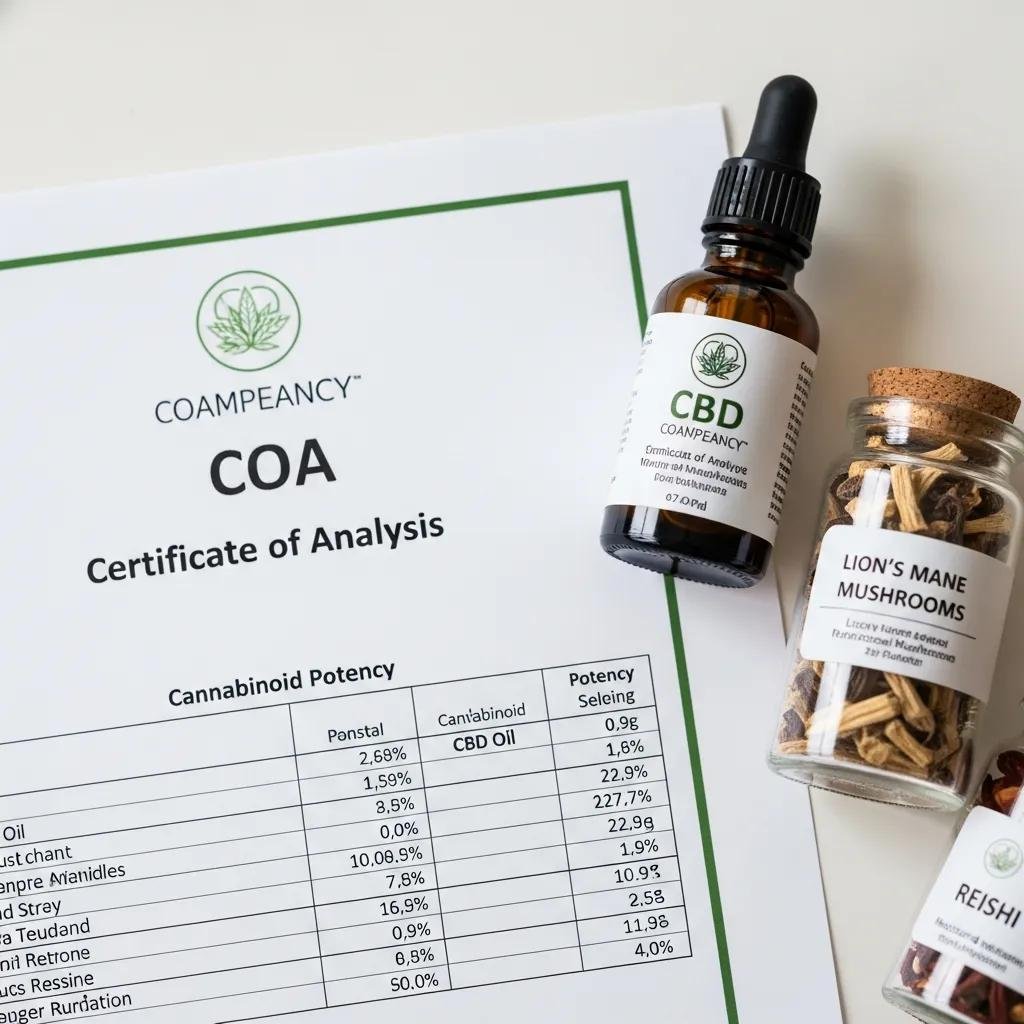
A COA proves a product was tested and lays out the results—what’s in it and whether it passed safety checks. Seeing potency and contaminant data helps confirm you’re getting the product you expect and builds trust in the brand.
How Lab Reports Support Quality and Safety
COAs and lab reports give you the facts you need to make informed choices. Always ask to see test results before buying so you can verify effectiveness and safety. That expectation pushes manufacturers to follow better production practices.
What Is a Certificate of Analysis and Why It Matters
A Certificate of Analysis is a documented summary of lab testing for a specific product or batch. It increases transparency by showing the measured contents and the lab’s findings, helping consumers make safer choices.
Purpose:
The primary purpose of a COA is transparency: it shows a product was independently tested and reports the findings so you can assess safety and potency.
Components:
A typical COA includes a cannabinoid or active‑compound profile, contaminant screening results, and the testing lab’s accreditation or credentials—information you can use to judge overall quality.
Significance:
COAs reduce uncertainty and the chance of buying low‑quality or unsafe products by providing clear, verifiable data about what’s inside the package.
COAs for CBD vs. Functional Mushroom Products
COAs for CBD and functional mushroom products confirm active compound levels and screen for contaminants. They’re a must if you want safe, effective wellness products.
COAs as a Tool for Safety and Transparency
By publishing test results, COAs make product claims verifiable and encourage accountability. Reviewing them before purchase is the best way to confirm a product’s safety profile.
What Role Do Third-Party Lab Tests Play in Verification?
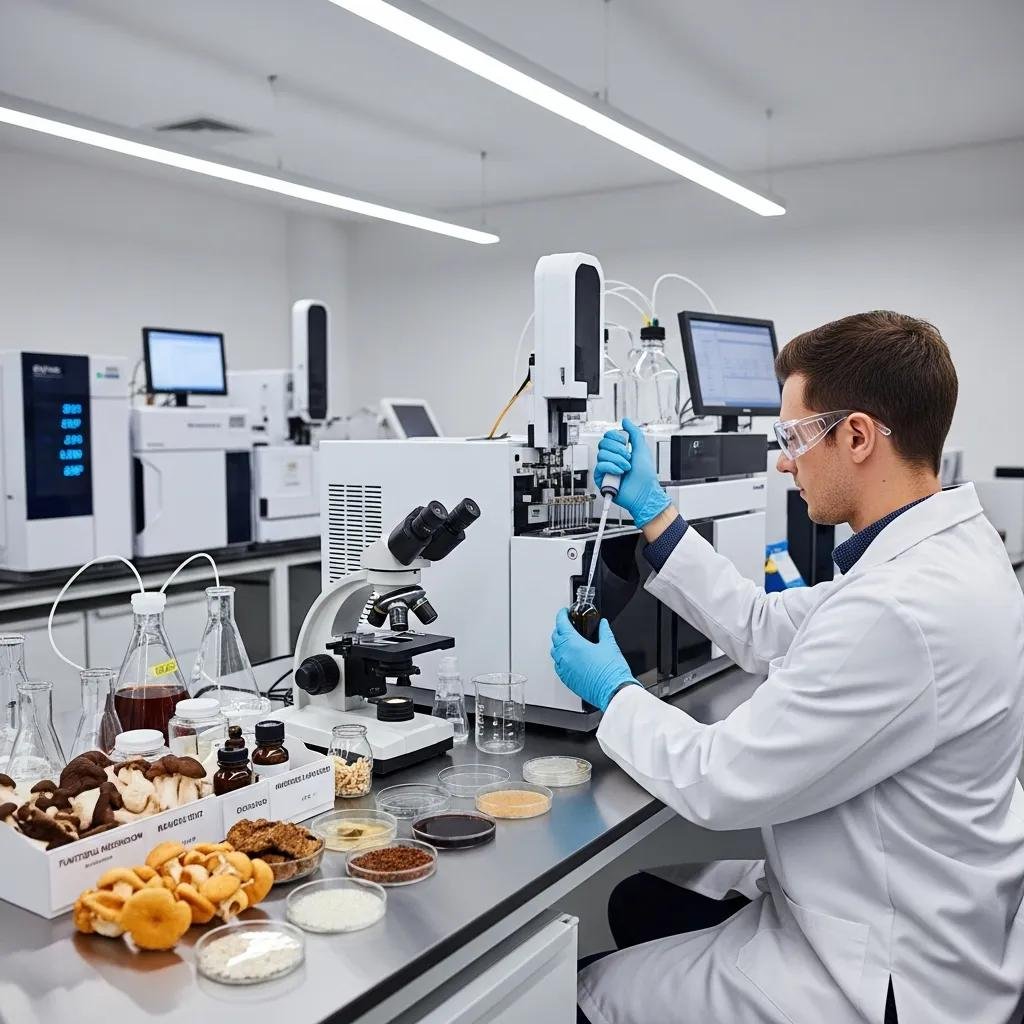
Third‑party labs perform independent testing to validate manufacturer claims. Because these labs operate separately from the brand, their results are less likely to be biased.
Why independent testing matters
Independent testing confirms potency and contaminant results and strengthens consumer trust. A reputable third‑party lab helps ensure reported values are accurate and objective.
Outside verification matters because some products have been misrepresented. Independent COAs reduce that risk and make product comparisons meaningful.
Ask for Third‑Party Lab Tests Before You Buy
Always request a third‑party lab report for CBD and mushroom products so you can see the verified results. Testing protects you from misrepresented claims and lets you choose products with confidence.
How to Verify a Third-Party Lab Report
Confirm the COA is recent and matches the product’s batch number, check the lab’s accreditation (for example, ISO/IEC 17025), and review the test methods used. These steps help you judge whether a report is reliable and applicable to the item you’re buying.
Common Contaminants Tested in CBD and Mushroom Products
Labs typically screen for pesticides, heavy metals (like lead and arsenic), and microbial contaminants to ensure products are safe for consumption.
Pesticides, Heavy Metals, and Microbial Contaminants — What to Know
Pesticides and heavy metals can cause long‑term health problems, while microbial contaminants can cause infections or spoilage. Thorough contaminant testing is essential to safeguard consumers.
Why Regular Testing Matters for Health
Frequent testing reduces health risks and keeps product quality consistent. Ongoing screening helps manufacturers catch problems quickly and maintain consumer safety.
How to Read Functional Mushroom Lab Results
Interpreting mushroom lab results means checking which active compounds were measured (for example, beta‑glucans) and reviewing contaminant data. Together, these results indicate product potency and safety.
Key Components Tested in Mushroom Supplements
Labs usually test for active compound concentrations and contaminants. Knowing both gives you a clearer picture of a product’s likely effectiveness and safety profile.
How Mushroom Reports Compare to CBD COAs
Mushroom reports may use different assays and report different markers than CBD COAs, so pay attention to testing methods and units when comparing products across categories.
Where to Find Verified Lab Reports and Trusted Products
Finding verified lab reports is a key step to buying high‑quality wellness products. Look for transparent brands and platforms that make COAs easy to access.
Curated Marketplaces with Accessible COAs
Many curated marketplaces list products alongside downloadable COAs so you can quickly check potency and safety before you buy. Our CWM product store features brands that publish batch-specific COAs for every product listed.
Tips for Choosing Products with Transparent Testing
Choose products with up‑to‑date COAs that match the batch number, clear labeling, and visible lab accreditation. Those signs point to brands that prioritize safety and honesty.
Canna World Market is a wellness‑focused platform that helps adult consumers discover and evaluate high‑quality CBD and functional mushroom products. We emphasize transparency and education through research‑backed reviews and clear guides about lab reports and COAs—so you can make informed choices that support your wellness goals.
Brands That Set the Standard for Lab Transparency
The following brands publish comprehensive Certificates of Analysis (COAs) from independent third-party labs — making them our top recommendations for buyers who prioritize verified quality.
- NuLeaf Naturals — Every batch tested for potency, pesticides, heavy metals, and residual solvents. COAs linked directly on each product page.
- CBDfx — Publishes full-panel COAs with QR codes on packaging. One of the most transparent brands in the industry.
- JustCBD — Third-party tested with publicly accessible lab results. Good value with verified potency.
Frequently Asked Questions
What types of tests are performed on CBD and functional mushroom products?
Common tests include potency assays (to measure active compounds like cannabinoids or beta‑glucans) and contaminant screens for pesticides, heavy metals, and microbes. Some labs also run terpene profiles or additional assays to characterize flavor and minor compounds. Together, these tests verify both effectiveness and safety.
How can I interpret the results on a COA?
Start with the potency profile to see concentrations of active compounds, then review contaminant sections to confirm safety. Check the lab’s accreditation and compare COA numbers to the product label to verify accuracy. If units or methods aren’t clear, contact the lab or brand for clarification.
What should I do if a product lacks a COA?
If a product has no COA, consider it a red flag and avoid purchasing it. A missing report suggests the product may not have been tested. Reach out to the brand and ask for testing documentation or choose an alternative that provides verified lab results.
Are there specific certifications to look for in testing labs?
Yes. Look for ISO/IEC 17025 accreditation or recognition from reputable accreditation bodies (such as A2LA). These credentials indicate the lab follows accepted standards for testing and calibration, which strengthens confidence in the results.
How do I know if a product is suitable for my health needs?
Review the COA for active compound levels and contaminants, consider your personal health goals and any medications you’re taking, and consult a healthcare professional if you have concerns. Clear labeling and transparent sourcing also help determine suitability.
What are the benefits of using third-party testing for CBD and mushroom products?
Third‑party testing provides unbiased verification of product claims, reducing the risk of misrepresentation. Independent labs follow strict protocols, delivering accurate potency and contaminant results that help consumers make safer choices.
Can lab reports help in understanding the effects of CBD and functional mushrooms?
Yes. Lab reports show concentrations of active compounds—like CBD, THC, or beta‑glucans—which can help predict potential effects. While individual responses vary, COAs give you a clearer basis for selecting products aligned with your goals.
What should I look for in a Certificate of Analysis (COA)?
Look for a detailed potency profile, contaminant screening results, the lab’s accreditation, and a batch number or date that matches the product. Those elements confirm the COA applies to the item you’re considering.
How often should products be tested for safety and quality?
Ideally, each production batch should be tested. Regular batch testing keeps products consistent and helps brands catch contamination or formulation issues before products reach consumers.
Can I trust lab reports from manufacturers directly?
Manufacturer‑provided reports can be useful, but independent third‑party COAs carry more weight. Verify the lab’s accreditation and ensure the COA lists a batch number and testing date that match the product.
What are the potential health risks of untested CBD and mushroom products?
Untested products may contain pesticides, heavy metals, or microbial contaminants that can pose short‑ or long‑term health risks. Choosing products with verified COAs reduces those dangers.
How can I find reputable brands that provide lab reports?
Look for brands that prioritize transparency, list COAs on product pages or provide easy access to them, and sell through curated marketplaces with quality controls. Read independent reviews and ask trusted sources for recommendations.
What is the difference between potency testing and contaminant testing?
Potency testing measures active beneficial compounds (like cannabinoids or mushroom polysaccharides). Contaminant testing screens for harmful substances such as pesticides, heavy metals, and microbial pathogens. Both are required to understand what you’re ingesting.
Are there specific regulations governing lab testing for CBD and mushrooms?
Regulations vary by region. In many places, health authorities or industry standards recommend or require third‑party testing for potency and contaminants. Check local rules to ensure products meet regional safety expectations.
CBD & Mushroom Lab Reports: Understanding COAs & Ensuring Safety
Knowing how to read lab reports and COAs helps you choose safer, more effective CBD and functional mushroom products. These documents promote product safety, quality, and brand accountability. By prioritizing transparency and third‑party testing, you can select products that better match your wellness goals. Explore our curated marketplace to find vetted options with verified lab reports. For more guides on CBD and mushroom wellness, visit our blog.